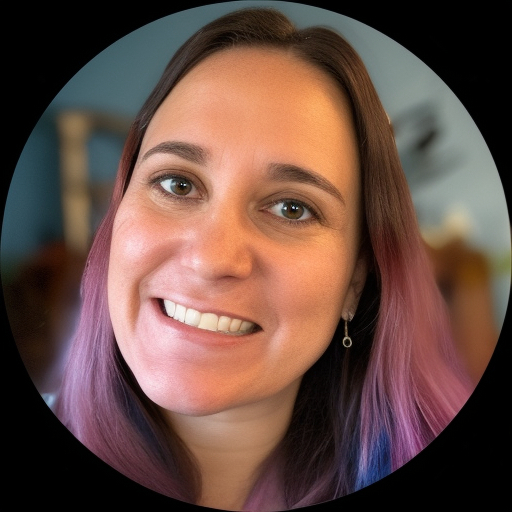
Profile / United States
Bethany Morris, LCSW
North Carolina
LCSW - Relationships and Trauma
See online therapy options- CBT informed
- Motivational interviewing
- Solution-focused work
About Bethany
Bethany Morris is a Licensed Clinical Social Worker (LCSW) in North Carolina with 20 years of experience. She helps people with relationship concerns, trauma and abuse, grief and loss, parenting questions, stress, anxiety, and self-esteem problems. She also works with issues related to intimacy, depression, compassion fatigue, and LGBT concerns.
Her approach is practical and conversational. She uses methods such as Cognitive Behavioral Therapy (CBT), client-centered work, motivational interviewing, psychodynamic ideas, and solution-focused techniques. Sessions focus on noticing unhelpful thoughts and habits and then trying different ways to respond. That might mean testing a new behavior between sessions or practicing a different way of thinking about a situation.
She draws on 20 years of practice to match methods to the problem at hand. For trauma and grief she may include trauma-focused ideas alongside other approaches. For relationship or parenting concerns she uses focused, concrete strategies to change patterns people repeat.
Bethany keeps language plain and goals specific. She talks through what’s getting in the way, lays out practical steps, and checks in about what is and isn’t working. Her work is meant to be straightforward and usable in day-to-day life.
People seeking help will be asked about their immediate needs and longer term goals. From there she and the client build a plan that emphasizes small, testable changes and regular review of progress.
How her approaches translate to online work
She commonly uses Cognitive Behavioral Therapy (CBT) and client-centered methods. CBT focuses on identifying unhelpful thoughts and testing small behavioral changes to change how situations feel and unfold. Client-centered work emphasizes listening closely and shaping sessions around what the person says matters most.She also draws on motivational interviewing when people are unsure about change. That method helps clarify goals and increase motivation by examining the pros and cons of different choices rather than pushing a single plan.
Finding the best approach is a collaborative process. Early sessions are used to figure out goals, try specific techniques, and adjust the plan if something isn’t working. The therapist and client agree on concrete steps and review progress regularly.
Confirm the supported session formats before booking so you know how appointments are conducted. Online options can make it easier to fit sessions into a busy life - for example shorter check-ins during a work break or avoiding travel time. They also let people continue regular weekly work even when schedules are tight. Ask about current session options when arranging the first appointment.
Areas of expertise
Primary focus
Also works with
Additional focus areas
Therapeutic approaches
Experience
20+ years
Listed in
North Carolina
Languages
English
Frequently asked questions
What concerns does she help with most often?
She works with relationship difficulties, trauma and abuse, grief and parenting issues, plus stress, anxiety, depression, and self-esteem problems.
How would she describe her therapeutic style?
Her style is practical and conversational with a focus on noticing thoughts and testing new behaviors between sessions.
What is her clinical background?
She has 20 years of counseling experience and uses a mix of approaches including CBT, client-centered therapy, motivational interviewing, psychodynamic therapy, and solution-focused work.
What credentials and location are listed?
She is an LCSW licensed in North Carolina.
Which languages are supported and can international clients sign up?
Sessions are offered in English and international clients are not currently accepted.
What session formats are available?
Confirm current session options before booking to know which formats are offered for meetings with her.
How are sessions priced?
Cost varies with location and sessions use a subscription that can be canceled at any time.
How does someone begin working with her?
Click the See online therapy options button, complete the short matching questionnaire, and then schedule a first session.
Details come from information the therapist supplied to BetterHelp. A license can be checked with the state board.
Online talk therapy is not emergency care. If you are not safe, use the crisis numbers.