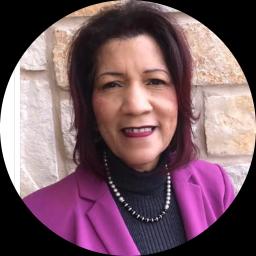
Profile / United States
Dianne Dabney, LPC
Texas
LPC in Texas - Anxiety and Relationships
See online therapy options- Cognitive Behavioral Therapy
- Emotion regulation skills
- Relationship communication
About Dianne
Dianne Dabney is an LPC in Texas with five years of clinical experience. She focuses on helping people who face stress, anxiety, relationship strain, anger, depression, grief, addictions, and challenges like ADHD and parenting. She speaks English and works with adults and older clients according to her background.
Dianne primarily uses Cognitive Behavioral Therapy, which she pairs with several other methods to address thoughts, feelings, and behaviors. She describes therapy as practical and skills-based, teaching ways to notice unhelpful thinking and try different responses. Sessions emphasize real-world strategies people can use between meetings.
Her approach draws on Client-Centered Therapy and Dialectical Behavior Therapy as part of an eclectic toolkit. That lets her work on emotion regulation, communication skills, and problem solving for concerns such as intimacy issues, family conflict, and codependency. She also uses elements from Emotionally-Focused Therapy and the Gottman Method when relationship communication is a focus.
Dianne's training includes a Master’s degree in Clinical Mental Health from the University of Houston-Victoria, and she holds the LPC credential. She reports experience with marriage and family matters and with faith-informed counseling, and she aims to teach practical applications of clinical knowledge.
People who choose her can expect structured sessions that look at patterns, try small behavior changes, and practice new skills. Before booking, clients should confirm current session options and formats.
How her approaches translate to online work
CBT focuses on identifying patterns of thought and behavior and testing small changes. It is often used for anxiety, depression, stress, and habit-related problems by setting concrete goals and using short exercises between sessions.Client-Centered Therapy centers on listening and reflecting so people can clarify their own goals. It helps when someone needs a steady, respectful space to talk through decisions or coping strategies. Dialectical Behavior Therapy teaches skills for emotion regulation, distress tolerance, and clearer communication, which can help with intense emotions and relationship conflict.
Finding the right approach is part of the process. The therapist will work with the person to decide which methods to try based on goals, comfort, and daily life needs. That collaborative decision may shift as practical exercises reveal what helps most.
Confirm the exact session formats before booking since the biography does not list specific options. Online sessions can make it easier to fit meetings into a workday, reduce travel time, and allow shorter check-ins when schedules are tight. Talk with the therapist about session length and how tools like worksheets and between-session practice will be used to support progress.
Areas of expertise
Primary focus
Also works with
Additional focus areas
Therapeutic approaches
Experience
5+ years
Listed in
Texas
Languages
English
Frequently asked questions
What concerns does she commonly address?
Dianne works with stress, anxiety, depression, anger, addictions, grief, relationship and intimacy issues, parenting challenges, ADHD, and related concerns.
How does she use Cognitive Behavioral Therapy?
She uses CBT to help people notice unhelpful thoughts and try different responses, with practical exercises and homework between sessions.
What is her clinical background?
She has five years of experience and a Master’s degree in Clinical Mental Health from the University of Houston-Victoria.
What credential does she hold and where is she located?
She is an LPC and practices in Texas.
Which languages are supported in sessions?
Sessions are offered in English.
Can international clients work with her?
She does not accept international clients at this time.
How are session costs handled?
Cost varies with location and sessions use a subscription that can be canceled at any time.
What steps are needed to begin working together?
Select the See online therapy options button, complete a short matching questionnaire, and schedule a first session.
Details come from information the therapist supplied to BetterHelp. A license can be checked with the state board.
Online talk therapy is not emergency care. If you are not safe, use the crisis numbers.