Profile / United States
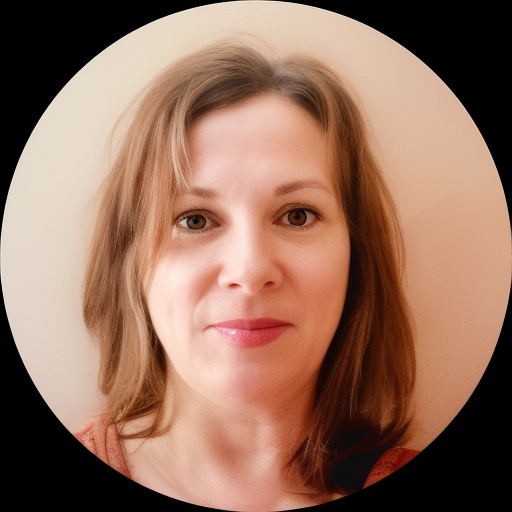
Linda Flynn, LCSW
Kentucky
LCSW - Addiction and relational trauma
See online therapy optionsAbout Linda
Linda Flynn is an LCSW (Licensed Clinical Social Worker) practicing in Kentucky with 15 years of clinical experience. She focuses on recovery from narcissistic abuse, addiction, and depression, and helps people rebuild trust in themselves and regain emotional stability.
She works with people who have experienced manipulation, gaslighting, and long patterns of control. Sessions often center on naming what happened, learning how those experiences affect choices now, and building straightforward coping skills. Linda pays close attention to how relationships shape safety and boundaries.
In addiction work she looks past symptoms to the emotional wounds underneath. That means developing practical routines, relapse prevention planning, and healthier ways to respond to triggers. The goal is clearer decision making, not quick fixes.
Her approach mixes Cognitive Behavioral Therapy with attachment-focused ideas and client-centered listening. That combination is used to identify unhelpful thoughts and to practice different responses in real life. She also draws on dialectical behavior and existential perspectives when they fit the person's concerns.
Sessions are collaborative and structured. Linda helps people set clear goals, test small changes, and track what works. She asks practical questions and focuses on skills people can use between meetings.
People who choose her often want direct, organized work on trauma, relationships, mood, or addiction. She accepts international clients and conducts work in English.
How CBT and attachment work in online sessions
Linda uses Cognitive Behavioral Therapy to help people notice automatic thoughts and test new ways of responding. CBT focuses on clear steps - identify a thought, try a new behavior, and review what changed - which many people find useful for anxiety, depression, and addictive patterns.She also uses Attachment-Based Therapy to look at how early relationship patterns show up now. That approach helps people name connection needs and practice different ways of asking for support or setting boundaries. Together, these methods help connect thoughts, feelings, and behavior in a practical way.
Finding the right approach is part of the work. Linda will collaborate with each person to decide which methods to try first based on goals and what feels most useful. She checks progress and adjusts the plan so sessions stay focused on real-life changes.
The biography does not list specific session formats, so confirm the available online options before booking. Many people value online sessions because they can fit meetings around work or caregiving, avoid travel time, and pick a quieter moment at home. Different formats can make it easier to keep regular appointments and practice skills between sessions.
Areas of expertise
Primary focus
Also works with
Additional focus areas
Therapeutic approaches
Experience
15+ years
Listed in
Kentucky
Languages
English
Frequently asked questions
What issues does she commonly address?
She focuses on recovery from narcissistic abuse, addiction, depression, and related relationship and trauma problems.
How does she use CBT in sessions?
She uses Cognitive Behavioral Therapy to spot unhelpful thoughts and test practical behavior changes between sessions.
What is her clinical background?
She has 15 years of clinical experience working with complex relational trauma and addiction recovery.
What credential does she hold and where is she based?
She is an LCSW (Licensed Clinical Social Worker) licensed in Kentucky and practices from that location.
Which languages and international options are supported?
Sessions are offered in English and she accepts international clients.
What session formats are offered?
The original biography does not list specific session formats; confirm current session options before booking.
How are sessions priced?
Cost varies with location and sessions use a subscription that can be canceled at any time.
How do I begin working with her?
Select the See online therapy options button, complete a short matching questionnaire, and schedule a first session.
Details come from information the therapist supplied to BetterHelp. A license can be checked with the state board.
Online talk therapy is not emergency care. If you are not safe, use the crisis numbers.