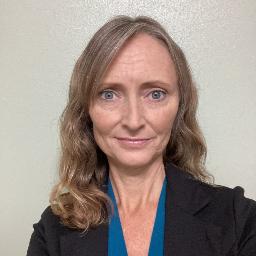
Profile / United States
Maggie Johnson, LPCC
Minnesota
LPCC counselor - anxiety and mood issues
See online therapy options- Cognitive Behavioral Therapy
- Mindfulness practice
- Motivational interviewing
About Maggie
Maggie Johnson is an LPCC (Licensed Professional Clinical Counselor) with nine years of clinical experience based in Minnesota. She focuses on common struggles such as anxiety, depression, bipolar disorder, stress, anger, substance use, trauma, relationship and family concerns, and problems with sleep, eating, and self-esteem.
Maggie uses a practical, problem-solving style in sessions. She helps people notice unhelpful thoughts and habits, then try different ways of responding. Sessions include straightforward skills practice like cognitive restructuring and mindfulness techniques to reduce intense reactions and improve day-to-day functioning.
Her approach blends Cognitive Behavioral Therapy with client-centered methods and narrative work. That means she attends to how people tell their stories, and also helps change thought patterns that keep problems going. Motivational interviewing is used when someone is weighing change, such as with substance use or other habits.
Maggie often helps people manage life transitions, career stress, caregiving strain, grief, and problems tied to family of origin. She also works with intimacy and communication concerns, control issues, and feelings of emptiness or abandonment. Treatment focuses on concrete steps clients can take between sessions.
Clients should expect clear, goal-oriented conversations and practical homework to try between meetings. Maggie invites questions about methods and progress so sessions remain focused on what the person wants to accomplish.
How Maggie applies approaches in online sessions
Maggie uses Cognitive Behavioral Therapy to help people identify and test unhelpful thoughts and patterns. CBT involves noticing automatic thoughts, trying simple experiments, and practicing new responses to reduce distress and improve functioning.She also uses Client-Centered Therapy, which focuses on listening closely and following the person’s concerns. That approach supports clear goal setting and helps clients decide what changes matter most to them. Mindfulness Therapy is used to build attention to the present moment and to reduce reactivity, which can help with anxiety, anger, and sleep problems.
Choosing the right approach is part of the work. Maggie will talk with each person about goals, preferences, and what has helped or not helped in the past. Together they decide which methods to try and adjust them over time in a collaborative way.
The biography did not specify session formats. Confirm the available online session options before booking. Online sessions can make it easier to fit meetings into a workday, reduce travel time, allow shorter check-ins when needed, and remove the need to be on camera for every visit. Licensed professionals can use these options to keep work practical and focused on the client’s daily life.
Areas of expertise
Primary focus
Also works with
Additional focus areas
Therapeutic approaches
Experience
9+ years
Listed in
Minnesota
Languages
English
Frequently asked questions
What kinds of problems does she focus on?
She works with anxiety, depression, bipolar disorder, stress, anger, substance use, trauma, relationship and family concerns, sleep and eating issues, and related areas.
How does she typically work with clients?
Maggie uses a practical, structured style. She helps people notice unhelpful thoughts and habits, then practices alternative responses in session and as homework.
How much experience does she have?
She has nine years of clinical experience working with mood, anxiety, trauma, and substance-related concerns.
What are her credentials and where is she located?
She holds an LPCC (Licensed Professional Clinical Counselor) credential and practices in Minnesota.
In which language are sessions offered?
Sessions are offered in English.
What session formats are available?
The original biography does not list specific session formats. Confirm current session options before booking.
How does billing and cost work?
Cost varies with location and sessions use a subscription that can be canceled at any time.
How do I begin working with her?
Select the See online therapy options button, complete a short matching questionnaire, and schedule a first session.
Details come from information the therapist supplied to BetterHelp. A license can be checked with the state board.
Online talk therapy is not emergency care. If you are not safe, use the crisis numbers.