Profile / United Kingdom
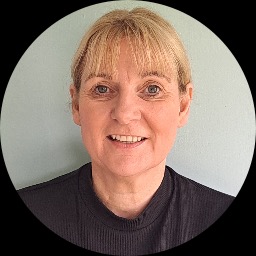
Pauline Banks, NCPS
United Kingdom
NCPS counsellor - relationships and trauma
See online therapy options- Cognitive Behavioral Therapy
- Attachment-based work
- Client-centred approach
About Pauline
Pauline Banks is an NCPS counsellor practising in the United Kingdom with ten years of professional experience. She works with people facing relationship tensions, family conflict, trauma and abuse, and parenting challenges. Pauline uses practical talking and problem-solving to help people manage stress, anxiety, grief and life changes.
Her work emphasises clear, structured approaches. She draws on Cognitive Behavioral Therapy to identify unhelpful thoughts and habits, and uses client-centred methods to follow what matters most to each person. She also offers attachment-based ideas when relationships and intimacy are central concerns.
Pauline helps people break down problems into small, doable steps. Sessions focus on noticing patterns, testing different responses, and building skills for day-to-day life. She includes tools drawn from dialectical behaviour therapy and solution-focused techniques when regulating emotions or moving toward concrete goals matters.
She has worked across a wide range of issues including addiction, bipolar and depressive problems, eating and anger concerns, ADHD, and compassion fatigue. Additional areas addressed include abandonment and attachment difficulties, adoption and foster care questions, chronic illness and ageing-related worries, and communication or commitment issues.
Pauline asks straightforward questions and listens for what the person wants to change. She invites people to try small experiments between sessions and to track what works. To begin, readers are asked to use the site matching flow to choose session options and book a first appointment.
How Pauline blends practical approaches for online work
Pauline draws on Cognitive Behavioral Therapy to help people spot unhelpful thoughts and try different behaviours. CBT offers clear tasks and short experiments to test what changes reduce anxiety, low mood or unhelpful reactions. She also uses attachment-based ideas to look at patterns in important relationships. This helps when intimacy, trust or past losses affect how someone relates now. Her client-centred stance means she listens for what the person values and works from those priorities rather than imposing a fixed plan. Choosing an approach is a shared decision. Pauline will discuss goals and preferences, and suggest methods that fit the person’s needs. She treats the selection of techniques as part of the work rather than a final label. Confirm the exact session formats available before booking as they are not specified here. Online sessions can make it easier to fit therapy into busy days, reduce travel time and allow shorter check-ins when needed. Ask about session length and scheduling when you complete the matching questionnaire so appointments match daily routines.Areas of expertise
Primary focus
Also works with
Additional focus areas
Therapeutic approaches
Experience
10+ years
Listed in
United Kingdom
Languages
English
Frequently asked questions
What concerns does she focus on?
Pauline works with relationship issues, family conflict, trauma and abuse, parenting and related difficulties such as stress, anxiety, grief and addictions.
How does she use Cognitive Behavioral Therapy in sessions?
She uses CBT to help people notice unhelpful thoughts and habits and to test new ways of responding in everyday situations.
What is her experience?
She has ten years of professional experience supporting people through a wide range of emotional and life challenges.
What are her credentials and where does she practise?
She holds NCPS and practises in the United Kingdom.
Which languages are supported?
Sessions are offered in English.
Can people outside the UK work with her?
She does not accept international clients at this time.
How much do sessions cost?
Cost varies with location; sessions use a subscription that can be cancelled at any time.
How do I start a first session?
Use the See online therapy options button, complete the short matching questionnaire, and schedule a first session.
Details come from information the counsellor supplied to BetterHelp. A registration can be checked with the body that issued it.
Online talk therapy is not emergency care. If you are not safe, use the crisis numbers.