Profile / United States
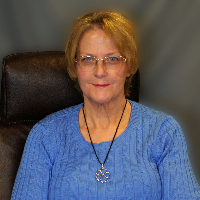
Carol Gross, LCSW
Utah
LCSW - anxiety and mood disorders
See online therapy options- Cognitive Behavioral Therapy
- Acceptance and Commitment Therapy
- Mindfulness and DBT skills
About Carol
Carol Gross is an LCSW (Licensed Clinical Social Worker) based in Utah with 25 years of clinical experience. She works with people facing anxiety, depression, mood disorders, addiction, trauma, anger, ADHD, grief, sleep and eating issues, parenting stress, relationship concerns, and other life changes.
She started professionally as a computer systems analyst and later moved into social work and behavior analysis. That background shaped a practical approach to problems. She favors clear tools and step-by-step practices rather than long, abstract explanations.
Carol uses Cognitive Behavioral Therapy ideas alongside Acceptance and Commitment Therapy, client-centered techniques, DBT skills, and mindfulness practices. She describes ACT as a way to notice discomfort and choose actions that match personal values. Sessions focus on noticing thoughts and habits, trying different responses, and building useful daily routines.
In practice she helps people identify what their distress is trying to tell them. She breaks things down into small, manageable steps and teaches concrete skills for coping with anxiety, mood swings, cravings, and grief. She often uses the ACT Matrix as a practical tool to sort priorities and actions.
Her style reflects long experience working with complex and overlapping concerns, including chronic pain, caregiver stress, codependency, attachment issues, and problems that come from blended families or life transitions. She invites people to clarify values, practice specific skills, and track changes over time.
How Carol uses structured therapies in online sessions
Carol integrates Cognitive Behavioral Therapy and Acceptance and Commitment Therapy into practical online work. CBT focuses on identifying thoughts and behaviors that keep problems going and then testing small changes to see what helps. ACT emphasizes noticing painful sensations and choosing actions that align with values while building psychological flexibility.She also employs client-centered listening to clarify what matters to the person and DBT-informed skills or mindfulness exercises to reduce emotional overwhelm. Deciding which mix to use is collaborative - the therapist and client review issues, try techniques, and adjust based on what helps in daily life.
The clinician’s approaches are used to create brief, doable practice steps that fit a client's routine. Because the original biography does not list specific online session formats, confirm current session options before booking. Online work can make it easier to fit therapy into a busy week, shorten check-ins when needed, and allow sessions without travel. The emphasis is on practical skills, regular practice, and adjusting methods to what actually supports the client's goals.
Areas of expertise
Primary focus
Also works with
Additional focus areas
Therapeutic approaches
Experience
25+ years
Listed in
Utah
Languages
English
Frequently asked questions
What issues does she commonly address?
She works with stress, anxiety, depression, mood disorders, addiction, trauma, anger, ADHD, grief, relationship and parenting concerns, and related issues listed in her specialties.
How does she use Cognitive Behavioral Therapy?
She applies CBT principles to help people notice unhelpful thoughts and habits, then test alternative responses through structured exercises and behavioral experiments.
What other methods does she draw on?
She also uses Acceptance and Commitment Therapy (ACT), client-centered techniques, Dialectical Behavior Therapy (DBT) skills, and mindfulness practices depending on the person's needs.
What is her background and experience?
She has 25 years of experience and began her career as a computer systems analyst before training and practicing in social work and behavior analysis.
Where is she licensed and where does she work?
She holds the credential UT LCSW and practices in Utah.
Which languages are sessions offered in?
Sessions are offered in English.
How are sessions paid for and what does it cost?
Cost varies with location; sessions use a subscription that can be canceled at any time.
How do I begin working with her?
Use the See online therapy options button, complete a short matching questionnaire, and schedule a first session.
Details come from information the therapist supplied to BetterHelp. A license can be checked with the state board.
Online talk therapy is not emergency care. If you are not safe, use the crisis numbers.