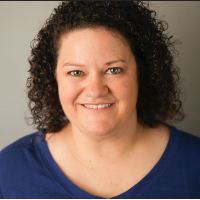
Profile / United States
Katherine Treadway, LCSW
North Carolina
LCSW - Stress and Anxiety support
See online therapy options- CBT for behaviors
- ACT for values work
- Client-centered listening
About Katherine
Katherine Treadway is an LCSW - Licensed Clinical Social Worker in North Carolina with four years of practice. She helps people manage stress, anxiety, family issues, trauma and abuse, parenting concerns, grief, and relationship problems. Katherine also supports work on self-esteem, anger, addiction, ADHD, mood challenges, and career transitions.
Her sessions use clear, practical steps. She listens to what is happening now, and what someone wants to change. Conversations focus on identifying unhelpful thoughts and habits and testing new ways of responding. Sessions aim to leave people with simple tools they can try between meetings.
Katherine draws on Cognitive Behavioral Therapy along with Acceptance and Commitment Therapy and Client-Centered techniques. She may also use elements from Dialectical Behavior Therapy and Emotionally-Focused Therapy when they fit a person’s goals. The emphasis is on skills people can use in daily life, such as grounding, thought records, and values-based action.
Her background as an LCSW informs work with trauma, first responder issues, and blended family or adoption-related concerns. Katherine has experience with people experiencing workplace stress and transitions. She frames therapy as problem-solving over time, with steady review of what helps and what needs adjusting.
Sessions are offered in English and international clients are accepted. Fees vary with location and use a subscription that can be canceled at any time. To start, a short matching questionnaire and scheduling step are used to arrange the first meeting.
How therapeutic approaches guide online work
CBT, or Cognitive Behavioral Therapy, focuses on spotting unhelpful thoughts and testing new behaviors. It uses short exercises and concrete worksheets to change how someone thinks and acts in everyday situations, which can help with anxiety, depression, and stress-related problems.Acceptance and Commitment Therapy, or ACT, helps people clarify what matters to them and take small, value-driven steps. It combines mindfulness with practical actions to reduce avoidance and increase meaningful activity when coping with grief, trauma, or life changes.
Client-Centered Therapy centers the conversation on the person’s experience and goals. The therapist offers open listening and reflects what the client says, supporting clearer decisions about next steps and problem solving.
Deciding which approach to use is part of the work. The therapist will review goals, preferences, and what has helped in the past to choose or combine methods. That choice is revisited regularly so sessions stay practical and focused on measurable progress.
The profile does not list the specific online session formats offered, so confirm current options before booking. Online work can make it easier to fit therapy into a busy life - for example, shorter check-ins around a work break, sessions from a quieter room, or fewer interruptions by avoiding travel time. Licensed professionals adapt tools like worksheets, grounding exercises, and behavioral experiments to an online setting so the work stays hands-on and concrete.
Areas of expertise
Primary focus
Also works with
Additional focus areas
Therapeutic approaches
Experience
4+ years
Listed in
North Carolina
Languages
English
Frequently asked questions
What concerns does she address most often?
She commonly helps with stress, anxiety, trauma and family-related issues, plus parenting, grief, and relationship difficulties.
How does she use Cognitive Behavioral Therapy?
CBT is used to notice unhelpful thoughts and test different responses. Sessions include practical exercises and thought records to try between meetings.
What is her professional background?
She holds an LCSW and has four years of clinical experience working with clients on mood, trauma, workplace stress, and family concerns.
Where is she licensed to practice?
She is a Licensed Clinical Social Worker (LCSW) in North Carolina.
In which languages can sessions be held?
Sessions are offered in English and international clients are accepted.
What session formats are offered?
The original profile does not list specific session formats; please confirm current session options before booking.
How are fees handled?
Fees vary with location and sessions use a subscription that can be canceled at any time.
How do I begin working with her?
Select the See online therapy options button, complete a short matching questionnaire, and schedule a first session.
Details come from information the therapist supplied to BetterHelp. A license can be checked with the state board.
Online talk therapy is not emergency care. If you are not safe, use the crisis numbers.