Profile / United States
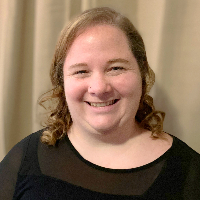
Kimberly Lincoln, LMHC, LCMHC
North Carolina
Licensed counselor - anxiety and trauma
See online therapy options- Cognitive Behavioral Therapy
- DBT skills focus
- Family and relationship work
About Kimberly
Kimberly Lincoln is a Licensed Mental Health Counselor (LMHC) and Licensed Clinical Mental Health Counselor (LCMHC) with 11 years of experience. She practices in North Carolina and works with concerns such as stress, anxiety, relationship and family difficulties, trauma and abuse, depression, addictions, grief, and parenting challenges.
She uses practical, goal-focused approaches to help people manage day-to-day problems and longer-term issues. Sessions often include noticing unhelpful thoughts and testing new responses. Cognitive Behavioral Therapy (CBT) is one of the methods she uses alongside client-centered techniques and skills-based therapies.
Lincoln has substantial experience with child welfare settings and has worked with people affected by adoption and foster care. She has supported women who survived childhood sexual trauma, members of the LGBTQ community, and people dealing with codependency and addictions. That background informs how she helps clients stabilize crises and plan next steps.
Her approach balances longer-term goals with attention to immediate stressors that interfere with progress. In practice this means checking what needs urgent attention, then using structured strategies to reduce symptoms and improve coping. She also draws on motivational interviewing when readiness for change is a focus.
Sessions emphasize concrete skills - thought monitoring, behavioral experiments, emotion regulation strategies, and communication practice. Clients are encouraged to try new ways of responding between sessions and to track what helps. The aim is clearer decision-making and better day-to-day functioning.
How Kimberly brings CBT and skills-based methods online
Kimberly commonly uses Cognitive Behavioral Therapy to help people notice thought patterns, test new behaviors, and reduce symptoms of anxiety and depression. CBT sessions focus on simple, repeatable exercises such as thought records and behavioral experiments that can be done between meetings.She also uses Dialectical Behavior Therapy elements when emotion regulation or interpersonal skills are needed. DBT skills practice includes breathing and grounding techniques, distress tolerance, and communication strategies to reduce conflict and impulsive reactions. Client-centered therapy shapes the pace and focus, with the therapist responding to what the individual needs in the moment.
Choosing the right approach is part of the work together. Kimberly will review goals, preferences, and current challenges and then recommend methods to try. That decision is collaborative and may shift as needs change.
Specific session formats are not listed in the original biography, so please confirm current online options before booking. Online sessions can make it easier to fit meetings into a weekday, reduce commute time, or choose a shorter check-in when schedules are tight. They can also let people use audio-only sessions when bandwidth is limited or opt for a camera session when visual cues are helpful.
Areas of expertise
Primary focus
Also works with
Additional focus areas
Therapeutic approaches
Experience
11+ years
Listed in
Florida, North Carolina
Languages
English
Frequently asked questions
What concerns does she commonly address?
She works with stress, anxiety, depression, trauma and abuse, relationship and family concerns, addictions, grief, parenting issues, and related topics listed in her specialties.
How does she use Cognitive Behavioral Therapy?
CBT is used to identify unhelpful thoughts and patterns and to test new behaviors. Sessions include practical exercises and homework to practice skills between meetings.
What experience does she bring to sessions?
She has 11 years of clinical experience, including work in child welfare and with people affected by adoption and foster care, trauma survivors, and those with codependency and addictions.
What are her credentials and where is she based?
She holds LMHC and LCMHC credentials and practices in North Carolina with licensure noted as FL LMHC and NC LCMHC.
Can sessions be done in languages other than English?
Sessions are offered in English.
Does she work with international clients?
International clients are not currently accepted.
How is cost handled for sessions?
Cost varies by location and sessions use a subscription model that can be canceled at any time.
How do I begin working with her?
Select the See online therapy options button, complete a short matching questionnaire, and schedule a first session.
Details come from information the therapist supplied to BetterHelp. A license can be checked with the state board.
Online talk therapy is not emergency care. If you are not safe, use the crisis numbers.