Profile / United States
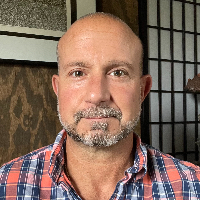
Timothy Welch, LPCC
Ohio
Ohio LPCC focused on addiction and mood
See online therapy options- Cognitive Behavioral Therapy
- Addiction recovery support
- Anger and stress management
About Timothy
Timothy Welch is an Ohio Licensed Professional Clinical Counselor - LPCC with 22 years of clinical experience. He works with people facing anxiety, depression, addiction, grief, trauma, ADHD, relationship and parenting concerns. He also helps with life changes, self-esteem, sleeping and eating issues, and career or work stress.
He describes therapy as a collaborative process. Sessions focus on clear goals and practical steps. He combines structured approaches with open conversation to find what helps most in daily life.
His background includes long work in addiction treatment, crisis intervention, hospital settings, and community mental health. He has run groups for anger management and recovery, and worked with youth programs and hospice settings. He has a bachelor’s degree in psychology from John Carroll University and a master’s degree in counseling and human development from Walsh University.
Timothy has experience using several clinical approaches, including cognitive behavioral methods, client-centered methods, dialectical behavior strategies, and emotionally-focused ideas. He also draws on existential perspectives when questions about meaning or values come up.
He offers life coaching and sober coaching outside of clinical counseling, including tools and accountability through a coaching platform and an app. For people in Ohio he can accept insurance for sessions; he also works with international clients. To begin, prospective clients follow an online matching process and schedule a first session.
How his approaches translate to online work
Timothy often uses Cognitive Behavioral Therapy to help people recognize patterns of thought and behavior and practice small changes. CBT is useful for anxiety, depression, sleep or eating concerns, and management of ADHD symptoms through concrete strategies.He also uses Client-Centered Therapy, which centers the conversation on the person’s concerns and preferences and supports clearer personal goals. Dialectical Behavior Therapy techniques are used when emotion regulation or intense reactions are a problem; these offer skills for distress tolerance and managing strong feelings.
Choosing the right approach is part of the work together. He will discuss goals, test methods, and adjust plans based on how a client responds. This is a collaborative process where feedback guides which methods are emphasized.
Session formats are not listed in the biography, so confirm current online options before booking. Many people find online sessions easier to fit into a workday, allow shorter check-ins when needed, or remove travel time. Talk with him about logistics and what will best fit your routine before scheduling.
Areas of expertise
Also works with
Additional focus areas
Therapeutic approaches
Experience
22+ years
Listed in
Ohio
Languages
English
Frequently asked questions
What kinds of problems does he help with most often?
He works with stress, anxiety, addiction, depression, grief, trauma, ADHD, relationship and parenting concerns, plus related areas like self-esteem and sleep problems.
How would he describe his therapeutic approach?
He uses practical, goal-focused methods alongside open conversation. Cognitive behavioral tools are used to notice unhelpful thoughts and try new responses.
How much clinical experience does he have?
He has 22 years of experience across private practice, community mental health, crisis work, rehabilitation programs, and group services.
What credential does he hold and where is he based?
He is an Ohio Licensed Professional Clinical Counselor - LPCC and offers services from Ohio.
Which languages are sessions offered in?
Sessions are offered in English.
Can international clients work with him?
He accepts international clients; confirm any cross-border details before scheduling.
How are sessions billed and what about cost?
Cost varies with location; sessions operate through a subscription model that can be canceled at any time.
What are the first steps to begin working together?
Use the See online therapy options button, complete a short matching questionnaire, and schedule a first session.
Details come from information the therapist supplied to BetterHelp. A license can be checked with the state board.
Online talk therapy is not emergency care. If you are not safe, use the crisis numbers.