Profile / United States
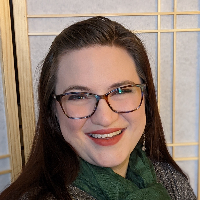
Rebecca Preston, LMHC
New York
LMHC in New York - Addiction and Mood concerns
See online therapy options- Substance use focus
- CBT and mindfulness
- Attachment work
About Rebecca
Rebecca Preston is a Licensed Mental Health Counselor (LMHC) in New York with eight years of clinical experience. She focuses on substance use and the emotional, relational, and physical problems that often come with addiction. She also supports people facing anxiety, depression, bipolar symptoms, trauma, and anger concerns.
Rebecca has worked with people who have histories of complex trauma and childhood attachment difficulties. She describes many of these challenges as tied to earlier relationships and long-standing patterns. Her background includes treating mood disorders and several personality presentations that affect day-to-day functioning.
Her stated style mixes client-centered and mindfulness work with practical strategies. She uses straightforward exercises to notice difficult thoughts and to try different responses. Sessions are described as direct but relaxed, with room for humor when it helps move things forward.
Rebecca lists Cognitive Behavioral Therapy among the approaches she uses alongside attachment-focused and solution-focused methods. That combination is used to look at thinking patterns, relationship patterns, and short-term goals that can change how daily life feels.
People who contact her can expect focus on concrete tools for coping, clearer communication habits, and ways to manage cravings or mood symptoms. She emphasizes steady progress rather than quick fixes and works with each person to set reasonable next steps.
How Rebecca integrates approaches for online work
Rebecca uses Cognitive Behavioral Therapy to help people identify unhelpful thoughts and try different responses. CBT focuses on concrete steps - noticing the thought, testing it, and practicing new behaviors - which can help with anxiety, mood shifts, and patterns that maintain substance use.She also uses Attachment-Based Therapy to look at relationship patterns that started in early life. That work helps when people see the same push-pull dynamics in friendships, partners, or care relationships and want clearer ways of relating. In addition, client-centered therapy offers space for the person to lead the conversation while the therapist follows and reflects back what seems most important.
Finding the right mix of these approaches is part of the early work. The therapist will talk with each person about goals, preferences, and what has or hasn’t helped before, and then suggest practical steps to try together. This is a collaborative process where methods can be adjusted over time.
The biography does not specify which online session formats are offered. Confirm current session options before booking. In general, remote sessions can make it easier to fit therapy into busy schedules, allow shorter check-ins when needed, and remove travel time so people can meet during a work break or between appointments.
Areas of expertise
Primary focus
Also works with
Additional focus areas
Therapeutic approaches
Experience
8+ years
Listed in
New York
Languages
English
Frequently asked questions
What kinds of problems does she address most often?
She works primarily with people facing substance use and the related emotional, relational, and physical issues. She also helps with anxiety, depression, bipolar symptoms, trauma, anger, sleep, and self-esteem concerns.
How would you describe her therapeutic style?
Her approach blends client-centered listening with mindfulness and practical exercises. She aims for direct, relaxed sessions where skills and short-term goals are emphasized.
How much clinical experience does she have?
She has eight years of clinical experience working in New York settings with people who have addiction and trauma histories as well as mood-related concerns.
What are her credentials and where is she based?
She is a Licensed Mental Health Counselor (LMHC) licensed in New York. Her practice is based in New York.
Which languages are sessions offered in?
Sessions are offered in English.
Does she work with clients outside the United States?
International clients are not currently accepted; sessions are provided to people located in the United States.
How are session formats handled?
The original biography does not list specific session formats. Confirm current session options before booking to know whether phone or video sessions are available.
How are costs and scheduling managed?
Cost varies with location and sessions use a subscription model that can be canceled at any time. To begin, select the See online therapy options button, complete a short matching questionnaire, and schedule a first session.
Details come from information the therapist supplied to BetterHelp. A license can be checked with the state board.
Online talk therapy is not emergency care. If you are not safe, use the crisis numbers.