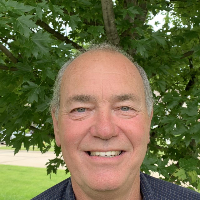
Profile / United States
Steven Buck, LCSW
Missouri
LCSW - Relationships and Mood Issues
See online therapy options- CBT methods
- Attachment focus
- Communication skills
About Steven
Steven Buck is a Licensed Clinical Social Worker (LCSW) in Missouri with 30 years of clinical experience. He helps people facing relationship strain, parenting stress, anger, depression, anxiety, ADHD, grief, addiction concerns, and problems with intimacy and self-esteem.
He has worked in a variety of settings including a psychiatric hospital for nearly 20 years, private practice, and community mental health agencies. That background means he has seen both short-term crisis needs and longer-term therapy work.
Steven uses Cognitive Behavioral Therapy (CBT) alongside attachment and emotionally-focused ideas. He pays attention to patterns of thinking and behavior, and also to how family and relationship structures affect what people do. Sessions often look at boundaries, communication, and practical steps to change unhelpful habits.
He describes his style as non-judgmental and focused on noticing things from the client's point of view. He aims to show that he is listening and thinking about a person's feelings while offering concrete options and solutions to try.
Steven emphasizes strengths rather than weaknesses. He treats mental health as part of overall health and encourages people for taking the step to seek help. His work draws on many years of clinical experience and on lessons he says he has learned from the people he has worked with.
How his approaches translate to online work
Steven commonly uses Cognitive Behavioral Therapy to identify unhelpful thoughts and test different responses. CBT sessions focus on practical steps, short exercises, and tracking small changes to mood and behavior. Attachment-Based Therapy is used to look at relationship patterns and how early bonds affect current ways of relating; this helps when trust, closeness, or repeated conflict are the main concerns.Finding the right approach is part of the work. He will collaborate with each person to choose methods that fit their goals, needs, and preferences rather than using a single fixed method. That conversation usually happens in early sessions and can change as progress is made.
The biography does not list specific online session formats, so confirm the available session options before booking. In general, online sessions can make it easier to fit therapy into a busy week, allow for shorter check-ins when helpful, and remove travel time. They also make it possible to meet with a licensed professional from another location when international work is appropriate.
Areas of expertise
Primary focus
Also works with
Additional focus areas
Therapeutic approaches
Experience
30+ years
Listed in
Missouri
Languages
English
Frequently asked questions
What kinds of problems does he address?
He helps with relationship difficulties, parenting stress, anger, depression, anxiety, ADHD, grief, addiction concerns, intimacy and self-esteem issues among other areas.
How does he typically work with clients?
He uses Cognitive Behavioral Therapy along with attachment and emotionally-focused ideas, focusing on thoughts, behaviors, boundaries and communication in sessions.
How much clinical experience does he have?
He has about 30 years of experience in mental health work, including nearly 20 years at a psychiatric hospital and time in private practice and agencies.
What are his credentials and where is he located?
He is a Licensed Clinical Social Worker (LCSW) licensed in the state of Missouri.
Which languages are supported for sessions?
Sessions are offered in English and he accepts international clients.
What formats are offered for sessions?
The original biography does not specify session formats; confirm current session options before booking.
How are fees handled?
Cost varies with location and sessions use a subscription that can be canceled at any time.
How do I begin working with him?
Select the See online therapy options button, complete a short matching questionnaire, and schedule a first session.
Details come from information the therapist supplied to BetterHelp. A license can be checked with the state board.
Online talk therapy is not emergency care. If you are not safe, use the crisis numbers.