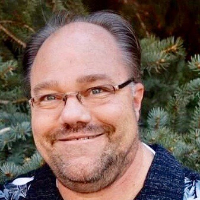
Profile / United States
Brandon Woffinden, LCMHC
Utah
LCMHC counselor - Anxiety and stress
See online therapy options- Cognitive Behavioral Therapy
- DBT skills
- Mindfulness tools
About Brandon
Brandon Woffinden is an LCMHC - Licensed Clinical Mental Health Counselor in Utah with ten years of experience. He helps people with anxiety, depression, PTSD, grief, addiction, and stress. He also supports people facing career strain, relationship and intimacy concerns, parenting stress, ADHD, and issues related to coping with life changes.
He trained at the University of Phoenix and earned a master’s degree in Clinical Mental Health Counseling in 2012. Before counseling, he spent ten years in law enforcement, and that background informs his approach to resilience and practical problem solving.
Brandon uses Cognitive Behavioral Therapy and Dialectical Behavior Therapy as primary tools. He also draws on client-centered principles and practices such as mindfulness, meditation, deep breathing, and emotional freedom techniques. Sessions focus on skills people can try between meetings and on noticing unhelpful thoughts and habits.
In sessions he works on concrete steps: identifying thoughts that get in the way, testing different responses, and building simple routines that reduce stress. He talks through coping strategies for overwhelming feelings and helps people practice new behaviors until they feel more natural.
He offers shorter session increments as part of his scheduling structure. If someone wants to meet, they complete a brief matching questionnaire and can schedule a first appointment. The counselor emphasizes practical, structured work rather than abstract discussion.
How his approaches translate to online sessions
Brandon commonly uses Cognitive Behavioral Therapy and Dialectical Behavior Therapy in his work. CBT focuses on identifying and testing thoughts and behaviors that cause distress, which helps with anxiety, depression, and coping skills. DBT emphasizes emotional regulation, distress tolerance, and interpersonal effectiveness, which can be useful for intense emotions and relationship strain.He also incorporates client-centered elements such as listening and reflecting to help clients decide which methods fit their situation. Figuring out the right approach is a collaborative process; he and the client review goals, try different techniques, and adjust based on what works in practice.
The biography does not specify which session formats are used online, so please confirm current session options before booking. Online work can make it easier to fit sessions into a busy week, allow shorter check-ins when time is limited, and let people use mindfulness or breathing exercises in their everyday environment. Licensed professionals often adapt exercises so they can be practiced between remote meetings and integrated into daily routines.
Areas of expertise
Also works with
Additional focus areas
Therapeutic approaches
Experience
10+ years
Listed in
Utah
Languages
English
Frequently asked questions
What concerns does he commonly address?
He works with stress, anxiety, depression, PTSD, grief, addictions, ADHD, and related life changes and relationship issues.
How does he use Cognitive Behavioral Therapy?
He uses CBT to help people notice unhelpful thoughts and test alternative ways of thinking. The work is practical and often includes exercises to try between sessions.
What is his background and experience?
He earned a master’s degree in Clinical Mental Health Counseling in 2012 and has ten years of professional experience, including a decade in law enforcement before counseling practice.
What credential does he hold and where is he based?
He holds the LCMHC credential and is based in Utah.
Which languages are supported in sessions?
Sessions are offered in English.
Are international clients accepted?
He does not accept international clients at this time.
How are sessions scheduled and what about cost?
Session cost varies with location and sessions use a subscription that can be canceled at any time.
What are the first steps to begin working with him?
Select the See online therapy options button, complete a short matching questionnaire, and schedule a first session.
Details come from information the therapist supplied to BetterHelp. A license can be checked with the state board.
Online talk therapy is not emergency care. If you are not safe, use the crisis numbers.