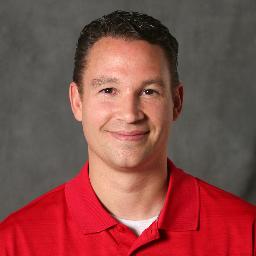
Profile / United States
Dr. Matthew Reiser, UT Psychologist 5184406-2501
Utah
Dr. Matthew Reiser - Psychologist focused on CBT and ACT
See online therapy options- Stress and anxiety
- Relationship issues
- CBT and ACT methods
About Matthew
Dr. Matthew Reiser is a UT Psychologist with 19 years of experience practicing in Utah. He works with people facing stress, anxiety, depression, relationship and intimacy concerns, trauma and abuse, substance and behavioral addictions, and a range of life changes. He also supports issues around self-esteem, grief, sleeping and eating problems, parenting and family stress, and ADHD.
He uses straightforward, skills-based methods in sessions. Cognitive Behavioral Therapy (CBT) is a core part of his approach, along with Acceptance and Commitment Therapy (ACT) and client-centered methods. Sessions tend to focus on noticing unhelpful thoughts and habits, trying different responses, and practicing concrete skills between meetings.
Dr. Reiser brings experience from university counseling centers and private practice. Over the years he has worked with people on career stress, sport psychology concerns, biofeedback, and grief. He also lists additional focus areas such as attachment issues, adoption and foster care concerns, autism and Asperger Syndrome, chronic pain and illness, and dissociation.
He holds a Ph.D. in Counseling Psychology and earlier degrees in psychology and family studies. The credential shown is UT Psychologist 5184406-2501. He has nearly two decades of clinical work that inform how he structures sessions and homework.
In the room he aims for clear, interactive sessions where goals are practical and measurable. Clients can expect to leave with specific strategies to test between appointments, and the therapist will adjust methods based on how those strategies work in real life.
How his therapeutic approaches translate to online work
CBT is practical and skills focused. Online sessions using CBT typically involve identifying unhelpful thoughts, planning behavioral experiments, and assigning short exercises to practice between meetings. This approach often helps with anxiety, depression, sleep and eating concerns, and stress-related problems.Acceptance and Commitment Therapy (ACT) focuses on noticing internal experiences without fighting them and choosing actions that reflect personal values. Online ACT work can support coping with chronic pain, life changes, grief, and situations that trigger avoidance or rumination.
Client-centered methods prioritize listening and collaboration. In online meetings this looks like the therapist asking clarifying questions, reflecting the client’s experience, and adjusting session pace based on feedback.
Finding the right approach is part of therapy. The therapist will work with each person to decide which combination of CBT, ACT, or client-centered techniques fits their goals and preferences. That choice can change as progress and needs evolve.
Session formats are not specified in the biography, so confirm current options before booking. Online work can make it easier to fit sessions into a weekday break, reduce travel time, and allow focused check-ins without needing extra setup. Therapists generally adapt exercises and homework for remote meetings so progress continues between sessions.
Areas of expertise
Primary focus
Also works with
Additional focus areas
Therapeutic approaches
Experience
19+ years
Listed in
Utah
Languages
English
Frequently asked questions
What kinds of problems does he help with most often?
He commonly helps with anxiety, depression, stress, relationship and intimacy issues, trauma, addictions, grief, and parenting or family concerns.
How does he use Cognitive Behavioral Therapy?
He uses CBT to identify unhelpful thoughts and behaviors, test different responses, and build practical skills that reduce symptoms over time.
What is his clinical background?
He has 19 years of experience, has worked in several university counseling centers and in private practice, and lists experience with biofeedback and sport psychology.
What credential does he hold and where is he located?
He is listed as UT Psychologist 5184406-2501 and practices in Utah.
Which languages are supported for sessions?
Sessions are offered in English.
Can people outside the United States work with him?
International clients are not currently accepted.
How are sessions paid for and what does it cost?
Cost varies with location; sessions use a subscription that can be canceled at any time.
What do I do to begin working with him?
Select the See online therapy options button, complete a short matching questionnaire, and schedule a first session.
Details come from information the therapist supplied to BetterHelp. A license can be checked with the state board.
Online talk therapy is not emergency care. If you are not safe, use the crisis numbers.