Cheryl Marrow
LPC, LMFTDistrict of Columbia · 25 yrs exp
Licensed counselor and marriage therapist - relationships and addiction
Addictions · Relationship · Family · Intimacy-related issues · +4 more
Read profileTherapist listings are provided by BetterHelp. We will earn a commission at no additional cost to you if you use our links to purchase.
Welcome to our directory of online therapists serving the District of Columbia. All therapists listed here are licensed to practice in the District of Columbia - explore profiles to review approaches, specialties, languages, and professional credentials.
District of Columbia · 25 yrs exp
Licensed counselor and marriage therapist - relationships and addiction
Addictions · Relationship · Family · Intimacy-related issues · +4 more
Read profile
District of Columbia · 20 yrs exp
LPC in DC - Addictions and CBT focus
Addictions
Read profile
District of Columbia · 15 yrs exp
LICSW - Relationships and Trauma
Relationship · Family · Trauma and abuse · Self esteem · +12 more
Read profile
District of Columbia · 19 yrs exp
LPC - Anxiety and Trauma support
Addictions · LGBT · Relationship · Trauma and abuse · +11 more
Read profile
District of Columbia · 29 yrs exp
Licensed social worker - anxiety and trauma
Stress, Anxiety · Relationship · Trauma and abuse · Self esteem · +11 more
Read profile
District of Columbia · 35 yrs exp
DC Psychologist - Relationship and Mood concerns
Relationship · Family · Intimacy-related issues · Self esteem · +12 more
Read profile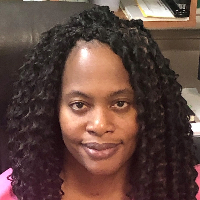
District of Columbia · 22 yrs exp
LPC counselor - relationships and mood
Relationship · Family · Parenting · Anger · +5 more
Read profile
District of Columbia · 30 yrs exp
LICSW in DC - Stress and Relationship Support
Stress, Anxiety · Relationship · Self esteem · Depression · +12 more
Read profile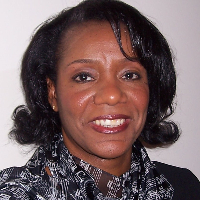
District of Columbia · 10 yrs exp
Licensed Professional Counselor - relationships and mood
Stress, Anxiety · Relationship · Grief · Intimacy-related issues · +9 more
Read profile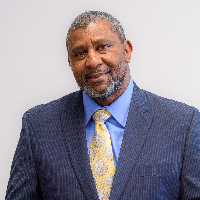
District of Columbia · 25 yrs exp
Licensed counselor - anxiety and relationship concerns
Stress, Anxiety · Addictions · Family · Trauma and abuse · +13 more
Read profile
District of Columbia · 15 yrs exp
LCSW-C clinician - anxiety and trauma support
Stress, Anxiety · Relationship · Family · Trauma and abuse · +9 more
Read profile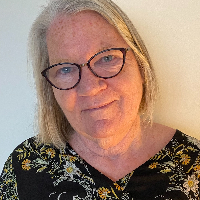
District of Columbia · 30 yrs exp
LICSW in DC - Trauma and Mood concerns
Family · Parenting · Career · Coping with life changes · +13 more
Read profile
District of Columbia · 14 yrs exp
LPC - Relationship and trauma focused
Stress, Anxiety · Relationship · Trauma and abuse · Anger · +10 more
Read profile
District of Columbia · 20 yrs exp
LICSW LCSW - Addictions and Trauma
Addictions · LGBT · Trauma and abuse · Depression · +12 more
Read profile
District of Columbia · 14 yrs exp
District of Columbia LICSW - Stress and Trauma
Stress, Anxiety · Trauma and abuse · Grief · Career · +8 more
Read profile
District of Columbia · 25 yrs exp
LICSW - Stress and Trauma focused
Stress, Anxiety · Relationship · Trauma and abuse · Grief · +9 more
Read profile
District of Columbia · 4 yrs exp
LICSW - Grief and Anxiety support
Grief · Stress, Anxiety · Relationship · Family · +8 more
Read profile
District of Columbia · 26 yrs exp
Licensed counselor - anxiety and trauma
Stress, Anxiety · Trauma and abuse · Self esteem · Depression · +7 more
Read profile
District of Columbia · 10 yrs exp
LICSW - Stress and Anxiety support
Stress, Anxiety · Relationship · Depression · Coping with life changes · +5 more
Read profile
District of Columbia · 24 yrs exp
LICSW - Anxiety and Relationship concerns
Stress, Anxiety · Relationship · Family · Trauma and abuse · +15 more
Read profile
District of Columbia · 10 yrs exp
LICSW - Stress and Anxiety focus
Stress, Anxiety · Family · Trauma and abuse · Grief · +12 more
Read profile
District of Columbia · 4 yrs exp
LCSW in DC - Stress and anxiety focus
Stress, Anxiety · Family · Grief · Self esteem · +11 more
Read profile
District of Columbia · 5 yrs exp
LICSW - Stress and Anxiety
Stress, Anxiety · Trauma and abuse · Grief · Self esteem · +1 more
Read profile
District of Columbia · 6 yrs exp
Licensed clinical social worker - anxiety and relationships
Stress, Anxiety · Depression · Coping with life changes · LGBT · +13 more
Read profileIf you live in the District of Columbia or maintain residence here, you have access to a growing range of online therapy options. Online therapy in the District is provided by licensed professionals who use video and audio calls, messaging, and other virtual tools to offer counseling and psychotherapy across many presenting concerns. Because licensure and practice requirements are set by the District's regulatory authorities, therapists who provide remote care to District residents must meet the state's standards for their profession. You can expect to find therapists who list diverse clinical approaches among their offerings, which means you can search for clinicians describing cognitive behavioral approaches, psychodynamic influences, trauma-informed care, or other modalities as part of their practice descriptions. Online therapy is also offered by clinicians with a variety of credentials, such as social work, counseling, psychology, and psychiatry, so you can explore the professional background that best fits your needs.
The regulatory environment in the District of Columbia includes rules around interstate practice and telehealth, and those rules affect how therapists deliver remote services. Some clinicians work exclusively online while others blend in-person and virtual appointments; the important detail for you is that each clinician listed here is licensed to serve District residents. When you read a profile, you will often see a summary of specialties, client populations served, languages spoken, and therapeutic approaches that the clinician lists among their skills. That information can help you narrow your search before reaching out to learn more about how a given therapist works with clients like you.
Online therapy can make it easier to fit mental health care into a busy life in the District. If you commute through the city, work long hours, care for family members, or have mobility challenges, remote sessions remove the need to travel across traffic or navigate parking. You can meet with a therapist from your home, a lunch break at work, or another comfortable environment that you choose. For people who are juggling school, professional responsibilities, or caregiving, this flexibility can reduce barriers to consistent care.
Another practical benefit is the ability to find clinicians who speak your language or who list experience with specific cultural perspectives. The District is diverse, and you may feel better served by a clinician who shares your cultural background or who lists experience working with similar communities. You can also look for therapists who list particular approaches that resonate with you - for example, some clinicians will list cognitive behavioral methods, acceptance and commitment influences, or therapists who list EMDR among their approaches for trauma-related work. Online formats may also broaden the geographic area of clinicians you can consider, letting you prioritize fit over proximity. Finally, remote sessions allow you to test the therapeutic relationship and style before considering any in-person work, which can help you feel more confident in the choice you make.
Therapists who offer online sessions in the District of Columbia commonly work with a wide range of concerns. Many clinicians list anxiety and mood-related issues among their specialties, and they describe strategies and approaches they use to support symptom management, coping, and emotional regulation. Others list relationship and family issues, including couples communication and parenting support, where the focus is on improving interactions and problem-solving patterns. Trauma-related concerns are another frequent area of support, with some therapists listing trauma-informed approaches or trauma-focused interventions among their approaches.
Beyond these areas, clinicians often work with life transitions, work-related stress, identity and sexuality questions, grief and loss, and issues related to chronic health conditions. If you have a specific concern, you can search profiles for clinicians who list that issue as a focus area; some profiles will also identify age ranges or populations served, such as adolescents, adults, LGBTQ+ clients, or veterans. Because therapists describe their own approach and specialties, you are encouraged to read how they frame their work to find a therapist whose description aligns with the kind of support you want.
Verifying licensure is an important step when you are considering a therapist. In the District of Columbia, licensure information and disciplinary history are available through the licensing authority that regulates the clinician's profession. You can look up the clinician by name, license number, or professional title to confirm that their license is active and issued by the District. A license lookup will typically show the type of license, the issuing date, any public actions or sanctions, and sometimes the educational institution associated with the credential.
When you review a profile, note the credential listed - for example, licensed clinical social worker, licensed professional counselor, psychologist, or psychiatrist - and use that information to find the corresponding licensing authority's online portal. If you do not find the clinician in the District's records, consider contacting the licensing authority directly to clarify whether the clinician is licensed elsewhere and permitted to practice with District residents. Verifying licensure helps you confirm that the clinician meets the professional standards required by the District and allows you to review any public information about their practice history.
Beginning therapy online involves several straightforward steps that help you feel prepared and informed. Start by identifying the qualities that matter most to you - such as professional background, therapeutic approaches listed by the clinician, language, or experience with particular issues. Use those priorities to narrow your search in the directory and read a few profiles to get a sense of how each clinician describes their work.
After you identify clinicians whose profiles resonate, reach out using the contact details provided in their listings. In your initial message, you can briefly describe what you are looking for and ask about session logistics - for example, the platforms they use for virtual sessions, typical session length, fee structure, and whether they accept your method of payment or health coverage. It is appropriate to ask about the clinician's approach to informed consent, session cancellation policies, and any other practical details that affect how you will work together. Because licensing rules vary, you can also ask which state license applies to the clinician's practice with District residents. Taking these steps before your first session helps you set expectations and choose a clinician who fits both your clinical and practical needs.
Choosing a therapist is as much about personal fit as it is about professional credentials. Pay attention to how a clinician describes their approach and the populations they list as their focus. You may prefer a therapist who lists specific modalities among their approaches, or you may place more weight on descriptions of therapeutic style, such as whether they emphasize problem-solving, emotional processing, or skills-based work. Language and cultural background can also matter; if you want to work with someone who understands particular cultural or community contexts, look for those details in profiles.
When you speak with a clinician for the first time, notice whether their communication style helps you feel heard and understood. It can take a few sessions to gauge whether the therapeutic relationship feels right, and that is normal. If you need to change course, you can continue searching until you find a clinician whose approach and presence align with your needs. Finally, consider practical matters like session length, cost, and technology preferences so that therapy fits into your life sustainably. By combining attention to credentials, approach, and personal comfort, you can find an online therapist in the District of Columbia who helps you move forward with the concerns that brought you to seek support.
Addictions
4641 therapists
ADHD
4096 therapists
Anger
5854 therapists
Bipolar
3899 therapists
Depression
8028 therapists
Grief
6566 therapists
Guilt and Shame
5491 therapists
Isolation / Loneliness
5015 therapists
Mood Disorders
4157 therapists
OCD
2015 therapists
Panic Disorder and Panic Attacks
3550 therapists
Phobias
1439 therapists
Post-Traumatic Stress
4475 therapists
Self Esteem
7944 therapists
Sleeping Disorders
2287 therapists
Social Anxiety and Phobia
3922 therapists
Stress & Anxiety
8652 therapists
Trauma and Abuse
6823 therapists
Attachment Issues
3730 therapists
Career
5073 therapists
Caregiver Issues and Stress
4037 therapists
Communication Problems
6152 therapists
Coping with Life Changes
7511 therapists
Divorce
4069 therapists
Family
6489 therapists
Family of Origin Issues
2797 therapists
Life Purpose
5655 therapists
Parenting
5446 therapists
Relationship
7361 therapists
Self-Love
5654 therapists
Workplace Issues
4230 therapists