
Marsha Oxamendi
LCSWFlorida · 14 yrs exp
Marsha Oxamendi LCSW - Anxiety and Stress
Stress, Anxiety · Grief · Anger · Self esteem · +12 more
Read profileTherapist listings are provided by BetterHelp. We will earn a commission at no additional cost to you if you use our links to purchase.
This page lists therapists who focus on sleeping disorders, offering approaches for insomnia, circadian rhythm concerns, and sleep-related anxiety. Browse the listings below to explore practitioner profiles and treatment approaches.
Florida · 14 yrs exp
Marsha Oxamendi LCSW - Anxiety and Stress
Stress, Anxiety · Grief · Anger · Self esteem · +12 more
Read profile
South Carolina · 16 yrs exp
Licensed MFT - Relationships and Anxiety
Stress, Anxiety · Relationship · Family · Parenting · +14 more
Read profile
Florida · 20 yrs exp
LMHC - Addiction and stress care
Stress, Anxiety · Addictions · Relationship · Self esteem · +16 more
Read profile
Minnesota · 25 yrs exp
Licensed Professional Counselor - Stress and Anxiety
Stress, Anxiety · Relationship · Grief · Self esteem · +9 more
Read profile
New York · 24 yrs exp
LCSW in New York - anxiety and depression
Stress, Anxiety · Relationship · Anger · Self esteem · +12 more
Read profile
Florida · 39 yrs exp
Stress, Anxiety · Relationship · Family · Parenting · +14 more
Read profile
Kansas · 12 yrs exp
LCMFT in Kansas - Relationships and Anxiety
Stress, Anxiety · Relationship · Intimacy-related issues · Depression · +13 more
Read profile
North Carolina · 51 yrs exp
Licensed counselor - relationships and mood
Relationship · Intimacy-related issues · Parenting · Self esteem · +12 more
Read profile
New York · 11 yrs exp
Licensed Mental Health Counselor - Stress and Anxiety
Stress, Anxiety · Anger · Bipolar · Depression · +11 more
Read profile
Florida · 10 yrs exp
LMHC LPC - Anxiety and Addictions
Stress, Anxiety · Addictions · Anger · Depression · +12 more
Read profile
Florida · 25 yrs exp
LMHC - Anxiety and Depression focus
Stress, Anxiety · Family · Grief · Self esteem · +12 more
Read profile
New York · 15 yrs exp
LCPC LMHC - Stress and Anxiety
Stress, Anxiety · Trauma and abuse · Grief · Self esteem · +16 more
Read profile
Florida · 26 yrs exp
LMHC - Depression and Anxiety Focus
Relationship · Grief · Self esteem · Depression · +13 more
Read profile
North Carolina · 10 yrs exp
LCSW therapist - anxiety and relationships
Stress, Anxiety · Relationship · Family · Bipolar · +16 more
Read profile
Texas · 17 yrs exp
Licensed Professional Counselor - Stress and Anxiety
Stress, Anxiety · Family · Depression · Coping with life changes · +12 more
Read profile
Oregon · 14 yrs exp
Licensed Professional Counselor - Anxiety and Depression
Grief · Self esteem · Career · Depression · +8 more
Read profile
Texas · 12 yrs exp
Texas LPC - Mood and trauma support
Stress, Anxiety · Self esteem · Career · Depression · +9 more
Read profile
Florida · 14 yrs exp
Florida LMHC - Anxiety and Relationships
Stress, Anxiety · Trauma and abuse · Bipolar · Depression · +16 more
Read profile
Texas · 13 yrs exp
Licensed counselor and family therapist - relationships and addiction
Stress, Anxiety · LGBT · Relationship · Trauma and abuse · +12 more
Read profile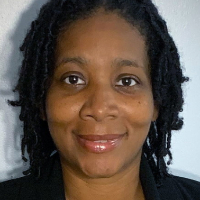
Florida · 13 yrs exp
Licensed counselor - anxiety and mood
Stress, Anxiety · Anger · Depression · Coping with life changes · +13 more
Read profile
Florida · 30 yrs exp
LMHC - CBT and practical skills
Stress, Anxiety · Trauma and abuse · Bipolar · Depression · +16 more
Read profile
Louisiana · 16 yrs exp
LCSW - Anxiety and Relationship Concerns
Stress, Anxiety · Relationship · Trauma and abuse · Bipolar · +16 more
Read profile
Michigan · 21 yrs exp
LMSW - Stress and relationship concerns
Stress, Anxiety · Relationship · Family · Bipolar · +14 more
Read profile
Louisiana · 10 yrs exp
Licensed counselor - anxiety and life changes
Stress, Anxiety · Grief · Anger · Depression · +8 more
Read profile
Texas · 24 yrs exp
LPC in Texas - anxiety and life transitions
Stress, Anxiety · LGBT · Trauma and abuse · Career · +11 more
Read profile
Michigan · 26 yrs exp
LMSW - Anxiety and Depression
Stress, Anxiety · Trauma and abuse · Self esteem · Depression · +16 more
Read profile
Texas · 6 yrs exp
Licensed Professional Counselor - Anxiety and Addictions
Stress, Anxiety · Addictions · Relationship · Trauma and abuse · +12 more
Read profile
Florida · 22 yrs exp
LCSW - Anxiety and Depression support
Stress, Anxiety · Self esteem · Depression · Coping with life changes · +5 more
Read profile
New Jersey · 8 yrs exp
LCSW - Anxiety and Mood Concerns
Stress, Anxiety · Relationship · Trauma and abuse · Bipolar · +14 more
Read profile
Alabama · 15 yrs exp
Alabama LPC - Stress and mood concerns
Stress, Anxiety · Addictions · Relationship · Family · +12 more
Read profile
Texas · 20 yrs exp
LICSW LCSW - Stress and Addictions
Stress, Anxiety · Addictions · Family · Grief · +15 more
Read profile
Ohio · 20 yrs exp
Ohio LISW - Anxiety and Stress focus
Stress, Anxiety · LGBT · Family · Grief · +16 more
Read profile
Oregon · 15 yrs exp
Licensed Professional Counselor - Anxiety and Addictions
Stress, Anxiety · Addictions · Relationship · Trauma and abuse · +12 more
Read profile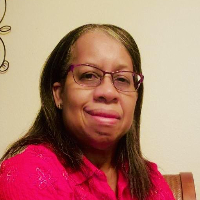
Florida · 28 yrs exp
LCSW in Florida - Mood and behavior concerns
Addictions · Trauma and abuse · Parenting · Bipolar · +15 more
Read profile
Florida · 20 yrs exp
LCSW in Florida - Anxiety and Trauma
Stress, Anxiety · Addictions · Trauma and abuse · Grief · +14 more
Read profile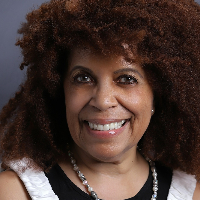
Tennessee · 15 yrs exp
LCSW - Stress and relationships
Stress, Anxiety · Relationship · Family · Self esteem · +9 more
Read profile
South Carolina · 5 yrs exp
Licensed counselor - relationships and mood
Relationship · Family · Trauma and abuse · Intimacy-related issues · +15 more
Read profile
Michigan · 10 yrs exp
LPC in Michigan - Anxiety and Relationships
Stress, Anxiety · Family · Trauma and abuse · Grief · +12 more
Read profile
New York · 15 yrs exp
LCSW - Anxiety and Addictions
Stress, Anxiety · Addictions · Relationship · Self esteem · +10 more
Read profile
Florida · 28 yrs exp
LCSW - Anxiety and Addiction support
Stress, Anxiety · Addictions · Trauma and abuse · Self esteem · +13 more
Read profile
Texas · 8 yrs exp
LPC in Texas - Anxiety and Addictions
Stress, Anxiety · Addictions · Anger · Self esteem · +7 more
Read profile
Texas · 20 yrs exp
LPC counselor - anxiety and relationships
Stress, Anxiety · Relationship · Family · Trauma and abuse · +13 more
Read profile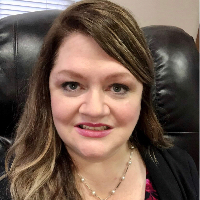
Georgia · 27 yrs exp
Licensed counselor - anxiety and mood concerns
Stress, Anxiety · Trauma and abuse · Bipolar · Depression · +16 more
Read profile
Massachusetts · 20 yrs exp
LICSW - Stress and life changes
Stress, Anxiety · Self esteem · Career · Depression · +11 more
Read profile
North Carolina · 20 yrs exp
LPC, LCMHC - Anxiety and Addiction support
Stress, Anxiety · Parenting · Self esteem · Depression · +15 more
Read profile
South Carolina · 8 yrs exp
LPC - Anxiety and Trauma
Stress, Anxiety · Trauma and abuse · Self esteem · Depression · +16 more
Read profile
Florida · 40 yrs exp
LCSW - Addiction and Grief
Addictions · Relationship · Grief · Depression · +13 more
Read profile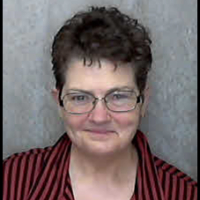
Texas · 35 yrs exp
LCSW-C in Texas - Anxiety and Relationship concerns
Stress, Anxiety · Relationship · Family · Trauma and abuse · +14 more
Read profile
Illinois · 5 yrs exp
IL Psychologist - Anxiety and Stress
Stress, Anxiety · Relationship · Trauma and abuse · Depression · +12 more
Read profile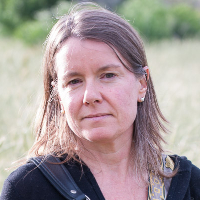
Colorado · 20 yrs exp
LCSW in Colorado - stress and trauma care
Stress, Anxiety · Trauma and abuse · Grief · Depression · +15 more
Read profile
Pennsylvania · 15 yrs exp
Licensed Professional Counselor - Anxiety and Grief
Stress, Anxiety · Relationship · Self esteem · Depression · +14 more
Read profile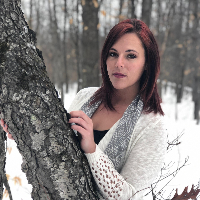
Michigan · 8 yrs exp
LMSW counselor - anxiety and mood concerns
Stress, Anxiety · Self esteem · Career · Depression · +16 more
Read profile
Alabama · 12 yrs exp
LPC in Alabama - Anxiety and life changes
Stress, Anxiety · Family · Anger · Self esteem · +13 more
Read profile
Oregon · 15 yrs exp
Licensed Clinical Social Worker - Stress and Anxiety
Stress, Anxiety · Trauma and abuse · Grief · Self esteem · +15 more
Read profile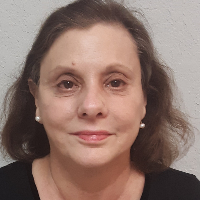
Florida · 32 yrs exp
LCSW - Stress and trauma focused
Stress, Anxiety · Trauma and abuse · Grief · Depression · +14 more
Read profile
Indiana · 25 yrs exp
Licensed Clinical Social Worker - Anxiety and Grief
Stress, Anxiety · Relationship · Grief · Self esteem · +12 more
Read profile
Pennsylvania · 17 yrs exp
Licensed Professional Counselor - Anxiety and Trauma
Stress, Anxiety · Trauma and abuse · Sleeping · Depression · +12 more
Read profile
Michigan · 15 yrs exp
LMSW - Anxiety and Life Transitions
Stress, Anxiety · LGBT · Relationship · Depression · +16 more
Read profile
Illinois · 39 yrs exp
LCSW - stress and anxiety care
Stress, Anxiety · Relationship · Grief · Sleeping · +1 more
Read profile
Colorado · 22 yrs exp
Licensed Clinical Social Worker - Anxiety and Trauma
Stress, Anxiety · Relationship · Trauma and abuse · Depression · +16 more
Read profileSleeping disorders cover a range of difficulties that interfere with the ability to fall asleep, stay asleep, or achieve restorative rest. You might experience insomnia, irregular sleep-wake patterns, excessive daytime sleepiness, or sleep disturbances tied to stress, shift work, or other health conditions. For many people, disrupted sleep affects mood, concentration, energy levels, and physical stamina. Occasional poor sleep is common, but persistent patterns that alter daily functioning can become a recurrent source of frustration and a driver of other problems.
Sleep problems can show up differently depending on your lifestyle and responsibilities. Parents may notice decreased patience and difficulty managing daily tasks. Shift workers might struggle with misaligned schedules and chronic fatigue. Students and professionals often report concentration lapses and impaired memory after nights of poor rest. Emotional reactions such as increased irritability, anxiety about sleeping, and avoidance of situations that might interfere with rest are also common. When sleep becomes a recurring barrier to wellbeing, many people seek therapeutic help to develop consistent habits, manage worry around sleep, and address underlying contributors.
You might consider therapy for sleep-related concerns when difficulty sleeping is persistent and affects how you live. Signs include regular trouble falling asleep despite being tired, waking frequently during the night, or waking up earlier than intended and not being able to return to sleep. You may feel consistently unrested or find that daytime tiredness limits your ability to concentrate at work, manage relationships, or enjoy leisure activities. When efforts to improve sleep on your own do not lead to steady improvement, therapy can offer structured strategies and a space to explore factors that interfere with rest.
Other indicators that therapy may be useful include increasing worry about sleep, habits that perpetuate poor rest, or sleep disruption that appears related to stress, mood changes, or trauma. If you notice a pattern where attempts to control sleep lead to more anxiety, or if sleep problems coincide with increased anxiety or low mood, therapeutic approaches can help by addressing those interacting issues. Therapy can also support you if sleep problems are affecting daily functioning like work performance, caregiving duties, or safety during tasks that require alertness.
When you begin therapy for sleep concerns, the initial sessions typically involve a detailed review of sleep history and daily routines. A therapist will ask about your sleep schedule, bedtime practices, caffeine and alcohol use, exercise, stressors, and how sleep difficulties impact your life. You may be invited to track sleep patterns using a sleep diary or app to gather concrete information about bedtime, wake times, and perceived sleep quality. This baseline helps guide which strategies will be most relevant to your situation.
Sessions often combine education about sleep physiology with practical behavior changes. Expect to discuss sleep habits and environmental factors that support or undermine rest. Therapists may work with you to set realistic goals, structure gradual changes, and monitor progress. Therapy sessions are collaborative and paced according to your needs, with attention to how sleep intersects with mood, anxiety, medical conditions, and lifestyle. Over time, you will explore techniques to reduce nighttime arousal, modify unhelpful thoughts about sleep, and build consistent routines that support more predictable rest patterns.
Several therapeutic methods are commonly used to address sleep concerns, and many therapists combine approaches to match individual needs. Cognitive-behavioral approaches adapted for insomnia focus on shifting unhelpful sleep-related thoughts and habits. You may hear about components such as stimulus control - changing behaviors that associate the bed with wakefulness - and sleep restriction - consolidating sleep opportunity to increase sleep drive and efficiency. Therapists who list cognitive-behavioral approaches among their methods often aim to help you break cycles that maintain sleep problems.
Relaxation training, breathing exercises, and mindfulness-based practices are frequently included to reduce physical and mental arousal at night. These techniques can help create a calmer transition to sleep and reduce worry that intensifies when you are lying awake. Some therapists also use approaches that address traumatic or emotional material when nighttime disturbance is linked to past events; in those cases it is common to see therapists who list trauma-informed methods among their approaches. Behavioral strategies like consistent sleep schedules, environmental adjustments, and timing of light exposure are practical elements that many therapists emphasize because they directly support circadian regulation.
It is also common for therapists to work alongside medical providers when sleep problems may have a biological or medication-related component. In all cases, therapists should focus on strategies within their scope of practice while encouraging coordination with physicians if medical evaluation or testing could be helpful for differential causes of sleep disturbance.
Online therapy can be an effective way to address sleep concerns because it allows you to meet with a clinician from home, where many sleep patterns and routines naturally occur. Remote sessions typically use video, audio, or messaging formats, and they enable you to share sleep diaries and build interventions that fit your daily life. Working online can make it easier to experiment with bedtime routines and report back on what is working in the environment where sleep happens. Some people appreciate the convenience of meeting from their own space, while others prefer an in-person setting; both formats can support progress if the fit between therapist and client is right.
When selecting a therapist for sleeping disorders, start by looking at focus areas to find clinicians who list sleep-related work or insomnia among their specialties. Examine listed approaches to identify methods that align with your preferences - for example, therapists who list cognitive-behavioral methods will likely emphasize behavioral strategies and thought work. Review credentials and professional background to understand clinical training and years of experience. Languages offered and cultural competence may matter if you prefer therapy in a particular language or with attention to cultural context.
Consider logistical details such as session format - video, phone, or messaging - and whether the therapist’s approach feels compatible with how you like to work. Read provider biographies to get a sense of therapeutic style and priorities. Think about practical matters like session length, general cost range, and whether the clinician notes experience working with conditions that intersect with sleep, such as anxiety, mood concerns, or shift-related schedules. Lastly, trust your impressions: initial contact and early sessions will reveal how well a therapist’s communication style and strategies fit your needs. Finding a strong fit increases the likelihood that you will stay engaged with a plan and practice the skills that support better sleep.
Addressing sleep problems is often a gradual process that combines behavioral change, coping strategies, and attention to mood or stressors that interfere with rest. By exploring therapist profiles on this page and considering focus areas, approaches, credentials, and communication style, you can identify clinicians whose methods align with your priorities. Thoughtful selection paired with consistent practice of recommended strategies can help you build more reliable sleep patterns and improved daytime functioning over time.
Alabama
134 therapists
Alaska
18 therapists
Arizona
114 therapists
Arkansas
67 therapists
Australia
138 therapists
California
590 therapists
Colorado
188 therapists
Connecticut
63 therapists
Delaware
19 therapists
District of Columbia
24 therapists
Florida
979 therapists
Georgia
291 therapists
Hawaii
27 therapists
Idaho
47 therapists
Illinois
294 therapists
Indiana
136 therapists
Iowa
40 therapists
Kansas
68 therapists
Kentucky
108 therapists
Louisiana
170 therapists
Maine
40 therapists
Maryland
114 therapists
Massachusetts
91 therapists
Michigan
320 therapists
Minnesota
93 therapists
Mississippi
90 therapists
Missouri
232 therapists
Montana
54 therapists
Nebraska
35 therapists
Nevada
47 therapists
New Hampshire
23 therapists
New Jersey
182 therapists
New Mexico
52 therapists
New York
351 therapists
North Carolina
348 therapists
North Dakota
11 therapists
Ohio
216 therapists
Oklahoma
127 therapists
Oregon
67 therapists
Pennsylvania
281 therapists
Rhode Island
15 therapists
South Carolina
169 therapists
South Dakota
18 therapists
Tennessee
139 therapists
Texas
898 therapists
United Kingdom
912 therapists
Utah
67 therapists
Vermont
13 therapists
Virginia
179 therapists
Washington
120 therapists
West Virginia
29 therapists
Wisconsin
128 therapists
Wyoming
24 therapists