
Velma Jones
LCSWNew York · 29 yrs exp
LCSW in New York - Mood and relationship work
Stress, Anxiety · Relationship · Trauma and abuse · Depression · +10 more
Read profileTherapist listings are provided by BetterHelp. We will earn a commission at no additional cost to you if you use our links to purchase.
This page highlights therapists who work with relationship and couples issues, covering communication, conflict, and intimacy concerns. Browse the listings below to compare practitioners' approaches, language skills, and focus areas to help guide your search.
New York · 29 yrs exp
LCSW in New York - Mood and relationship work
Stress, Anxiety · Relationship · Trauma and abuse · Depression · +10 more
Read profile
Oklahoma · 21 yrs exp
LMFT - Relationships and Anxiety
Stress, Anxiety · Relationship · Family · Self esteem · +8 more
Read profile
Florida · 14 yrs exp
Marsha Oxamendi LCSW - Anxiety and Stress
Stress, Anxiety · Grief · Anger · Self esteem · +12 more
Read profile
Michigan · 25 yrs exp
Licensed Professional Counselor - Stress and Anxiety
Stress, Anxiety · LGBT · Relationship · Grief · +10 more
Read profile
Illinois · 17 yrs exp
LCSW - trauma and mood support
Trauma and abuse · Coping with life changes · Stress, Anxiety · Relationship · +9 more
Read profile
South Carolina · 16 yrs exp
Licensed MFT - Relationships and Anxiety
Stress, Anxiety · Relationship · Family · Parenting · +14 more
Read profile
Florida · 20 yrs exp
LMHC - Addiction and stress care
Stress, Anxiety · Addictions · Relationship · Self esteem · +16 more
Read profile
Hawaii · 16 yrs exp
Licensed Clinical Social Worker - Anxiety and Depression
Stress, Anxiety · Grief · Self esteem · Depression · +5 more
Read profile
Minnesota · 25 yrs exp
Licensed Professional Counselor - Stress and Anxiety
Stress, Anxiety · Relationship · Grief · Self esteem · +9 more
Read profile
Oregon · 17 yrs exp
Licensed Professional Counselor - Anxiety and Stress
Stress, Anxiety · Anger · Self esteem · Career · +12 more
Read profile
Texas · 25 yrs exp
LPC in Texas - stress and relationship focus
Stress, Anxiety · Relationship · Parenting · Anger · +8 more
Read profile
New York · 24 yrs exp
LCSW in New York - anxiety and depression
Stress, Anxiety · Relationship · Anger · Self esteem · +12 more
Read profile
Florida · 39 yrs exp
Stress, Anxiety · Relationship · Family · Parenting · +14 more
Read profile
Mississippi · 16 yrs exp
MS LPC - Relationships and Family
Stress, Anxiety · Relationship · Family · Parenting · +6 more
Read profile
Kansas · 12 yrs exp
LCMFT in Kansas - Relationships and Anxiety
Stress, Anxiety · Relationship · Intimacy-related issues · Depression · +13 more
Read profile
North Carolina · 51 yrs exp
Licensed counselor - relationships and mood
Relationship · Intimacy-related issues · Parenting · Self esteem · +12 more
Read profile
New York · 11 yrs exp
Licensed Mental Health Counselor - Stress and Anxiety
Stress, Anxiety · Anger · Bipolar · Depression · +11 more
Read profile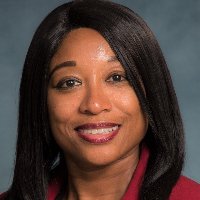
Georgia · 8 yrs exp
LPC counselor - anxiety and relationships
Stress, Anxiety · Relationship · Family · Grief · +11 more
Read profile
Illinois · 20 yrs exp
LCSW - Stress and Anxiety focused
Stress, Anxiety · Relationship · Parenting · Self esteem · +7 more
Read profile
Michigan · 20 yrs exp
LMSW - Stress and Anxiety support
Stress, Anxiety · Relationship · Self esteem · Family · +6 more
Read profile
Georgia · 12 yrs exp
LPC in Georgia - Stress and Anxiety
Stress, Anxiety · Anger · Self esteem · Depression · +13 more
Read profile
Kentucky · 18 yrs exp
LMFT - Relationships and Identity
LGBT · Relationship · Family · Self esteem · +14 more
Read profile
Florida · 10 yrs exp
LMHC LPC - Anxiety and Addictions
Stress, Anxiety · Addictions · Anger · Depression · +12 more
Read profile
Colorado · 15 yrs exp
LPC in Colorado - Relationships and Anxiety
Stress, Anxiety · Relationship · Intimacy-related issues · Self esteem · +10 more
Read profile
New Jersey · 5 yrs exp
Licensed Professional Counselor - Stress and Anxiety
Stress, Anxiety · Relationship · Family · Anger · +12 more
Read profile
Ohio · 3 yrs exp
LPCC in Ohio - CBT and client-centered work
Addictions · Family · Anger · Depression · +6 more
Read profile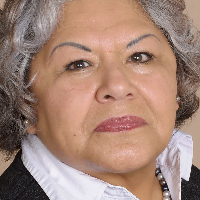
Nevada · 3 yrs exp
LCSW - Anxiety and relationship concerns
Stress, Anxiety · Relationship · Family · Trauma and abuse · +11 more
Read profile
California · 12 yrs exp
Licensed Marriage and Family Therapist - Anxiety and Relationships
Stress, Anxiety · Family · Parenting · Self esteem · +8 more
Read profile
Florida · 25 yrs exp
LMHC - Anxiety and Depression focus
Stress, Anxiety · Family · Grief · Self esteem · +12 more
Read profile
Michigan · 5 yrs exp
Licensed Professional Counselor - Stress and Anxiety
Stress, Anxiety · Relationship · Family · Self esteem · +12 more
Read profile
New York · 15 yrs exp
LCPC LMHC - Stress and Anxiety
Stress, Anxiety · Trauma and abuse · Grief · Self esteem · +16 more
Read profile
Pennsylvania · 12 yrs exp
Licensed counselor - anxiety and relationships
Stress, Anxiety · Relationship · Self esteem · Depression · +11 more
Read profile
Florida · 26 yrs exp
LMHC - Depression and Anxiety Focus
Relationship · Grief · Self esteem · Depression · +13 more
Read profile
Missouri · 16 yrs exp
LCSW - Stress and mood concerns
Stress, Anxiety · Trauma and abuse · Self esteem · Bipolar · +12 more
Read profile
North Carolina · 10 yrs exp
LCSW therapist - anxiety and relationships
Stress, Anxiety · Relationship · Family · Bipolar · +16 more
Read profile
Texas · 17 yrs exp
Licensed Professional Counselor - Stress and Anxiety
Stress, Anxiety · Family · Depression · Coping with life changes · +12 more
Read profile
Missouri · 7 yrs exp
Licensed Professional Counselor - Anxiety and Addictions
Stress, Anxiety · Addictions · Relationship · Self esteem · +13 more
Read profile
Florida · 17 yrs exp
LMHC - Relationships and Addictions
Stress, Anxiety · Addictions · Relationship · Family · +14 more
Read profile
Texas · 10 yrs exp
LPC in Texas - Anxiety and Relationship support
Stress, Anxiety · Relationship · Family · Depression · +14 more
Read profile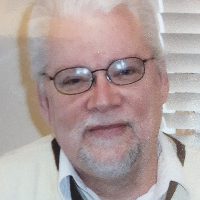
Michigan · 45 yrs exp
Licensed Counselor - Anxiety and Addictions
Stress, Anxiety · Addictions · Trauma and abuse · Grief · +10 more
Read profile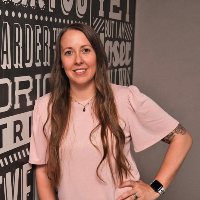
Wisconsin · 8 yrs exp
LPC in Wisconsin - relationships and anxiety
Relationship · Intimacy-related issues · Coping with life changes · Stress, Anxiety · +8 more
Read profile
Texas · 11 yrs exp
Licensed Professional Counselor - Anxiety and Relationships
Stress, Anxiety · Relationship · Family · Parenting · +9 more
Read profile
Texas · 12 yrs exp
Texas LPC - Mood and trauma support
Stress, Anxiety · Self esteem · Career · Depression · +9 more
Read profile
Texas · 10 yrs exp
Licensed Professional Counselor - Relationships and Family
Relationship · Family · Anger · Self esteem · +12 more
Read profile
Florida · 14 yrs exp
Florida LMHC - Anxiety and Relationships
Stress, Anxiety · Trauma and abuse · Bipolar · Depression · +16 more
Read profile
Texas · 13 yrs exp
Licensed counselor and family therapist - relationships and addiction
Stress, Anxiety · LGBT · Relationship · Trauma and abuse · +12 more
Read profile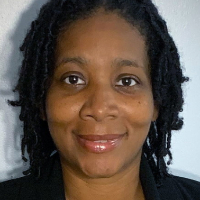
Florida · 13 yrs exp
Licensed counselor - anxiety and mood
Stress, Anxiety · Anger · Depression · Coping with life changes · +13 more
Read profile
Minnesota · 23 yrs exp
Licensed Marriage and Family Therapist - Stress and Relationships
Stress, Anxiety · Relationship · Trauma and abuse · Self esteem · +13 more
Read profile
New Jersey · 10 yrs exp
Licensed Clinical Social Worker - Anxiety and Trauma
Stress, Anxiety · Family · Trauma and abuse · Self esteem · +3 more
Read profile
Pennsylvania · 16 yrs exp
Licensed Professional Counselor - Anxiety and Relationships
Stress, Anxiety · Relationship · Family · Trauma and abuse · +11 more
Read profile
Florida · 30 yrs exp
LMHC - CBT and practical skills
Stress, Anxiety · Trauma and abuse · Bipolar · Depression · +16 more
Read profile
Louisiana · 16 yrs exp
LCSW - Anxiety and Relationship Concerns
Stress, Anxiety · Relationship · Trauma and abuse · Bipolar · +16 more
Read profile
South Carolina · 10 yrs exp
LISW-CP - Anxiety and Relationship work
Stress, Anxiety · Relationship · Family · Trauma and abuse · +1 more
Read profile
Louisiana · 22 yrs exp
Licensed LMFT LPC - Anxiety and Relationships
Stress, Anxiety · Relationship · Family · Grief · +11 more
Read profile
Florida · 10 yrs exp
Licensed Clinical Social Worker - Stress and Relationships
Stress, Anxiety · Addictions · Family · Grief · +8 more
Read profile
Texas · 20 yrs exp
LPC in Texas - anxiety and life transitions
Family · Grief · Parenting · Self esteem · +7 more
Read profile
Michigan · 15 yrs exp
LPC in Michigan - anxiety and life changes
Stress, Anxiety · Anger · Self esteem · Depression · +10 more
Read profile
North Carolina · 18 yrs exp
Dr Shelia Williamson Collins LPC LCPC - Mood and addiction support
Stress, Anxiety · Addictions · Trauma and abuse · Anger · +13 more
Read profile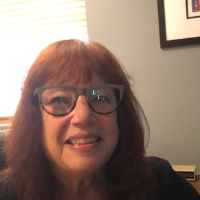
New York · 30 yrs exp
LCSW in New York - Relationships and Anxiety
Stress, Anxiety · Relationship · Parenting · Self esteem · +11 more
Read profile
Michigan · 21 yrs exp
LMSW - Stress and relationship concerns
Stress, Anxiety · Relationship · Family · Bipolar · +14 more
Read profileRelationships shape much of daily life - with partners, family members, and close friends. When relationships are healthy, they can provide support, meaning, and stability. When they are strained, the impact can ripple into other areas of your life, including work performance, sleep, mood, and your sense of self. You may notice recurring patterns such as frequent misunderstandings, emotional distance, or cycles of heated arguments followed by withdrawal. These patterns can feel isolating and exhausting, even when both people care deeply about each other.
Problems in relationships often start as small shifts that accumulate. You might find that conversations become shorter, affection fades, or day-to-day stress amplifies conflict. Some people experience a slow erosion of connection, while others face sudden crises after infidelity, grief, or major life transitions. You do not need to wait for a crisis to explore therapy. Addressing patterns early can change how you interact and how you relate to yourself within the relationship, which in turn affects emotional and practical outcomes over time.
Not everyone who seeks relationship work is in a crisis. You might consider exploring therapy if you notice persistent conflict that you and your partner resolve only temporarily, repeated arguments about the same issues, or difficulty expressing needs and listening without shutting down. Other signs include chronic mistrust, power imbalances, ongoing resentment, sexual concerns, or challenges forming new attachments after a breakup. If relationship stress impacts your mood, sleep, or daily functioning, it may be helpful to talk with a clinician about strategies to change those patterns.
You may look for relationship support when conversations feel unproductive, when attempts to change are resisted, or when you are unsure how to move forward alone. Therapy can help you develop communication skills, explore underlying emotional triggers, and create practical routines that reduce tension. Even if only one partner is interested in therapy, individual work can clarify relationship goals and coping strategies, which may later inform joint sessions if both partners choose to participate.
In early sessions, a therapist typically asks about the history of the relationship and about the concerns each person brings. Expect to talk about patterns - what happens in a typical conflict, how each of you reacts, and what you hope will change. Therapists often invite each person to share their perspective and may help translate between partners so each feels heard. Sessions balance emotional exploration with practical skills building; you will likely practice communication techniques and experiment with small behavioral changes between meetings.
Therapy can move at different speeds depending on the issues and your goals. Some people focus on resolving discrete problems like trust or infidelity, while others work on longer-term change such as rebuilding intimacy or reshaping interaction patterns. Therapists may suggest exercises to do at home, such as timing conversations or using specific phrasing to reduce escalation. You should expect a mix of insight and practice - gaining awareness of the dynamics and trying new ways of connecting.
There is a variety of therapeutic approaches used to address relationship concerns. You will find therapists who list emotionally focused therapy among their approaches, which centers on understanding attachment needs and emotional responsiveness. Others may list cognitive behavioral therapy, which focuses on how thoughts and behaviors influence interaction patterns. There are clinicians who identify with psychodynamic approaches that explore how early relational experiences shape present behavior, and those who list the Gottman approach among their methods, emphasizing research-informed tools for communication and conflict management.
Different approaches emphasize different entry points for change. Emotionally focused work tends to map and alter the emotional dance between partners, while cognitive behavioral strategies often provide concrete exercises to shift interactional habits. Psychodynamic perspectives invite exploration of long-standing patterns that may stem from earlier relationships, and some therapists list systemic approaches that consider family or cultural influences on the couple. You can use listings to see which modalities therapists mention and read profiles to understand how they describe applying those approaches in relationship work.
Online therapy has become a common option for relationship work because it allows partners to join sessions from different locations and can reduce barriers to starting therapy. Sessions typically take place via video or phone, and some clinicians offer messaging or asynchronous check-ins to support ongoing work between meetings. When you choose remote sessions, consider practical factors such as finding a comfortable setting where you can speak openly, having reliable internet access, and planning around time zones if partners are in different places. You should also ask how the therapist handles session structure and whether they invite both partners, individuals, or a mix depending on goals.
Online sessions can increase convenience and make it easier to involve extended family or partners who live apart. They can also allow access to clinicians who list specialized experience or language skills that are not available locally. At the same time, virtual sessions may require extra attention to communication cues that are easier to pick up in person. If either partner has concerns about privacy at home or about managing strong emotions after a session, discuss these with the therapist so you can plan for safety and follow-up support. Clear agreements about session etiquette and technology can make remote relationship work more effective.
Choosing the right therapist is a personal decision based on your needs, preferences, and the type of work you want to do. Start by noting the issues you most want to address - whether it is communication, rebuilding trust, parenting conflicts, or navigating transitions - and look for profiles that mention those focus areas. Pay attention to descriptions of approaches, and remember that many therapists list multiple approaches; that can be helpful if you prefer a blend of skills-based work and deeper emotional exploration. Language skills, cultural background, and experience with specific family or identity issues can also matter when you want someone who understands your context.
You may find it useful to read several profiles and then reach out to ask brief questions about a therapist's approach to couples or relationship work. Asking how they structure sessions, whether they work with individuals, couples, or both, and how they measure progress can give you a clearer sense of fit. Trust your instincts - if you feel that a therapist's description resonates and they explain their methods in a way that makes sense to you, that may be a good sign. Relationship work often benefits from patience and persistence, so finding a clinician whose style you can work with is an important step toward change.
Relationship therapy can help you learn to communicate more clearly, resolve recurring conflicts, and reconnect with what matters to you as a couple or as an individual. Use the listings above to explore practitioners' profiles, approaches, language skills, and stated focus areas to find professionals whose descriptions align with your goals.
Alabama
134 therapists
Alaska
18 therapists
Arizona
114 therapists
Arkansas
67 therapists
Australia
138 therapists
California
590 therapists
Colorado
188 therapists
Connecticut
63 therapists
Delaware
19 therapists
District of Columbia
24 therapists
Florida
979 therapists
Georgia
291 therapists
Hawaii
27 therapists
Idaho
47 therapists
Illinois
294 therapists
Indiana
136 therapists
Iowa
40 therapists
Kansas
68 therapists
Kentucky
108 therapists
Louisiana
170 therapists
Maine
40 therapists
Maryland
114 therapists
Massachusetts
91 therapists
Michigan
320 therapists
Minnesota
93 therapists
Mississippi
90 therapists
Missouri
232 therapists
Montana
54 therapists
Nebraska
35 therapists
Nevada
47 therapists
New Hampshire
23 therapists
New Jersey
182 therapists
New Mexico
52 therapists
New York
351 therapists
North Carolina
348 therapists
North Dakota
11 therapists
Ohio
216 therapists
Oklahoma
127 therapists
Oregon
67 therapists
Pennsylvania
281 therapists
Rhode Island
15 therapists
South Carolina
169 therapists
South Dakota
18 therapists
Tennessee
139 therapists
Texas
898 therapists
United Kingdom
912 therapists
Utah
67 therapists
Vermont
13 therapists
Virginia
179 therapists
Washington
120 therapists
West Virginia
29 therapists
Wisconsin
128 therapists
Wyoming
24 therapists