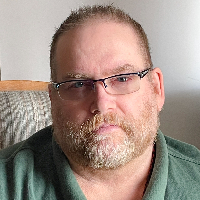
Ken McCauley
LCMHCUtah · 14 yrs exp
LCMHC - Anxiety and Addictions
Stress, Anxiety · Addictions · Relationship · Depression · +14 more
Read profileTherapist listings are provided by BetterHelp. We will earn a commission at no additional cost to you if you use our links to purchase.
Welcome to our directory of online therapists for Utah residents. All therapists listed here are licensed to practice in Utah. Explore profiles to compare specialties, approaches, credentials and languages.
Utah · 14 yrs exp
LCMHC - Anxiety and Addictions
Stress, Anxiety · Addictions · Relationship · Depression · +14 more
Read profile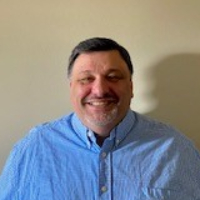
Utah · 9 yrs exp
LMFT in Utah - Anxiety and Relationship Work
Stress, Anxiety · Addictions · Relationship · Family · +11 more
Read profile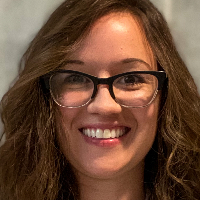
Utah · 7 yrs exp
LCSW - Anxiety and Addiction
Addictions · Grief · Self esteem · Depression · +9 more
Read profile
Utah · 25 yrs exp
LCSW - Anxiety and Relationship concerns
Stress, Anxiety · Relationship · Self esteem · Career · +9 more
Read profile
Utah · 7 yrs exp
Licensed counselor - anxiety and trauma
Stress, Anxiety · Relationship · Trauma and abuse · Self esteem · +9 more
Read profile
Utah · 7 yrs exp
LCSW - Addiction and Mood Concerns
Addictions · Trauma and abuse · Grief · Self esteem · +11 more
Read profile
Utah · 25 yrs exp
LCSW - Stress and Anxiety focus
Stress, Anxiety · Relationship · Self esteem · Depression · +1 more
Read profile
Utah · 6 yrs exp
LCSW - Anxiety and mood concerns
Stress, Anxiety · Relationship · Depression · ADHD · +10 more
Read profile
Utah · 15 yrs exp
LCPC and LMHC - stress and relationships
Stress, Anxiety · Relationship · Self esteem · Depression · +5 more
Read profile
Utah · 32 yrs exp
Dr. Kimberly Walsh - Psychologist, Mood and Anxiety
Stress, Anxiety · Self esteem · Bipolar · Depression · +9 more
Read profile
Utah · 10 yrs exp
LCMHC counselor - Anxiety and stress
Stress, Anxiety · Addictions · Trauma and abuse · Grief · +14 more
Read profile
Utah · 35 yrs exp
Licensed counselor - relationships and trauma
Relationship · Family · Trauma and abuse · Intimacy-related issues · +16 more
Read profile
Utah · 20 yrs exp
LMFT - Stress and Relationship Concerns
Stress, Anxiety · Addictions · Relationship · Family · +13 more
Read profile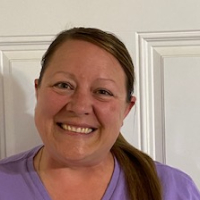
Utah · 9 yrs exp
LCSW - Anxiety and Addiction support
Stress, Anxiety · Addictions · Trauma and abuse · Self esteem · +9 more
Read profile
Utah · 11 yrs exp
LCSW - Anxiety and Trauma focus
Stress, Anxiety · Relationship · Trauma and abuse · Self esteem · +13 more
Read profile
Utah · 20 yrs exp
LCSW - Stress and Relationship concerns
Stress, Anxiety · Relationship · Grief · Depression · +12 more
Read profile
Utah · 25 yrs exp
LCSW - anxiety and mood disorders
Stress, Anxiety · Family · Trauma and abuse · Anger · +15 more
Read profile
Utah · 17 yrs exp
LCMHC in Utah - Stress and Relationship Concerns
Stress, Anxiety · Trauma and abuse · Anger · Depression · +13 more
Read profile
Utah · 34 yrs exp
LMFT in Utah - relationship and trauma support
Relationship · Trauma and abuse · Self esteem · Bipolar · +13 more
Read profile
Utah · 20 yrs exp
LCSW - Stress and Addiction
Stress, Anxiety · Addictions · Trauma and abuse · Self esteem · +12 more
Read profile
Utah · 23 yrs exp
Licensed Clinical Social Worker - Anxiety and Life Changes
Stress, Anxiety · Trauma and abuse · Self esteem · Depression · +12 more
Read profile
Utah · 22 yrs exp
LPC and LCMHC - Anxiety and Addiction care
Addictions · Relationship · Trauma and abuse · Stress, Anxiety · +11 more
Read profile
Utah · 8 yrs exp
LCMHC in Utah - relationships and anxiety
Stress, Anxiety · Relationship · Trauma and abuse · Self esteem · +14 more
Read profile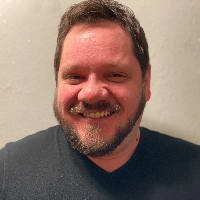
Utah · 11 yrs exp
LPC LCMHC - Anxiety and Relationship Concerns
Stress, Anxiety · LGBT · Relationship · Trauma and abuse · +9 more
Read profile
Utah · 16 yrs exp
LCSW - anxiety and relationship support
Stress, Anxiety · Family · Self esteem · Depression · +10 more
Read profile
Utah · 20 yrs exp
Dr. Susan Frauenholtz, LISW LCSW - Anxiety and Life Changes
Stress, Anxiety · Trauma and abuse · Grief · Self esteem · +14 more
Read profile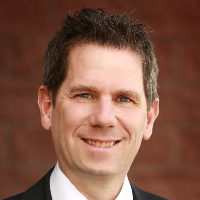
Utah · 25 yrs exp
Dr LCMHC - Anxiety and Addiction focus
Stress, Anxiety · Addictions · Relationship · Family · +10 more
Read profile
Utah · 9 yrs exp
LCMHC therapist - grief and parenting
Grief · Parenting · Self esteem · Coping with life changes · +9 more
Read profile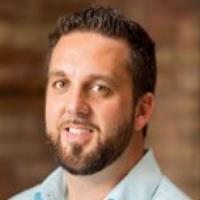
Utah · 11 yrs exp
Licensed counselor - Trauma and mood concerns
Family · Trauma and abuse · Anger · Self esteem · +10 more
Read profile
Utah · 25 yrs exp
LMFT - Relationships and family help
Relationship · Family · Parenting · Anger · +14 more
Read profile
Utah · 5 yrs exp
LCSW - Anxiety and trauma focused
Stress, Anxiety · Trauma and abuse · Parenting · Self esteem · +7 more
Read profile
Utah · 4 yrs exp
LCSW - Parenting and mood concerns
Parenting · Depression · Stress, Anxiety · LGBT · +6 more
Read profile
Utah · 10 yrs exp
LCMHC - Anxiety and Trauma focused
Stress, Anxiety · Addictions · Trauma and abuse · Self esteem · +12 more
Read profile
Utah · 21 yrs exp
LCSW focused on anxiety and addiction
Addictions · Family · Trauma and abuse · Parenting · +15 more
Read profile
Utah · 20 yrs exp
Licensed Clinical Social Worker - Self esteem and Anxiety
Self esteem · Career · Coaching · Stress, Anxiety · +2 more
Read profile
Utah · 21 yrs exp
LCMHC - Relationships and trauma
Relationship · Family · Trauma and abuse · Intimacy-related issues · +14 more
Read profile
Utah · 23 yrs exp
LCSW - Stress and relationship concerns
Stress, Anxiety · Grief · Self esteem · Depression · +14 more
Read profile
Utah · 3 yrs exp
Licensed counselor - Anxiety and trauma
Stress, Anxiety · Trauma and abuse · Addictions · Relationship · +7 more
Read profile
Utah · 22 yrs exp
LCSW in Utah - Anxiety and Depression
Stress, Anxiety · LGBT · Depression · Coping with life changes · +7 more
Read profile
Utah · 21 yrs exp
LMHC and LPC - Stress and Trauma
Stress, Anxiety · Trauma and abuse · Parenting · Depression · +13 more
Read profile
Utah · 7 yrs exp
LMFT - Anxiety and Relationship concerns
Stress, Anxiety · Relationship · Family · Depression · +6 more
Read profile
Utah · 19 yrs exp
Dr. Matthew Reiser - Psychologist focused on CBT and ACT
Stress, Anxiety · Relationship · Trauma and abuse · Self esteem · +14 more
Read profile
Utah · 6 yrs exp
LCSW in Utah - Anxiety and Life Changes
Stress, Anxiety · Addictions · Family · Grief · +8 more
Read profile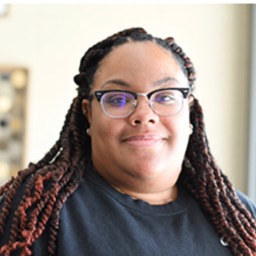
Utah · 5 yrs exp
LCSW focusing on mood and anxiety
Stress, Anxiety · Anger · Self esteem · Depression · +11 more
Read profile
Utah · 15 yrs exp
LICSW LCSW - Relationships and Anxiety
Relationship · Family · Grief · Parenting · +12 more
Read profile
Utah · 5 yrs exp
LCMHC in Utah - Anxiety and mood concerns
Stress, Anxiety · Addictions · Trauma and abuse · Self esteem · +8 more
Read profile
Utah · 9 yrs exp
Utah LCSW - anxiety and life changes
Stress, Anxiety · Grief · Self esteem · Coping with life changes · +8 more
Read profile
Utah · 21 yrs exp
LMFT in Utah - stress and relationships
Stress, Anxiety · Relationship · Family · Trauma and abuse · +14 more
Read profile
Utah · 8 yrs exp
LPC, LCPC - Anxiety and Addictions
Stress, Anxiety · Addictions · Trauma and abuse · Bipolar · +15 more
Read profile
Utah · 5 yrs exp
LCSW in Utah - anxiety and trauma
Stress, Anxiety · Trauma and abuse · Grief · Self esteem · +9 more
Read profile
Utah · 50 yrs exp
LCSW - Anxiety and Addiction
Stress, Anxiety · Intimacy-related issues · Self esteem · Depression · +7 more
Read profile
Utah · 13 yrs exp
LCSW - anxiety and grief support
Stress, Anxiety · Grief · Career · Depression · +1 more
Read profile
Utah · 6 yrs exp
LCSW - Stress and Anxiety focus
Stress, Anxiety · Trauma and abuse · Anger · Depression · +14 more
Read profile
Utah · 10 yrs exp
LCMHC in Utah - Anxiety and Trauma focus
Stress, Anxiety · Trauma and abuse · Self esteem · Depression · +11 more
Read profile
Utah · 30 yrs exp
Licensed counselor - Addictions and trauma
Stress, Anxiety · Addictions · Trauma and abuse · Grief · +12 more
Read profile
Utah · 18 yrs exp
LCSW - Anxiety and Relationship Concerns
Stress, Anxiety · Relationship · Family · Parenting · +11 more
Read profile
Utah · 14 yrs exp
Licensed Clinical Mental Health Counselor - Stress and Anxiety
Stress, Anxiety · Addictions · Trauma and abuse · Anger · +1 more
Read profile
Utah · 5 yrs exp
Licensed Clinical Mental Health Counselor - Anxiety and Depression
Stress, Anxiety · Grief · Eating · Depression · +1 more
Read profile
Utah · 5 yrs exp
LCSW - Anxiety and Trauma focused
Stress, Anxiety · Trauma and abuse · Anger · Self esteem · +1 more
Read profile
Utah · 34 yrs exp
LMFT in Utah - Stress and Relationship Work
Stress, Anxiety · Relationship · Trauma and abuse · Grief · +1 more
Read profileOver recent years the way people access mental health care has shifted, and online therapy is now a routine option for many Utah residents. You will find clinicians working from a variety of settings who indicate that they offer remote sessions, and that makes it possible to connect with a wider range of approaches and language options than might be available in your immediate neighborhood. Because licensure rules are tied to where you are located during a session, many therapists on this site list licensure in Utah and note the kinds of remote work they offer. Online work can cross city lines within the state, which is particularly useful in a state with both mountain communities and larger urban areas. Technology is not a substitute for fit, but it does expand the pool of professionals you can consider when you select someone whose approach and background match what you are looking for.
Remember that how a therapist describes their work varies. Some therapists list specific approaches such as cognitive behavioral techniques, psychodynamic work, or EMDR among their approaches, while others highlight focus areas such as trauma, relationship issues, or grief. Those descriptions are a starting point for learning more about how a clinician works and whether their style feels right for you.
Online therapy offers several practical advantages that matter in day-to-day life. If you live in a rural area or far from a major city, virtual meetings reduce travel time and remove geographic barriers that might otherwise limit your choices. If your schedule includes long commutes, irregular hours, or caregiving responsibilities, remote sessions can make it easier to maintain a consistent therapeutic relationship without rearranging large parts of your day. You may also find it easier to connect with a clinician who shares your language, cultural background, or clinical interests when you are not limited by local availability.
Beyond convenience, remote sessions can help you test whether a particular therapeutic approach or clinician is a good fit before committing to a longer-term arrangement. That flexibility can be especially useful when you are exploring different styles of therapy or prioritizing factors like a therapist's experience with specific life transitions, adolescent and family work, or support for identity-related concerns. While the medium of video or phone work changes some logistics, many people find that strong therapeutic rapport and meaningful progress are still possible in a remote format.
Online therapists in Utah commonly work with the same range of issues you would expect in face-to-face care. You can find clinicians who list anxiety and depression among their focus areas, and others who describe work with trauma, grief, relationship and family concerns, parenting challenges, life transitions, stress management, and workplace issues. Therapists often note populations they work with such as adolescents, adults, couples, older adults, and members of LGBTQ+ communities, as well as specialized concerns like coping with chronic illness or supporting newcomers to the state.
When you review profiles, pay attention to how a therapist frames goals and process. Some clinicians emphasize skills-based work to manage symptoms, while others describe deeper exploratory approaches aimed at long-standing patterns. Some therapists list methods such as mindfulness-informed practices, cognitive and behavioral strategies, narrative approaches, or therapists who list EMDR among their approaches. Those listings are intended to help you understand likely ways of working, but the most helpful outcome is a match between your goals and the clinician's methods and experience.
Verifying a clinician's licensure is an important part of choosing a therapist. In Utah the licensing board and related regulatory entities maintain public records where you can look up a provider by name or license number. These records typically show the license type - for example licensed professional counselor, clinical social worker, marriage and family therapist, or psychologist - along with the current status of the license, expiration date, and any recorded disciplinary history. You can use that information to confirm that the license is active and to see the jurisdiction in which the professional is permitted to practice.
If a therapist lists licensure from another state or indicates they practice across state lines, note that rules about providing services to someone physically located in Utah can vary. For your own clarity, you might start by confirming the clinician's listed Utah credentials and then, if necessary, ask them directly about the regulatory framework that applies to remote services. If you have questions about interpreting what you find in a public record or about how licensure affects the type of care you receive, the licensing board can provide authoritative guidance about the meaning of any entry in its records.
Begin by using profile information to identify clinicians whose focus areas and approaches align with your needs. Read descriptions of specialties, listed approaches, languages spoken, and any notes about population focus. Once you have a short list, reach out to a clinician to ask about how they structure sessions, what technology they use for remote meetings, and what to expect in an initial appointment. You can also inquire about session length, typical therapeutic goals, and how progress is measured. When preparing for your first session, choose a time and a private space where you can speak without interruption and where you have a reliable internet connection or phone line.
When you make initial contact, consider asking about fee structures, whether the clinician offers sliding scale options, and which insurance plans they list if you plan to use coverage. It is reasonable to request information about information-sharing boundaries protections and how records are managed, and to ask how the clinician handles emergencies or crisis situations when sessions are conducted remotely. You may want to confirm language preferences and cultural competence if those factors are important to you. A short pre-session conversation can help you assess rapport and whether the clinician's way of explaining the work matches what you hope to achieve.
Choosing a therapist is a personal decision that hinges on fit as much as on credentials. Prioritize clinicians whose stated areas of focus and therapeutic approaches align with the concerns you want to address. If cultural background, language, age group, or experience with particular life stages matters to you, look for profiles that explicitly mention those factors. Think about the kind of structure you prefer in sessions - whether you want skills and tools for symptom management, more reflective exploratory work, short-term problem-focused work, or ongoing support - and let that preference guide your selection.
Pay attention to the tone of a therapist's profile and your initial interactions. If a clinician explains their approach in a way that feels clear and respectful, that can be a good sign. Trust your impression of how they listen and respond during an introductory call. It is also useful to set clear goals early on and to discuss how you and the clinician will track progress. If you are juggling practical constraints such as work or caregiving, clarify session length and how scheduling is handled so that the logistics fit your life. Ultimately you are looking for someone whose skills, approach, and personality create a working relationship where you feel heard and supported as you pursue your goals.
Online therapy can broaden the range of clinicians you can consider while offering flexibility for many life situations in Utah. Taking practical verification steps, asking focused questions up front, and reflecting on the match between your needs and a clinician's stated approach will help you make an informed choice and begin work that aligns with your goals.
Addictions
4641 therapists
ADHD
4096 therapists
Anger
5854 therapists
Bipolar
3899 therapists
Depression
8028 therapists
Grief
6566 therapists
Guilt and Shame
5491 therapists
Isolation / Loneliness
5015 therapists
Mood Disorders
4157 therapists
OCD
2015 therapists
Panic Disorder and Panic Attacks
3550 therapists
Phobias
1439 therapists
Post-Traumatic Stress
4475 therapists
Self Esteem
7944 therapists
Sleeping Disorders
2287 therapists
Social Anxiety and Phobia
3922 therapists
Stress & Anxiety
8652 therapists
Trauma and Abuse
6823 therapists
Attachment Issues
3730 therapists
Career
5073 therapists
Caregiver Issues and Stress
4037 therapists
Communication Problems
6152 therapists
Coping with Life Changes
7511 therapists
Divorce
4069 therapists
Family
6489 therapists
Family of Origin Issues
2797 therapists
Life Purpose
5655 therapists
Parenting
5446 therapists
Relationship
7361 therapists
Self-Love
5654 therapists
Workplace Issues
4230 therapists