
Raymond Butts
LPCArizona · 30 yrs exp
LPC counselor - stress and trauma
Stress, Anxiety · Trauma and abuse · Self esteem · Career · +11 more
Read profileTherapist listings are provided by BetterHelp. We will earn a commission at no additional cost to you if you use our links to purchase.
Welcome to our Arizona online therapy directory. All listed therapists are licensed in Arizona, and you can browse profiles to compare approaches, credentials, languages and experience.
Explore the listings to find counselors who match your needs and learn practical steps to get started with online therapy today.
Arizona · 30 yrs exp
LPC counselor - stress and trauma
Stress, Anxiety · Trauma and abuse · Self esteem · Career · +11 more
Read profile
Arizona · 40 yrs exp
LCSW in Arizona - Stress and Relationship concerns
Stress, Anxiety · LGBT · Relationship · Grief · +10 more
Read profile
Arizona · 10 yrs exp
LCSW in Arizona - mood and life transition work
Stress, Anxiety · Self esteem · Bipolar · Depression · +10 more
Read profile
Arizona · 21 yrs exp
LPC in Arizona - Anxiety and Relationships
Stress, Anxiety · Addictions · Relationship · Family · +10 more
Read profile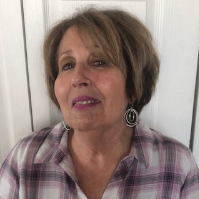
Arizona · 25 yrs exp
Licensed Professional Counselor - stress and addiction
Stress, Anxiety · Addictions · Relationship · Trauma and abuse · +11 more
Read profile
Arizona · 10 yrs exp
LMHC and LPC - stress and addiction work
Stress, Anxiety · Addictions · Relationship · Self esteem · +14 more
Read profile
Arizona · 36 yrs exp
AZ Psychologist - Stress and Relationship Concerns
Stress, Anxiety · Relationship · Grief · Anger · +7 more
Read profile
Arizona · 6 yrs exp
Licensed Clinical Social Worker - Anxiety and Depression
Stress, Anxiety · Anger · Self esteem · Bipolar · +14 more
Read profile
Arizona · 30 yrs exp
LCSW - Addiction and Mood concerns
Addictions · Relationship · Family · Self esteem · +10 more
Read profile
Arizona · 40 yrs exp
Arizona LPC - Addictions and Trauma
Addictions · Trauma and abuse · Self esteem · Career · +15 more
Read profile
Arizona · 10 yrs exp
Arizona psychologist - stress and career support
Stress, Anxiety · Self esteem · Career · Coping with life changes · +14 more
Read profile
Arizona · 8 yrs exp
LPC in Arizona - anxiety and trauma
Stress, Anxiety · Trauma and abuse · Parenting · Self esteem · +13 more
Read profile
Arizona · 20 yrs exp
Licensed Professional Counselor - Stress and Trauma
Stress, Anxiety · Trauma and abuse · Grief · Depression · +9 more
Read profile
Arizona · 24 yrs exp
LCSW - Anxiety and Addictions
Stress, Anxiety · Addictions · Grief · Self esteem · +6 more
Read profile
Arizona · 8 yrs exp
LPC in Arizona - Anxiety and Mood Concerns
Stress, Anxiety · Trauma and abuse · Anger · Bipolar · +10 more
Read profile
Arizona · 7 yrs exp
LPC in Arizona - Stress and Trauma
Stress, Anxiety · Trauma and abuse · Grief · Depression · +1 more
Read profile
Arizona · 10 yrs exp
LPC in Arizona - Stress and addiction focus
Stress, Anxiety · Addictions · Grief · Self esteem · +1 more
Read profile
Arizona · 32 yrs exp
LCSW in Arizona - Stress and relationship work
Stress, Anxiety · Relationship · Self esteem · Depression · +1 more
Read profile
Arizona · 19 yrs exp
LPC in Arizona - stress and relationships
Stress, Anxiety · Addictions · LGBT · Relationship · +8 more
Read profile
Arizona · 20 yrs exp
LCSW - Stress and anxiety support
Stress, Anxiety · Parenting · Self esteem · Depression · +1 more
Read profile
Arizona · 10 yrs exp
LPC in Arizona - Anxiety and Stress
Stress, Anxiety · Sleeping · Self esteem · Depression · +1 more
Read profile
Arizona · 7 yrs exp
LPC in Arizona - Mood and anxiety concerns
Stress, Anxiety · Grief · Bipolar · Depression · +12 more
Read profile
Arizona · 25 yrs exp
Licensed counselor - Anxiety and trauma
Stress, Anxiety · Trauma and abuse · Parenting · Bipolar · +10 more
Read profile
Arizona · 6 yrs exp
LCSW - Anxiety and Trauma
Stress, Anxiety · Trauma and abuse · Bipolar · Depression · +8 more
Read profile
Arizona · 21 yrs exp
Licensed counselor - anxiety and trauma
Stress, Anxiety · Relationship · Trauma and abuse · Grief · +13 more
Read profile
Arizona · 13 yrs exp
LMFT in Arizona - grief and anxiety focus
Stress, Anxiety · Relationship · Grief · Self esteem · +10 more
Read profile
Arizona · 13 yrs exp
LPC - Relationships and Anxiety
Stress, Anxiety · Relationship · Family · Coping with life changes
Read profile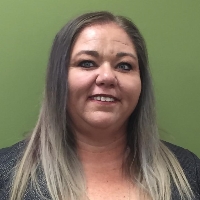
Arizona · 16 yrs exp
Licensed counselor - Anxiety and addictions
Stress, Anxiety · Addictions · Relationship · Self esteem · +10 more
Read profile
Arizona · 10 yrs exp
LMFT - Stress and relationship concerns
Stress, Anxiety · Relationship · Family · Trauma and abuse · +11 more
Read profile
Arizona · 14 yrs exp
LCSW - Trauma and Mood Concerns
Trauma and abuse · Grief · Anger · Depression · +9 more
Read profile
Arizona · 3 yrs exp
LPC in Arizona - Anxiety and Mood Concerns
Stress, Anxiety · Anger · Depression · Addictions · +4 more
Read profile
Arizona · 26 yrs exp
LCSW - Trauma and anxiety support
Stress, Anxiety · Trauma and abuse · Grief · Self esteem · +12 more
Read profile
Arizona · 16 yrs exp
Licensed Professional Counselor - anxiety and stress
Stress, Anxiety · Parenting · Self esteem · Depression · +14 more
Read profile
Arizona · 18 yrs exp
LPC in Arizona - Anxiety and Relationship Issues
LGBT · Family · Trauma and abuse · Grief · +13 more
Read profile
Arizona · 16 yrs exp
LMFT - Stress and relationship concerns
Stress, Anxiety · Addictions · Relationship · Trauma and abuse · +16 more
Read profile
Arizona · 14 yrs exp
LMFT - Anxiety and Relationship Concerns
Stress, Anxiety · Family · Grief · Intimacy-related issues · +11 more
Read profile
Arizona · 6 yrs exp
Licensed Professional Counselor - Anxiety and Trauma
Stress, Anxiety · Trauma and abuse · Self esteem · Depression · +1 more
Read profile
Arizona · 11 yrs exp
Licensed Professional Counselor - Stress and Trauma
Stress, Anxiety · Addictions · Trauma and abuse · Grief · +12 more
Read profile
Arizona · 20 yrs exp
LCSW - Anxiety and Addictions
Stress, Anxiety · Addictions · Trauma and abuse · Self esteem · +16 more
Read profile
Arizona · 12 yrs exp
LPC in Arizona - anxiety and family concerns
Stress, Anxiety · Parenting · Self esteem · Depression · +8 more
Read profile
Arizona · 15 yrs exp
LCSW - Anxiety and Trauma focused
Stress, Anxiety · Trauma and abuse · Anger · Depression · +6 more
Read profile
Arizona · 6 yrs exp
Licensed Professional Counselor - Stress and Anxiety
Stress, Anxiety · Relationship · Grief · Coping with life changes · +11 more
Read profile
Arizona · 25 yrs exp
LPC in Arizona - Anxiety and Addictions
Stress, Anxiety · Addictions · LGBT · Relationship · +12 more
Read profile
Arizona · 20 yrs exp
Dr. Carol Gandolfo - Psychologist, trauma and mood concerns
Stress, Anxiety · Relationship · Family · Trauma and abuse · +12 more
Read profile
Arizona · 30 yrs exp
Licensed counselor - addictions and relationships
Addictions · Relationship · Family · Trauma and abuse · +2 more
Read profile
Arizona · 19 yrs exp
LCSW in Arizona - trauma and self-esteem
Trauma and abuse · Self esteem · Coping with life changes
Read profile
Arizona · 26 yrs exp
LCSW - relationships and life changes
Relationship · Intimacy-related issues · Self esteem · Career · +10 more
Read profile
Arizona · 14 yrs exp
LCSW - Mood and trauma concerns
Stress, Anxiety · Addictions · Trauma and abuse · Grief · +15 more
Read profile
Arizona · 8 yrs exp
LMFT - Relationships and Anxiety
Stress, Anxiety · Relationship · Trauma and abuse · Self esteem · +8 more
Read profile
Arizona · 13 yrs exp
LPC in Arizona - Relationship and trauma support
Relationship · Trauma and abuse · Parenting · Self esteem · +13 more
Read profile
Arizona · 20 yrs exp
LPC in Arizona - Stress and Anxiety focus
Stress, Anxiety · Parenting · Anger · Self esteem · +6 more
Read profile
Arizona · 23 yrs exp
LCSW - Trauma and anxiety support
Stress, Anxiety · Trauma and abuse · Grief · Self esteem · +11 more
Read profile
Arizona · 10 yrs exp
Licensed Professional Counselor - Stress and Anxiety
Stress, Anxiety · Trauma and abuse · Grief · Self esteem · +12 more
Read profile
Arizona · 13 yrs exp
LCSW - Stress and Anxiety support
Stress, Anxiety · Grief · Self esteem · Career · +10 more
Read profile
Arizona · 17 yrs exp
LCSW in Arizona - Stress and family concerns
Stress, Anxiety · Relationship · Family · Trauma and abuse · +5 more
Read profile
Arizona · 20 yrs exp
Licensed counselor - Anxiety and Addictions
Stress, Anxiety · Addictions · Relationship · Grief · +12 more
Read profile
Arizona · 8 yrs exp
LCSW - relationships and trauma
Relationship · Trauma and abuse · Intimacy-related issues · Self esteem · +13 more
Read profile
Arizona · 15 yrs exp
Licensed Clinical Social Worker - Anxiety and Depression
Stress, Anxiety · Self esteem · Career · Depression · +7 more
Read profile
Arizona · 12 yrs exp
Licensed Professional Counselor - Anxiety and Mood
Stress, Anxiety · Relationship · Grief · Depression · +11 more
Read profile
Arizona · 13 yrs exp
Licensed Clinical Social Worker - Anxiety and Trauma
Stress, Anxiety · Addictions · Trauma and abuse · Self esteem · +15 more
Read profileOnline therapy has become a widely used option for people across Arizona, offering a way to connect with licensed mental health professionals without traveling to an office. In recent years, many therapists in the state have added virtual sessions to their practice models to meet the needs of people living in cities, small towns and rural areas. The technology used typically includes video calls, telephone sessions and text-based messaging platforms that allow you to choose a format that fits your schedule and comfort level. Because telehealth laws and professional rules evolve, therapists who provide services to Arizona residents will usually indicate that they are licensed to practice in Arizona. When you search the directory, you will see profiles that list credentials, therapeutic approaches, languages and areas of focus so you can find someone whose background aligns with what you are looking for.
Choosing online therapy in Arizona can mean fewer logistical barriers to beginning care. You can access services from home or another quiet, personal space, which can be particularly helpful if you are balancing work, caregiving or mobility concerns. While online therapy can be convenient, you should consider how technology, connectivity and session format affect the therapeutic experience. Many people find that an initial virtual meeting helps them assess rapport and communication style before committing to more sessions. As you review profiles, keep in mind that a provider listing a particular approach indicates they use that method in their work, and you may want to ask about how that approach is applied in practice.
Online therapy offers several practical advantages that may fit your lifestyle in Arizona. You may save commute time and avoid travel across long distances, which is particularly useful if you live outside major metropolitan areas like Phoenix or Tucson. Virtual sessions can provide scheduling flexibility, making it easier to fit counseling into a busy week without disrupting your routine. For people who prefer a familiar setting, meeting from home or another place where you feel comfortable can reduce the stress of attending an unfamiliar office and help you focus on the session content.
Another benefit is expanded access to clinicians who speak languages other than English or who specialize in particular topics. If you are looking for a therapist who lists bilingual services or who lists a specific therapeutic approach among their methods, online options allow you to search across a wider geographic area than would be practical for in-person visits. You may also find a better match for cultural identity, life stage or therapy orientation. It is important to balance convenience with clinical fit, so consider whether the communication style and listed approaches align with what you believe will help you make progress. Technology requirements, such as a reliable internet connection and a device with a camera and microphone, are typically minimal, but checking those details before starting can prevent interruptions.
Online therapists in Arizona work with a broad range of concerns that people bring to therapy. Many provide support for mood-related challenges such as depression and anxiety, and they often address life transitions including relationship changes, career stress and family adjustments. You will also find clinicians who list specialties related to trauma, grief, parenting, adolescent issues, substance concerns and coping with medical conditions. Profiles frequently indicate therapeutic approaches and populations served so you can identify therapists who focus on age ranges, life stages or identities that match your situation.
Because therapists in the directory indicate the approaches they use, you can look for clinicians who list methods that interest you and then discuss with them how those methods are applied to your specific concerns. For example, some therapists may list cognitive-behavioral approaches among their methods to help with practical coping skills, while others may list narrative or relational approaches that focus on meaning and interpersonal patterns. If you have a concern that involves multiple areas of life, online therapy can offer continuity of care and coordination with other health providers when appropriate. When assessing fit, pay attention to how a therapist describes their experience with the issues you face and consider whether their language resonates with your goals for therapy.
Verifying a therapist's license is an important step you can take to confirm that a clinician is authorized to practice in Arizona. You should start by noting the license type listed on a therapist's profile - common credentials include licenses for counselors, social workers, marriage and family therapists and psychologists. Each license is issued by a state regulatory board, and Arizona maintains online license lookup tools that allow you to search by name, license number or city. When you use these tools, confirm that the license is active and that there are no current disciplinary actions or restrictions. These public records also typically show the license issue and expiration dates, which can help you verify that the clinician meets state requirements.
In most cases, mental health professionals must be licensed in the state where the client is located at the time of the session. If you live in Arizona, you will want to ensure that the therapist you choose is licensed to provide services to Arizona residents. Some clinicians list licenses in multiple states, and others indicate that they provide telehealth across state lines when permitted by regulation. If you have questions about a therapist's licensure status or cross-state practice, you can contact the relevant Arizona licensing board for clarification. Verifying credentials reduces uncertainty and helps you select a professional whose authorization aligns with your location and needs.
To get started, you can use the directory to identify a short list of therapists whose profiles match your priorities. Think about what matters most to you - approach, populations served, languages spoken, years of experience and stated focus areas. Once you have a few names, reach out through the contact methods provided in the profiles to request an initial conversation or consultation. Many therapists offer an introductory call or intake session to discuss goals, session format, fees and logistics. Before your first appointment, make sure you have a quiet, personal space where you will not be interrupted, a reliable internet connection and the device you plan to use for video sessions. It can be helpful to write down your goals for therapy and any questions you want to ask during that first meeting.
When you speak with a potential therapist, focus on how they describe their work and whether their approach aligns with what you expect. Ask how they typically work with issues like yours and how they adapt methods for online sessions. If a therapist lists specific approaches among their methods, you can ask how those approaches are used in practice and what a typical session might look like. Discuss practical matters such as session length, fee structure, cancellation policies and what payment methods are accepted. If language is important to you, confirm the languages the clinician uses in sessions and whether they have experience working with communities like yours. Pay attention to rapport - do you feel heard and respected in the initial conversation? That sense of connection is often a reliable indicator of whether the therapeutic relationship will be productive.
Making the choice to begin therapy is a personal decision, and finding the right match may take time. You can treat the first few sessions as an opportunity to evaluate how well a therapist's style and methods fit your preferences. If something does not feel right, it is reasonable to discuss adjustments with your therapist or to continue your search. The directory is designed to help you compare key factors so you can make an informed decision that supports your goals and comfort level.
As you move forward, remember that clear communication and mutual expectations are central to a successful therapeutic relationship. Use the information in profiles to narrow your options, verify credentials through Arizona licensing resources, prepare for your first session with practical steps and ask questions that matter to you. With attention to fit and logistics, online therapy can be an accessible route to professional support tailored to your life in Arizona.
Addictions
4641 therapists
ADHD
4096 therapists
Anger
5854 therapists
Bipolar
3899 therapists
Depression
8028 therapists
Grief
6566 therapists
Guilt and Shame
5491 therapists
Isolation / Loneliness
5015 therapists
Mood Disorders
4157 therapists
OCD
2015 therapists
Panic Disorder and Panic Attacks
3550 therapists
Phobias
1439 therapists
Post-Traumatic Stress
4475 therapists
Self Esteem
7944 therapists
Sleeping Disorders
2287 therapists
Social Anxiety and Phobia
3922 therapists
Stress & Anxiety
8652 therapists
Trauma and Abuse
6823 therapists
Attachment Issues
3730 therapists
Career
5073 therapists
Caregiver Issues and Stress
4037 therapists
Communication Problems
6152 therapists
Coping with Life Changes
7511 therapists
Divorce
4069 therapists
Family
6489 therapists
Family of Origin Issues
2797 therapists
Life Purpose
5655 therapists
Parenting
5446 therapists
Relationship
7361 therapists
Self-Love
5654 therapists
Workplace Issues
4230 therapists