
Marsha Oxamendi
LCSWFlorida · 14 yrs exp
Marsha Oxamendi LCSW - Anxiety and Stress
Stress, Anxiety · Grief · Anger · Self esteem · +12 more
Read profileTherapist listings are provided by BetterHelp. We will earn a commission at no additional cost to you if you use our links to purchase.
Welcome to our directory of online therapists serving Florida. All listed therapists are licensed; explore profiles to learn about their focus areas, approaches, credentials, languages and experience.
Florida · 14 yrs exp
Marsha Oxamendi LCSW - Anxiety and Stress
Stress, Anxiety · Grief · Anger · Self esteem · +12 more
Read profile
Florida · 20 yrs exp
LMHC - Addiction and stress care
Stress, Anxiety · Addictions · Relationship · Self esteem · +16 more
Read profile
Florida · 32 yrs exp
LMHC - LGBT concerns and grief specialist
LGBT · Grief · Self esteem · Coping with life changes · +1 more
Read profile
Florida · 39 yrs exp
Stress, Anxiety · Relationship · Family · Parenting · +14 more
Read profile
Florida · 10 yrs exp
LMHC LPC - Anxiety and Addictions
Stress, Anxiety · Addictions · Anger · Depression · +12 more
Read profile
Florida · 25 yrs exp
LMHC - Anxiety and Depression focus
Stress, Anxiety · Family · Grief · Self esteem · +12 more
Read profile
Florida · 26 yrs exp
LMHC - Depression and Anxiety Focus
Relationship · Grief · Self esteem · Depression · +13 more
Read profile
Florida · 17 yrs exp
LMHC - Relationships and Addictions
Stress, Anxiety · Addictions · Relationship · Family · +14 more
Read profile
Florida · 14 yrs exp
Florida LMHC - Anxiety and Relationships
Stress, Anxiety · Trauma and abuse · Bipolar · Depression · +16 more
Read profile
Florida · 13 yrs exp
Licensed counselor - anxiety and mood
Stress, Anxiety · Anger · Depression · Coping with life changes · +13 more
Read profile
Florida · 30 yrs exp
LMHC - CBT and practical skills
Stress, Anxiety · Trauma and abuse · Bipolar · Depression · +16 more
Read profile
Florida · 10 yrs exp
Licensed Clinical Social Worker - Stress and Relationships
Stress, Anxiety · Addictions · Family · Grief · +8 more
Read profile
Florida · 13 yrs exp
LMHC in Florida - stress and anxiety focus
Stress, Anxiety · Self esteem · Career · Depression · +3 more
Read profile
Florida · 22 yrs exp
LCSW - Anxiety and Depression support
Stress, Anxiety · Self esteem · Depression · Coping with life changes · +5 more
Read profile
Florida · 10 yrs exp
LMHC - Anxiety and Parenting
Stress, Anxiety · Family · Parenting · Self esteem · +10 more
Read profile
Florida · 20 yrs exp
Licensed Mental Health Counselor - Anxiety and Life Changes
Stress, Anxiety · Relationship · Family · Self esteem · +9 more
Read profile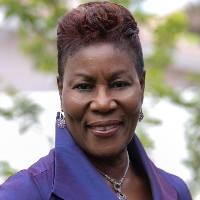
Florida · 21 yrs exp
LMHC in Florida - Addictions and Relationships
Addictions · Relationship · Family · Self esteem · +2 more
Read profile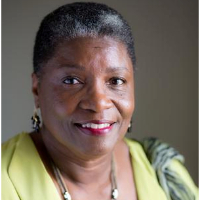
Florida · 12 yrs exp
Licensed counselor - Anxiety and relationships
Stress, Anxiety · Addictions · Parenting · Depression · +8 more
Read profile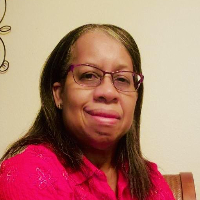
Florida · 28 yrs exp
LCSW in Florida - Mood and behavior concerns
Addictions · Trauma and abuse · Parenting · Bipolar · +15 more
Read profile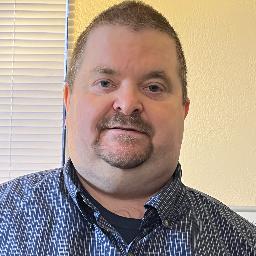
Florida · 20 yrs exp
LCSW in Florida - Anxiety and Trauma
Stress, Anxiety · Addictions · Trauma and abuse · Grief · +14 more
Read profile
Florida · 32 yrs exp
LMHC in Florida - Mood and relationship concerns
Stress, Anxiety · Relationship · Trauma and abuse · Bipolar · +8 more
Read profile
Florida · 28 yrs exp
LCSW - Anxiety and Addiction support
Stress, Anxiety · Addictions · Trauma and abuse · Self esteem · +13 more
Read profile
Florida · 8 yrs exp
Florida LMHC - Anxiety and Relationships
Stress, Anxiety · Relationship · Family · Coping with life changes · +9 more
Read profile
Florida · 20 yrs exp
LMFT - Stress and relationship concerns
Stress, Anxiety · Trauma and abuse · Anger · Self esteem · +1 more
Read profile
Florida · 20 yrs exp
Licensed Mental Health Counselor - Stress and Anxiety
Stress, Anxiety · Relationship · Grief · Self esteem · +1 more
Read profile
Florida · 40 yrs exp
LCSW - Addiction and Grief
Addictions · Relationship · Grief · Depression · +13 more
Read profile
Florida · 18 yrs exp
Dr. Nicole Thweatt LMHC - Anxiety and Relationship support
Stress, Anxiety · Parenting · Anger · Self esteem · +13 more
Read profile
Florida · 25 yrs exp
LCSW - Depression and Anxiety support
Stress, Anxiety · Addictions · Grief · Bipolar · +5 more
Read profile
Florida · 11 yrs exp
LMHC in Florida - Anxiety and Stress
Stress, Anxiety · Relationship · Family · Grief · +7 more
Read profile
Florida · 8 yrs exp
LMHC - Stress and mood concerns
Stress, Anxiety · Trauma and abuse · Parenting · Self esteem · +11 more
Read profile
Florida · 32 yrs exp
LCSW - Stress and trauma focused
Stress, Anxiety · Trauma and abuse · Grief · Depression · +14 more
Read profile
Florida · 13 yrs exp
LCSW - Stress and addiction support
Stress, Anxiety · Addictions · Relationship · Trauma and abuse · +1 more
Read profile
Florida · 24 yrs exp
Licensed counselor - Anxiety and Stress
Stress, Anxiety · Career · Depression · Coping with life changes · +12 more
Read profile
Florida · 20 yrs exp
LCSW in Florida - Anxiety and Relationship work
Stress, Anxiety · Relationship · Family · Trauma and abuse · +16 more
Read profile
Florida · 34 yrs exp
Florida LMHC - Relationships and Anxiety
Stress, Anxiety · Relationship · Trauma and abuse · Grief · +9 more
Read profile
Florida · 9 yrs exp
LMHC in Florida - Anxiety and Mood
Stress, Anxiety · Family · Parenting · Anger · +11 more
Read profile
Florida · 16 yrs exp
LCSW - Relationships and Women's Health
Stress, Anxiety · Relationship · Parenting · Self esteem · +8 more
Read profile
Florida · 13 yrs exp
LCSW - Anxiety and Relationship Concerns
Stress, Anxiety · Relationship · Trauma and abuse · Self esteem · +4 more
Read profile
Florida · 9 yrs exp
Licensed counselor - anxiety and trauma
Stress, Anxiety · Trauma and abuse · Parenting · Depression · +10 more
Read profile
Florida · 21 yrs exp
Licensed Mental Health Counselor - Mood and anxiety
Stress, Anxiety · Depression · Coping with life changes · ADHD · +12 more
Read profile
Florida · 11 yrs exp
LMHC in Florida - Trauma and anxiety care
Stress, Anxiety · Trauma and abuse · Grief · Depression · +8 more
Read profile
Florida · 20 yrs exp
LCSW - Anxiety and Trauma focus
Stress, Anxiety · Trauma and abuse · Grief · Self esteem · +9 more
Read profile
Florida · 30 yrs exp
LMHC in Florida - stress and family concerns
Stress, Anxiety · Family · Trauma and abuse · Parenting · +14 more
Read profile
Florida · 25 yrs exp
LMHC in Florida - Relationship and Mood Concerns
Stress, Anxiety · Relationship · Intimacy-related issues · Depression
Read profile
Florida · 11 yrs exp
LMFT - Relationships and Trauma
Relationship · Family · Trauma and abuse · Parenting · +14 more
Read profile
Florida · 4 yrs exp
LCSW - Stress and Anxiety
Stress, Anxiety · Parenting · Anger · Addictions · +16 more
Read profile
Florida · 40 yrs exp
LCSW - Stress and relationship concerns
Stress, Anxiety · Relationship · Family · Trauma and abuse · +8 more
Read profile
Florida · 20 yrs exp
LCSW - Stress and anxiety support
Stress, Anxiety · Family · Grief · Career · +1 more
Read profile
Florida · 42 yrs exp
LCSW - Stress and relationship support
Stress, Anxiety · Addictions · Relationship · Trauma and abuse · +15 more
Read profile
Florida · 22 yrs exp
Licensed counselor - Anxiety and trauma
Stress, Anxiety · Relationship · Family · Trauma and abuse · +10 more
Read profile
Florida · 21 yrs exp
LCSW - Stress and relationship concerns
Stress, Anxiety · Relationship · Family · Eating · +16 more
Read profile
Florida · 18 yrs exp
LMFT - Relationship and Family issues
Relationship · Family · Intimacy-related issues
Read profile
Florida · 20 yrs exp
LCSW - Anxiety and Addiction support
Stress, Anxiety · Addictions · Relationship · Trauma and abuse · +6 more
Read profile
Florida · 40 yrs exp
LCSW in Florida - mood and addiction concerns
Stress, Anxiety · Addictions · Trauma and abuse · Grief · +16 more
Read profile
Florida · 9 yrs exp
Licensed Mental Health Counselor - anxiety and mood disorders
Stress, Anxiety · Self esteem · Depression · Coping with life changes · +11 more
Read profile
Florida · 8 yrs exp
Licensed Mental Health Counselor - Stress and Anxiety
Stress, Anxiety · Family · Parenting · Self esteem · +1 more
Read profile
Florida · 6 yrs exp
LCSW - Anxiety and Family concerns
Stress, Anxiety · Family · Trauma and abuse · Grief · +13 more
Read profile
Florida · 18 yrs exp
LCSW - Stress and Addiction focus
Stress, Anxiety · Addictions · Relationship · Trauma and abuse · +6 more
Read profile
Florida · 40 yrs exp
LCSW - Anxiety and trauma focus
Stress, Anxiety · Addictions · LGBT · Relationship · +3 more
Read profile
Florida · 14 yrs exp
LMHC in Florida - Anxiety and Addiction care
Stress, Anxiety · Relationship · Trauma and abuse · Self esteem · +10 more
Read profileOnline therapy in Florida has become a common option for people seeking emotional and behavioral support without traveling to an office. State rules require that clinicians who provide ongoing therapeutic services to people located in Florida hold appropriate Florida licensure. That means when you search for an online therapist who will work with you while you are in Florida, you should expect the clinician to have a Florida license or to clearly indicate how they are authorized to serve Florida residents. The regulatory environment aims to make sure the provider meets the same standards that would apply to in-person care.
Technology has expanded the ways therapists structure sessions. Some clinicians blend video sessions with phone check-ins and messaging tools, while others use live video as the primary format. If you live in a rural community, travel frequently, or juggle a demanding schedule, online sessions can reduce the need to commute and let you connect from wherever you are located within the state. Keep in mind that individual clinicians describe their approaches and specialties in their profiles. For example, you may find therapists who list cognitive behavioral therapy among their approaches or therapists who list EMDR among their approaches. Those listings are self-reported and provide one way to compare how clinicians describe their work.
If you are considering online therapy, you may appreciate the convenience and accessibility it can provide. Online sessions let you meet with a clinician from home, work, or another setting that fits your routine. That can reduce travel time and make it easier to maintain continuity in care when life circumstances change. For caregivers, people with mobility limitations, and those living far from urban centers, virtual options often mean more realistic ways to fit therapy into a busy life.
Online therapy can also increase the range of clinicians you can consider. In Florida you may be able to connect with therapists who list specialty focuses that match your needs, who speak your preferred language, or who have experience with a particular life stage. Technology aside, the therapeutic relationship and the clinician's approach often matter more than the location of the office. You should expect to find profile information about focus areas, credentials, approaches, and the kinds of clients a clinician works with, so you can decide whether to reach out for more information.
Online therapists work with a wide range of concerns that people bring to therapy. Many Florida residents seek support for symptoms of anxiety and depression, coping with grief and loss, relationship challenges, parenting and family dynamics, stress related to work or school, and major life transitions such as relocation, retirement, or changes in family structure. You may also find clinicians who describe experience working with trauma-related issues, substance-related concerns, and chronic stress, though individual clinicians differ in their experience and focus.
When reviewing profiles you will notice different approaches listed. Some therapists list cognitive behavioral therapy among their approaches while others list psychodynamic methods, mindfulness-based approaches, or therapies that emphasize relational patterns. You may also find therapists who list EMDR among their approaches or who mention integrative frameworks. Because listings are descriptions provided by the clinician, they can help you identify likely fits, but they do not serve as proof of specific qualifications beyond the clinician's stated credentials. Use profile details to decide which clinicians you want to contact to ask more about how they work with the issues that matter to you.
Verifying a therapist's license is a practical step you can take before beginning services. Florida maintains online license lookup tools through state oversight agencies where you can enter a clinician's name or license number to confirm licensure status. When you review a public record find the clinician's license type, license number, issuance and expiration dates, and any public disciplinary actions or administrative orders. These records help you confirm that the person has the credentials they list and whether there is any public history to consider.
Keep the following in mind when you search. Use the exact name that appears on the clinician's profile and note that some clinicians use a professional name or a middle initial. If a clinician lists a license from another state, remember that to provide therapy to someone physically located in Florida the clinician generally must be authorized to practice in Florida. If you see any concerning entries in a state record or you want clarification about practice rules, the state licensing board can provide guidance. Verifying licensure does not replace asking the clinician direct questions about their training, approach, and experience, but it does offer an official baseline you can rely on when evaluating profiles.
Starting with online therapy often begins by reading clinician profiles and narrowing your choices based on the factors that matter most to you. Look for descriptions of focus areas, the approaches therapists list, stated populations they work with, and languages spoken. Pay attention to credentials such as licensed clinical social worker, licensed mental health counselor, licensed psychologist, or other state-recognized titles. While titles indicate licensure level, the narrative in a profile helps you understand how a clinician frames their work and who they tend to serve.
When you are ready to reach out, prepare a few questions to help you evaluate fit. You might ask about the clinician's experience with the issues you are facing, how they typically structure early sessions, and what methods they use to track progress. It is helpful to ask practical questions as well, such as what technology they use for sessions and whether they have any preferences about session length or format. You may want to inquire about fees, insurance terms, and how cancellations or rescheduling are handled. Asking these questions before you commit will give you a clearer picture of what to expect.
Choosing the right therapist is as much about interpersonal fit as it is about credentials. After an initial conversation or intake session, reflect on how comfortable you felt discussing personal topics, whether the clinician listened closely to your concerns, and whether their approach resonated with you. It is normal to contact more than one clinician before settling on someone you want to work with. Trust your judgment about whether a clinician's communication style, approach, and stated experience align with what you need in this moment.
Before your first appointment make sure your device is set up and your internet connection is stable. Choose a location that allows you to speak freely and that feels calm and distraction free. If you have questions about privacy features or how sessions are recorded or stored, bring those up with the clinician so you understand their practices. Have a list of topics you want to address in early sessions and consider setting a few realistic goals you can discuss together. Taking these steps can make the first conversation more productive and help you both hit the ground running.
As you compare clinicians, think about what matters most in a therapeutic relationship. Do you prioritize a clinician who lists certain therapeutic approaches among their approaches, someone who works with your age group, or a clinician who speaks your preferred language? Are issues like scheduling flexibility, session format, or fees important to you? Use the information in profiles to create a short list of clinicians whose descriptions match your priorities. Then reach out to ask questions and gauge who feels like the best match for your needs.
Online therapy can be a practical, accessible option in Florida when you take time to verify licensure, review clinician descriptions carefully, and prepare for an initial conversation. Use profile information to guide your outreach, focus your questions on what matters to you, and allow yourself the flexibility to find a clinician whose approach and communication style align with your goals. The right match often emerges when you combine careful verification with attention to interpersonal fit.
Addictions
4641 therapists
ADHD
4096 therapists
Anger
5854 therapists
Bipolar
3899 therapists
Depression
8028 therapists
Grief
6566 therapists
Guilt and Shame
5491 therapists
Isolation / Loneliness
5015 therapists
Mood Disorders
4157 therapists
OCD
2015 therapists
Panic Disorder and Panic Attacks
3550 therapists
Phobias
1439 therapists
Post-Traumatic Stress
4475 therapists
Self Esteem
7944 therapists
Sleeping Disorders
2287 therapists
Social Anxiety and Phobia
3922 therapists
Stress & Anxiety
8652 therapists
Trauma and Abuse
6823 therapists
Attachment Issues
3730 therapists
Career
5073 therapists
Caregiver Issues and Stress
4037 therapists
Communication Problems
6152 therapists
Coping with Life Changes
7511 therapists
Divorce
4069 therapists
Family
6489 therapists
Family of Origin Issues
2797 therapists
Life Purpose
5655 therapists
Parenting
5446 therapists
Relationship
7361 therapists
Self-Love
5654 therapists
Workplace Issues
4230 therapists