
Velma Jones
LCSWNew York · 29 yrs exp
LCSW in New York - Mood and relationship work
Stress, Anxiety · Relationship · Trauma and abuse · Depression · +10 more
Read profileTherapist listings are provided by BetterHelp. We will earn a commission at no additional cost to you if you use our links to purchase.
Welcome to our New York online therapist directory. All listed therapists are licensed in New York - explore profiles to compare approaches, credentials, languages, and areas of focus.
New York · 29 yrs exp
LCSW in New York - Mood and relationship work
Stress, Anxiety · Relationship · Trauma and abuse · Depression · +10 more
Read profile
New York · 24 yrs exp
LCSW in New York - anxiety and depression
Stress, Anxiety · Relationship · Anger · Self esteem · +12 more
Read profile
New York · 11 yrs exp
Licensed Mental Health Counselor - Stress and Anxiety
Stress, Anxiety · Anger · Bipolar · Depression · +11 more
Read profile
New York · 15 yrs exp
LCPC LMHC - Stress and Anxiety
Stress, Anxiety · Trauma and abuse · Grief · Self esteem · +16 more
Read profile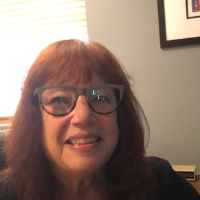
New York · 30 yrs exp
LCSW in New York - Relationships and Anxiety
Stress, Anxiety · Relationship · Parenting · Self esteem · +11 more
Read profile
New York · 10 yrs exp
LCSW - Anxiety and relationship concerns
Stress, Anxiety · Relationship · Family · Grief · +12 more
Read profile
New York · 15 yrs exp
LCSW - Anxiety and Addictions
Stress, Anxiety · Addictions · Relationship · Self esteem · +10 more
Read profile
New York · 14 yrs exp
LCSW - Stress and relationship concerns
Stress, Anxiety · Relationship · Trauma and abuse · Self esteem · +5 more
Read profile
New York · 25 yrs exp
LCSW in New York - stress and relationships
Stress, Anxiety · Relationship · Family · Trauma and abuse · +15 more
Read profile
New York · 20 yrs exp
Licensed Mental Health Counselor - stress and relationships
Stress, Anxiety · Relationship · Family · Self esteem · +15 more
Read profile
New York · 8 yrs exp
LCSW - Anxiety and Addiction support
Stress, Anxiety · Addictions · Relationship · Trauma and abuse · +12 more
Read profile
New York · 23 yrs exp
Licensed Mental Health Counselor - Stress and Anxiety
Stress, Anxiety · Trauma and abuse · Grief · Depression · +13 more
Read profile
New York · 9 yrs exp
LMHC - Anxiety and relationship concerns
Stress, Anxiety · Relationship · Parenting · Self esteem · +1 more
Read profile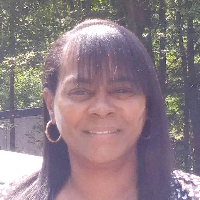
New York · 20 yrs exp
LCSW in New York - Stress and relationship help
Stress, Anxiety · Addictions · Relationship · Self esteem · +9 more
Read profile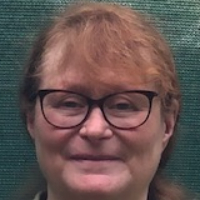
New York · 28 yrs exp
Licensed Mental Health Counselor - Stress and Anxiety
Stress, Anxiety · Family · Grief · Depression · +4 more
Read profile
New York · 11 yrs exp
LMHC in New York - Stress and Anxiety
Stress, Anxiety · Family · Eating · Anger · +6 more
Read profile
New York · 7 yrs exp
LMHC - Relationships and Addictions
Addictions · Relationship · Intimacy-related issues · Self esteem · +3 more
Read profile
New York · 40 yrs exp
LCSW-R in New York - Stress and anxiety
Stress, Anxiety · Addictions · Grief · Self esteem · +1 more
Read profile
New York · 23 yrs exp
LMHC in New York - mood and workplace issues
Stress, Anxiety · Addictions · Career · Depression · +10 more
Read profile
New York · 30 yrs exp
Licensed Clinical Social Worker - Grief and Anxiety
Stress, Anxiety · Grief · Self esteem · Depression · +13 more
Read profile
New York · 7 yrs exp
Licensed Mental Health Counselor - Anxiety and Relationship Concerns
Stress, Anxiety · LGBT · Self esteem · Depression · +14 more
Read profile
New York · 12 yrs exp
Licensed Clinical Social Worker - Addictions and Mood Concerns
Addictions · Trauma and abuse · Anger · Self esteem · +10 more
Read profile
New York · 15 yrs exp
LMFT - Relationships and Parenting
Relationship · Family · Grief · Parenting · +12 more
Read profile
New York · 17 yrs exp
LCSW-R in New York - Anxiety and Addictions
Stress, Anxiety · Addictions · Trauma and abuse · Grief · +3 more
Read profile
New York · 4 yrs exp
Licensed Mental Health Counselor - relationships and anxiety
Stress, Anxiety · Relationship · Family · Self esteem · +10 more
Read profile
New York · 25 yrs exp
LCSW in New York - stress and relationships
Stress, Anxiety · Relationship · Family · Grief · +12 more
Read profile
New York · 6 yrs exp
LMHC in New York - Anxiety and Depression
Stress, Anxiety · Family · Self esteem · Depression · +16 more
Read profile
New York · 26 yrs exp
LCSW-R focused on anxiety and relationships
Stress, Anxiety · Relationship · Family · Trauma and abuse · +1 more
Read profile
New York · 25 yrs exp
Licensed Clinical Social Worker - Anxiety and Relationships
Stress, Anxiety · Relationship · Family · Trauma and abuse · +3 more
Read profile
New York · 21 yrs exp
LMHC in New York - Stress and anxiety
Stress, Anxiety · Addictions · Anger · Self esteem · +5 more
Read profile
New York · 12 yrs exp
Licensed clinical social worker - life transitions, career
Addictions · Career · Coping with life changes · Coaching · +4 more
Read profile
New York · 14 yrs exp
LCSW - Anxiety and Addiction support
Stress, Anxiety · Addictions · Relationship · Bipolar · +15 more
Read profile
New York · 7 yrs exp
LCSW - Stress and relationship focus
Stress, Anxiety · Relationship · Family · Self esteem · +1 more
Read profile
New York · 30 yrs exp
NY Psychoanalyst - Mood and relationship concerns
Stress, Anxiety · Relationship · Trauma and abuse · Grief · +1 more
Read profile
New York · 8 yrs exp
LCSW in New York - Anxiety and Stress
Stress, Anxiety · Family · Self esteem · Depression · +1 more
Read profile
New York · 8 yrs exp
LMHC, LPC - Stress and mood concerns
Stress, Anxiety · Trauma and abuse · Bipolar · Depression · +1 more
Read profile
New York · 7 yrs exp
LMHC - Relationships and Trauma
Relationship · Family · Trauma and abuse · Self esteem · +1 more
Read profile
New York · 20 yrs exp
Licensed mental health counselor - Mood and anxiety care
Stress, Anxiety · Career · Bipolar · Depression · +1 more
Read profile
New York · 31 yrs exp
Licensed Clinical Social Worker - Anxiety and Trauma
Stress, Anxiety · Relationship · Trauma and abuse · Self esteem · +1 more
Read profile
New York · 15 yrs exp
Licensed Mental Health Counselor - Mood and Trauma
Stress, Anxiety · Trauma and abuse · Parenting · Self esteem · +3 more
Read profile
New York · 11 yrs exp
LCSW - Anxiety and trauma focused
Stress, Anxiety · Trauma and abuse · Career · Depression · +1 more
Read profile
New York · 18 yrs exp
LMFT - Stress and Relationship Concerns
Stress, Anxiety · Family · Grief · Coping with life changes
Read profile
New York · 30 yrs exp
Licensed LMFT - Relationships and Mood
Addictions · Relationship · Family · Parenting · +7 more
Read profile
New York · 20 yrs exp
Licensed mental health counselor - anxiety and family issues
Stress, Anxiety · Family · Parenting · Self esteem · +10 more
Read profile
New York · 11 yrs exp
Licensed Mental Health Counselor - Anxiety and Addictions
Stress, Anxiety · Addictions · Self esteem · Depression · +7 more
Read profile
New York · 26 yrs exp
Licensed Clinical Social Worker - Anxiety and Relationships
Stress, Anxiety · Relationship · Parenting · Self esteem · +12 more
Read profile
New York · 14 yrs exp
LMHC in New York - Anxiety and Relationship concerns
Stress, Anxiety · Relationship · Family · Parenting · +9 more
Read profile
New York · 30 yrs exp
LCSW-R - Anxiety and Relationship Support
Stress, Anxiety · Relationship · Parenting · Self esteem · +6 more
Read profile
New York · 23 yrs exp
LICSW therapist - Trauma and parenting focus
Trauma and abuse · Parenting · Depression · Coping with life changes · +1 more
Read profile
New York · 10 yrs exp
LCSW - Stress and Anxiety focus
Stress, Anxiety · LGBT · Sleeping · Anger · +7 more
Read profile
New York · 23 yrs exp
LCSW in New York - stress and anxiety support
Stress, Anxiety · Relationship · Trauma and abuse · Self esteem · +9 more
Read profile
New York · 13 yrs exp
LMHC in New York - Relationships and Trauma
Relationship · Trauma and abuse · Grief · Self esteem · +9 more
Read profile
New York · 8 yrs exp
LMHC - Relationships and Trauma
Relationship · Trauma and abuse · Self esteem · Depression · +11 more
Read profile
New York · 18 yrs exp
LMFT - Relationships and Anxiety
Stress, Anxiety · Relationship · Family · Intimacy-related issues · +12 more
Read profile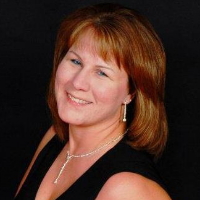
New York · 9 yrs exp
LMHC in New York - Stress and Relationship Concerns
Stress, Anxiety · Relationship · Family · Parenting · +10 more
Read profile
New York · 23 yrs exp
Dr. Victor Franco, LMHC - Stress and Trauma
Stress, Anxiety · Addictions · LGBT · Trauma and abuse · +11 more
Read profile
New York · 22 yrs exp
LCSW-R helping with anxiety and life changes
Stress, Anxiety · Grief · Sleeping · Parenting · +10 more
Read profile
New York · 10 yrs exp
LMHC in New York - Stress and Anxiety
Stress, Anxiety · Grief · Self esteem · Depression · +11 more
Read profile
New York · 10 yrs exp
LMHC - Anxiety and Life Change
Stress, Anxiety · Self esteem · Coping with life changes · Addictions · +13 more
Read profile
New York · 15 yrs exp
LMHC in New York - Anxiety and Relationships
Stress, Anxiety · Relationship · Trauma and abuse · Self esteem · +12 more
Read profileIf you are looking for therapy from a New York address, you will find a range of mental health professionals offering remote sessions by video or phone. Online therapy in New York includes clinicians who identify as psychologists, licensed clinical social workers, mental health counselors, marriage and family therapists, and other licensed providers who work with adults, adolescents, couples, and families. Many professionals describe their methods and areas of emphasis in their profiles so you can learn whether they mention cognitive behavioral approaches, psychodynamic work, mindfulness-based practices, or other models. Some therapists list EMDR among their approaches, others list IFS among their approaches, and many describe integrative or eclectic styles that draw from multiple methods.
Because licensing rules affect where a therapist can practice, it is common for New York residents to choose clinicians who are licensed to serve clients in New York. Online therapy can be delivered across different parts of the state, whether you are in an urban neighborhood, a suburban community, or a more rural region. The online format changes some logistics while keeping the therapeutic relationship and clinical goals central to the work.
Online therapy can make it easier for you to connect with a therapist who matches your needs without the commute. If travel time, mobility limitations, or scheduling constraints matter to you, remote sessions reduce the time spent getting to and from an office and let you focus on the work itself. The online option also widens the pool of clinicians you can consider, so you may find professionals who list specific cultural, language, or life-experience alignments that matter to you.
Another advantage is continuity of care across life transitions. If you move within New York or spend time in different parts of the state for work or family reasons, having online sessions can help maintain momentum in therapy. The format supports many therapeutic goals - symptom management, relationship work, grief processing, trauma-focused interventions, life-stage transitions, and skills-based approaches - depending on the clinician you choose and the approaches they list. You will want to select a therapist whose profile describes practice areas and modalities that resonate with your goals.
Therapists in New York treat a wide range of concerns through online work. Many clinicians assist people who are managing anxiety, depression, stress related to work or school, relationship challenges, parenting concerns, and life transitions such as career change or relocation. There are also therapists who focus on trauma-related difficulties, grief, and loss, as well as those who support people with concerns related to identity, sexuality, and gender. If you are navigating immigration-related stressors, cultural adjustment, or intergenerational family dynamics, you will find clinicians who describe these areas in their profiles.
Different clinicians emphasize different methods. Some list cognitive behavioral approaches as a core method, others describe acceptance and commitment approaches or dialectical-style work, and some list EMDR among their approaches for trauma-focused care. There are therapists who list family or couples therapy approaches for relationship work, and others who list somatic or mindfulness-informed techniques. When you review profiles, notice how clinicians frame the problems they help with and whether they mention populations they commonly work with, such as adolescents, parents, older adults, veterans, or members of specific cultural communities.
When you find a therapist who looks like a good match, it is useful to confirm licensure details so you know they are authorized to practice in New York. A typical verification will include the clinician's license type, license number, license status, and any public disciplinary history. You can ask the clinician for their professional license number and the exact name under which they are registered, then use the official state license lookup tools to confirm those details. This step helps you understand whether the professional holds the license category you expect, such as psychologist, licensed clinical social worker, or licensed mental health counselor.
Licensing is jurisdiction-based, which means therapists provide services only in places where they are authorized to practice. If you are located in New York when you receive services, choose a clinician who is licensed to practice in New York. If you move temporarily or spend extended time outside the state, clarifying licensure and practice jurisdiction with a clinician helps you avoid regulatory issues. If anything in the licensure record is unclear, the state licensing board or licensing lookup pages can provide authoritative information and next steps for verification.
Starting online therapy begins with clarifying your goals. Think about why you are seeking support - whether you want symptom relief, skills for coping, help with relationships, or a space to explore identity and values. Use those goals to filter profiles by approaches, populations, language, and focus areas. Read biographies carefully to learn how each clinician describes their approach. Some therapists list specific approaches, such as cognitive behavioral approaches or psychodynamic work; others describe a strengths-based or trauma-informed orientation.
Before your first appointment, set aside a private space where you feel comfortable and will not be interrupted. Make sure your device and internet connection are functioning and that you have whatever materials you might want nearby - notes about goals, a list of medications if relevant, and questions you want to ask. Consider practical questions you want to cover in the initial session, such as how the clinician measures progress, session length, fee arrangements, and whether they work with insurance. It is appropriate to ask about the clinician's experience working with the particular issues you face; many profiles highlight populations or concerns a therapist commonly addresses.
Choosing a therapist is a personal process. Look for clinicians whose profiles reflect language and emphases that feel relatable to you. If cultural competence, shared identity, or language match matter, seek therapists who list those attributes. Consider the therapeutic approaches described and whether their language about change aligns with how you prefer to work. For example, some people prefer structured skills-based work and might be drawn to clinicians who list cognitive behavioral approaches, while others prefer exploratory or relational work and will look for clinicians who describe those orientations.
Trust your instincts during initial contacts. The working relationship - how comfortable you feel, how clearly the clinician listens and responds, and whether their style matches your expectations - often matters more than any single credential. It is also reasonable to ask practical questions about session length, fee policies, and how progress is tracked. Keep in mind that finding the right fit can take time, and many people adjust their approach as needs change. Use profile details to narrow choices and then rely on your experience with the clinician in early sessions to determine whether the match feels right.
Online therapy in New York offers flexibility and access to clinicians with varied approaches and experience. By reviewing profiles, verifying licensure, clarifying your goals, and preparing thoughtfully for the first session, you can select a clinician whose methods and background align with what you want to work on. Take the time to read descriptions, note which therapists list approaches that appeal to you, and prioritize a relationship where you feel heard and understood as you begin this work.
Addictions
4641 therapists
ADHD
4096 therapists
Anger
5854 therapists
Bipolar
3899 therapists
Depression
8028 therapists
Grief
6566 therapists
Guilt and Shame
5491 therapists
Isolation / Loneliness
5015 therapists
Mood Disorders
4157 therapists
OCD
2015 therapists
Panic Disorder and Panic Attacks
3550 therapists
Phobias
1439 therapists
Post-Traumatic Stress
4475 therapists
Self Esteem
7944 therapists
Sleeping Disorders
2287 therapists
Social Anxiety and Phobia
3922 therapists
Stress & Anxiety
8652 therapists
Trauma and Abuse
6823 therapists
Attachment Issues
3730 therapists
Career
5073 therapists
Caregiver Issues and Stress
4037 therapists
Communication Problems
6152 therapists
Coping with Life Changes
7511 therapists
Divorce
4069 therapists
Family
6489 therapists
Family of Origin Issues
2797 therapists
Life Purpose
5655 therapists
Parenting
5446 therapists
Relationship
7361 therapists
Self-Love
5654 therapists
Workplace Issues
4230 therapists