
Menachem Stulberger
LMFTCalifornia · 12 yrs exp
Licensed Marriage and Family Therapist - Anxiety and Relationships
Stress, Anxiety · Family · Parenting · Self esteem · +8 more
Read profileTherapist listings are provided by BetterHelp. We will earn a commission at no additional cost to you if you use our links to purchase.
Welcome to our California online therapy directory. All therapists listed here are licensed to practice in California - browse profiles to learn about specialties, therapeutic approaches, languages and credentials.
Use the listings below to explore options and connect with a therapist whose skills and experience match what you are looking for.
California · 12 yrs exp
Licensed Marriage and Family Therapist - Anxiety and Relationships
Stress, Anxiety · Family · Parenting · Self esteem · +8 more
Read profile
California · 20 yrs exp
Licensed Clinical Social Worker - Stress and Relationship concerns
Stress, Anxiety · Relationship · Family · Parenting · +15 more
Read profile
California · 10 yrs exp
California LCSW - stress and trauma support
Stress, Anxiety · Addictions · Parenting · Self esteem · +12 more
Read profile
California · 23 yrs exp
LCSW - stress and relationships
Stress, Anxiety · Relationship · Self esteem · Depression · +8 more
Read profile
California · 10 yrs exp
LMFT in California - Stress and Relationship Concerns
Stress, Anxiety · Addictions · Trauma and abuse · Self esteem · +15 more
Read profile
California · 25 yrs exp
LCSW - Addictions and Trauma
Addictions · Trauma and abuse · Grief · Parenting · +1 more
Read profile
California · 30 yrs exp
LMFT - Relationships and Mood
Stress, Anxiety · Addictions · Relationship · Trauma and abuse · +11 more
Read profile
California · 24 yrs exp
LCSW - Depression and Relationship Concerns
Addictions · Relationship · Family · Trauma and abuse · +14 more
Read profile
California · 12 yrs exp
Licensed Marriage and Family Therapist - Anxiety and Relationship Help
Stress, Anxiety · Addictions · LGBT · Relationship · +16 more
Read profile
California · 8 yrs exp
LMFT focused on stress and anxiety
Stress, Anxiety · Family · Parenting · Self esteem · +1 more
Read profile
California · 8 yrs exp
LMFT in California - Anxiety and Relationships
Stress, Anxiety · Relationship · Self esteem · Depression · +1 more
Read profile
California · 30 yrs exp
LCSW - Relationships and Life Changes
Relationship · Intimacy-related issues · Self esteem · Career · +6 more
Read profile
California · 24 yrs exp
LMFT in California - Young adults and parents
Stress, Anxiety · Family · Parenting · Self esteem · +1 more
Read profile
California · 23 yrs exp
LCSW - Relationships and Mood
Relationship · Grief · Self esteem · Depression · +6 more
Read profile
California · 6 yrs exp
LMFT - Stress and Relationship Concerns
Stress, Anxiety · Relationship · Family · Depression · +1 more
Read profile
California · 5 yrs exp
LCSW - anxiety and relationship concerns
Stress, Anxiety · Relationship · Self esteem · Depression · +5 more
Read profile
California · 3 yrs exp
Licensed Clinical Social Worker - Anxiety and Trauma
Stress, Anxiety · Trauma and abuse · Grief · Parenting · +1 more
Read profile
California · 10 yrs exp
Licensed Clinical Social Worker - Anxiety and Addiction
Stress, Anxiety · Addictions · Trauma and abuse · Self esteem · +11 more
Read profile
California · 5 yrs exp
LMFT - Anxiety and Trauma care
Stress, Anxiety · Addictions · Relationship · Coping with life changes · +9 more
Read profile
California · 25 yrs exp
LCSW - Anxiety and Depression
Stress, Anxiety · Self esteem · Depression
Read profile
California · 6 yrs exp
Licensed Marriage and Family Therapist - Relationships and Trauma
Relationship · Family · Trauma and abuse · Intimacy-related issues · +5 more
Read profile
California · 5 yrs exp
LCSW - Anxiety and Depression focus
Stress, Anxiety · Relationship · Self esteem · Depression · +1 more
Read profile
California · 20 yrs exp
LMFT - Relationships and Stress
Stress, Anxiety · Relationship · Trauma and abuse · Depression · +12 more
Read profile
California · 10 yrs exp
LMFT - Anxiety and Relationship concerns
Stress, Anxiety · Relationship · Self esteem · Depression · +10 more
Read profile
California · 21 yrs exp
Licensed Clinical Social Worker - Relationships and Trauma
Stress, Anxiety · Relationship · Family · Trauma and abuse · +9 more
Read profile
California · 24 yrs exp
LMFT in California - Stress and relationships
Stress, Anxiety · Family · Parenting · Self esteem · +12 more
Read profile
California · 21 yrs exp
Licensed Marriage and Family Therapist - Addictions and Relationships
Addictions · Relationship · Trauma and abuse · Grief · +13 more
Read profile
California · 20 yrs exp
Dr. Christopher Fragiskatos LMFT - Relationships and Parenting
Relationship · Family · Parenting · Self esteem · +4 more
Read profile
California · 14 yrs exp
Licensed counselor - relationships and anxiety
Stress, Anxiety · Relationship · Family · Intimacy-related issues · +9 more
Read profile
California · 19 yrs exp
LMFT - Relationships and Stress
Stress, Anxiety · Relationship · Family · Trauma and abuse · +11 more
Read profile
California · 18 yrs exp
California LMFT - Stress and relationships
Stress, Anxiety · Relationship · Family · Trauma and abuse · +9 more
Read profile
California · 31 yrs exp
California LMFT - anxiety and addiction
Stress, Anxiety · Addictions · Relationship · Trauma and abuse · +15 more
Read profile
California · 9 yrs exp
LPCC in California and Minnesota - Anxiety and Trauma
Stress, Anxiety · Relationship · Trauma and abuse · Self esteem · +14 more
Read profile
California · 20 yrs exp
Dr. Wanda Boutte LCSW - Mood and relationship concerns
LGBT · Family · Grief · Eating · +16 more
Read profile
California · 30 yrs exp
LMFT - Relationships and Stress
Stress, Anxiety · Relationship · Self esteem · Career · +11 more
Read profile
California · 15 yrs exp
LMFT - Addictions and Relationship work
Addictions · Relationship · Trauma and abuse · Grief · +9 more
Read profile
California · 18 yrs exp
LMFT - relationships and trauma
Relationship · Family · Trauma and abuse · Grief · +13 more
Read profile
California · 14 yrs exp
Licensed Clinical Social Worker - Anxiety and Depression
Stress, Anxiety · Relationship · Grief · Depression · +11 more
Read profile
California · 11 yrs exp
Licensed therapist - Relationships and mood
Addictions · LGBT · Relationship · Depression · +9 more
Read profile
California · 10 yrs exp
LMFT - Relationships and Trauma
Relationship · Family · Trauma and abuse · Parenting · +10 more
Read profile
California · 30 yrs exp
LCSW - Stress and relationship concerns
Stress, Anxiety · Relationship · Grief · Self esteem · +13 more
Read profile
California · 14 yrs exp
LMFT - Stress and Anxiety support
Stress, Anxiety · Grief · Self esteem · Depression · +8 more
Read profile
California · 8 yrs exp
LMFT - Anxiety and Relationship Concerns
LGBT · Trauma and abuse · Intimacy-related issues · Self esteem · +13 more
Read profile
California · 15 yrs exp
Licensed Marriage and Family Therapist - Anxiety and Relationships
Stress, Anxiety · Relationship · Family · Depression · +12 more
Read profile
California · 15 yrs exp
LMFT focused on CBT and relationship work
Stress, Anxiety · Relationship · Trauma and abuse · Self esteem · +15 more
Read profile
California · 8 yrs exp
LMFT - Anxiety and Relationship Concerns
Stress, Anxiety · Addictions · Family · Self esteem · +12 more
Read profile
California · 12 yrs exp
LMFT in California - Anxiety and Trauma
Stress, Anxiety · Family · Trauma and abuse · Anger · +10 more
Read profile
California · 32 yrs exp
LMFT - Relationships and Anxiety
Stress, Anxiety · Relationship · Parenting · Depression · +12 more
Read profile
California · 30 yrs exp
Licensed counselor - Anxiety and LGBT support
Stress, Anxiety · LGBT · Self esteem · Depression · +13 more
Read profile
California · 30 yrs exp
LCSW - grief and trauma support
Stress, Anxiety · Trauma and abuse · Grief · Depression · +14 more
Read profile
California · 15 yrs exp
LMHC LPC - Stress and Anxiety
Stress, Anxiety · Relationship · Trauma and abuse · Depression · +10 more
Read profile
California · 15 yrs exp
LMFT - Anxiety and Trauma care
Stress, Anxiety · Trauma and abuse · Eating · Bipolar · +13 more
Read profile
California · 20 yrs exp
LMFT - Stress and Relationships
Stress, Anxiety · Relationship · Intimacy-related issues · Career · +14 more
Read profile
California · 8 yrs exp
Licensed counselor - LGBT and mood concerns
LGBT · Self esteem · Bipolar · Coping with life changes · +7 more
Read profile
California · 14 yrs exp
LMFT - anxiety and relationship support
Stress, Anxiety · Relationship · Family · Trauma and abuse · +12 more
Read profile
California · 7 yrs exp
Licensed Marriage and Family Therapist - Mood and life changes
Bipolar · Depression · Coping with life changes · Compassion fatigue · +6 more
Read profile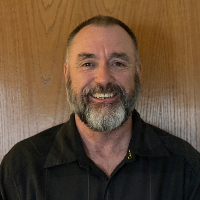
California · 22 yrs exp
LMFT - Trauma and Mood Concerns
Stress, Anxiety · Family · Trauma and abuse · Self esteem · +14 more
Read profile
California · 14 yrs exp
LCSW - Mood and trauma focused
Stress, Anxiety · Trauma and abuse · Grief · Depression · +11 more
Read profile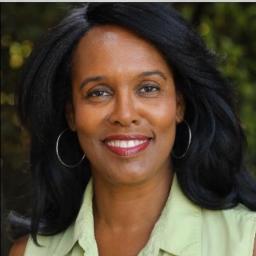
California · 24 yrs exp
LCSW - Anxiety and relationship concerns
Stress, Anxiety · LGBT · Relationship · Anger · +10 more
Read profile
California · 41 yrs exp
LMFT in California - Addiction and Relationship work
Addictions · Relationship · Intimacy-related issues · Stress, Anxiety · +13 more
Read profileIf you live in California, online therapy has become a common option for receiving mental health care. Providers across the state offer services through video sessions, phone calls and messaging, which can make it easier for you to fit therapy into a busy schedule, reach clinicians outside your immediate area and connect with practitioners who share your language or cultural background. Regulations in California require that clinicians who provide therapy to California residents hold a valid California license for the type of service they deliver. The therapists listed in this directory meet that requirement and present information about their approaches, credentials and areas of focus so you can decide whether to reach out.
Because online therapy spans many professional roles, you will encounter licensed psychologists, marriage and family therapists, licensed clinical social workers and licensed professional clinical counselors who serve California residents. Some clinicians describe a range of approaches they use and populations they work with. That variety means you can look for clinicians who list approaches that resonate with you, or who describe experience with issues similar to yours. Keep in mind that the listing shows what a therapist shares about their practice and style rather than a formal endorsement by this site.
Online therapy offers several practical benefits that many Californians find helpful. If you live in a rural community, on an island, or in a region with limited in-person services, virtual sessions can expand the number of clinicians you can consider. You may also find it easier to schedule appointments around work, school or caregiving responsibilities when travel time is removed. For people who move frequently for school or work within California, continuing with the same clinician is often simpler when sessions are conducted remotely.
Beyond convenience, you may discover a broader cultural or linguistic match when you search statewide. A therapist who speaks your language or shares your cultural background may not be available in your neighborhood but could be available online. Many clinicians also highlight familiarity with specific life stages or identity issues, and those details can help you find someone whose focus aligns with your needs. While online therapy suits many people, you should also consider factors such as your comfort with technology, the type of issue you want to address and any local resources you may want to combine with virtual care.
Online therapists in California work with a wide range of concerns similar to those addressed in traditional in-person work. You can expect to find clinicians who list experience with relationship challenges, anxiety and stress management, mood concerns, grief and loss, life transitions, parenting support, and identity-related matters. Many therapists also indicate that they work with workplace stress, school-related issues, family dynamics and coping strategies for chronic health conditions. When reviewing profiles, you will often see therapists note particular populations they serve, such as adolescents, adults, seniors, couples or parents, and languages they use in sessions.
Therapeutic approaches vary and are often described on clinician profiles. Some therapists list cognitive-behavioral methods among their approaches, others list psychodynamic, humanistic, somatic or experiential approaches, and some include modalities such as mindfulness-based work. You might also find therapists who list trauma-focused approaches such as EMDR among their approaches. Remember that a therapist listing an approach indicates they incorporate it into their practice rather than demonstrating a specific credential in that method. When your concerns are complex or involve co-occurring medical needs, you may decide to coordinate care with a physician, psychiatrist or other health professionals while receiving psychotherapy.
Verifying a therapist's license is an important step before beginning services. In California, several state boards handle licensing for different professions. The California Board of Psychology maintains records for licensed psychologists, while the Board of Behavioral Sciences oversees licensed marriage and family therapists, licensed clinical social workers and licensed professional clinical counselors. If you are considering a clinician who holds a medical degree and practices psychiatry, the Medical Board of California is the appropriate place to check. Each board provides online search tools where you can enter a practitioner's name or license number to confirm their current license status, expiration date and any disciplinary history.
When you search a state board database, look for the exact license type listed on the clinician's profile and verify that the status is active. The public record will often include the license number and any formal actions or restrictions. If anything in the online record is unclear, you can contact the licensing board directly to request clarification. Keeping a record of the license number and the date you verified the information can be helpful. Verifying licensure helps ensure that the clinician meets state standards for practice, and it gives you a starting point for questions about professional background and practice scope.
Beginning online therapy often starts with clarifying your goals. Think about what you want from therapy - symptom relief, improved relationships, better coping skills, or long-term personal growth. Use those goals to guide which profiles you explore, focusing on clinicians who list relevant specialties and populations. Read clinician bios to learn how they describe their approach and the kinds of issues they commonly work with. When you find therapists who seem like a match, reach out using the contact method indicated on their profile to request an initial conversation or intake information. That first contact is an opportunity to ask about session structure, typical length, fees and whether they work in languages you prefer.
Choosing a therapist often comes down to fit as much as credentials. Pay attention to how a clinician communicates in their profile and during your initial inquiries. Do they describe a style that feels like it would suit you - active and structured, reflective and exploratory, or solution-focused? Consider practical matters such as whether they list experience with the life stage or challenge you are facing and whether they provide services in the language you prefer. Cultural competence and understanding of identity-related issues can matter a great deal, so look for clinicians who explicitly mention working with clients from similar backgrounds or who speak your language.
During an initial consultation, you can learn about the therapist's approach to goals and progress, and you should feel able to ask about information-sharing boundaries protections, session logistics and payment methods. Some therapists outline sliding scale options, insurance billing practices or self-pay rates on their profiles. It is reasonable to inquire about how notes and records are handled and what to expect if you need to pause or change the frequency of sessions. Trust your sense of rapport - feeling heard and respected during early interactions is often an indicator that the therapeutic relationship will be productive. If after a few sessions you do not feel the connection is right, that is a normal part of the process and you can look for another clinician whose approach better aligns with your needs.
Finally, balance your search between objective indicators such as license verification and credentials and subjective indicators such as comfort and communication style. Taking the time to reflect on what matters most for you - whether that is a particular therapeutic approach, a therapist who shares your language, or someone experienced with a specific life challenge - will help you use the directory effectively to find clinicians who fit your needs.
Addictions
4641 therapists
ADHD
4096 therapists
Anger
5854 therapists
Bipolar
3899 therapists
Depression
8028 therapists
Grief
6566 therapists
Guilt and Shame
5491 therapists
Isolation / Loneliness
5015 therapists
Mood Disorders
4157 therapists
OCD
2015 therapists
Panic Disorder and Panic Attacks
3550 therapists
Phobias
1439 therapists
Post-Traumatic Stress
4475 therapists
Self Esteem
7944 therapists
Sleeping Disorders
2287 therapists
Social Anxiety and Phobia
3922 therapists
Stress & Anxiety
8652 therapists
Trauma and Abuse
6823 therapists
Attachment Issues
3730 therapists
Career
5073 therapists
Caregiver Issues and Stress
4037 therapists
Communication Problems
6152 therapists
Coping with Life Changes
7511 therapists
Divorce
4069 therapists
Family
6489 therapists
Family of Origin Issues
2797 therapists
Life Purpose
5655 therapists
Parenting
5446 therapists
Relationship
7361 therapists
Self-Love
5654 therapists
Workplace Issues
4230 therapists