Angela Marshall
LPCVirginia · 19 yrs exp
Licensed Professional Counselor - Anxiety and Life Changes
Stress, Anxiety · Grief · Self esteem · Depression · +11 more
Read profileTherapist listings are provided by BetterHelp. We will earn a commission at no additional cost to you if you use our links to purchase.
Welcome to our directory of online therapists serving Virginia. All therapists listed here are licensed in Virginia - explore profiles to find practitioners whose focus areas, approaches, credentials, languages, and experience align with your needs.
Virginia · 19 yrs exp
Licensed Professional Counselor - Anxiety and Life Changes
Stress, Anxiety · Grief · Self esteem · Depression · +11 more
Read profile
Virginia · 47 yrs exp
LCSW - Depression and Anxiety
Stress, Anxiety · Relationship · Grief · Self esteem · +10 more
Read profile
Virginia · 13 yrs exp
LPC in Virginia - Anxiety and Stress
Stress, Anxiety · Anger · Self esteem · Depression · +9 more
Read profile
Virginia · 10 yrs exp
LICSW counselor - relationships and trauma
Relationship · Trauma and abuse · Self esteem · Depression · +5 more
Read profile
Virginia · 4 yrs exp
LCSW - Stress and anxiety support
Stress, Anxiety · Grief · Anger · Self esteem · +10 more
Read profile
Virginia · 7 yrs exp
Licensed counselor - Anxiety and addiction
Stress, Anxiety · Addictions · LGBT · Relationship · +5 more
Read profile
Virginia · 27 yrs exp
Licensed Professional Counselor - Stress and Addiction
Stress, Anxiety · Addictions · Anger · Self esteem · +9 more
Read profile
Virginia · 40 yrs exp
LCSW - Stress and Addiction support
Stress, Anxiety · Addictions · Trauma and abuse · Grief · +16 more
Read profile
Virginia · 11 yrs exp
LCSW - Stress and mood concerns
Stress, Anxiety · Relationship · Family · Intimacy-related issues · +11 more
Read profile
Virginia · 10 yrs exp
Licensed clinical social worker - anxiety and relationships
Stress, Anxiety · Relationship · Family · Self esteem · +7 more
Read profile
Virginia · 15 yrs exp
LCSW - Anxiety and Depression
Stress, Anxiety · Relationship · Intimacy-related issues · Self esteem · +12 more
Read profile
Virginia · 11 yrs exp
Licensed Professional Counselor - Addictions and Mood
Stress, Anxiety · Addictions · Grief · Self esteem · +11 more
Read profile
Virginia · 24 yrs exp
Licensed counselor - Anxiety and addiction
Stress, Anxiety · Addictions · Family · Self esteem · +3 more
Read profile
Virginia · 4 yrs exp
LCSW - Anxiety and Relationship concerns
Stress, Anxiety · Relationship · Family · Grief · +7 more
Read profile
Virginia · 3 yrs exp
LPC in Virginia - anxiety and life changes
Stress, Anxiety · Self esteem · Depression · Coping with life changes · +9 more
Read profile
Virginia · 7 yrs exp
LPC in Virginia - stress and trauma focus
Stress, Anxiety · Family · Trauma and abuse · Self esteem · +1 more
Read profile
Virginia · 8 yrs exp
Licensed Clinical Social Worker - mood and anxiety
Stress, Anxiety · Self esteem · Bipolar · Depression · +8 more
Read profile
Virginia · 24 yrs exp
Licensed Professional Counselor - Addictions and Mood Disorders
Addictions · LGBT · Trauma and abuse · Grief · +10 more
Read profile
Virginia · 12 yrs exp
LCSW - Anxiety and Relationship Concerns
Stress, Anxiety · Relationship · Family · Self esteem · +8 more
Read profile
Virginia · 15 yrs exp
LCMHC LPC - Anxiety and Mood Concerns
Stress, Anxiety · Anger · Self esteem · Depression · +6 more
Read profile
Virginia · 13 yrs exp
LPC in Virginia - Trauma and relationships
Stress, Anxiety · Relationship · Trauma and abuse · Intimacy-related issues · +11 more
Read profile
Virginia · 12 yrs exp
LCMHC LPC - Stress and relationship issues
Stress, Anxiety · Relationship · Anger · Self esteem · +16 more
Read profile
Virginia · 9 yrs exp
Licensed Professional Counselor - Relationships and Anxiety
Stress, Anxiety · Relationship · Self esteem · Depression · +7 more
Read profile
Virginia · 8 yrs exp
Licensed Professional Counselor - Anxiety and Addictions
Stress, Anxiety · Addictions · LGBT · Self esteem · +12 more
Read profile
Virginia · 14 yrs exp
LCSW - relationships and parenting
Relationship · Family · Parenting · Self esteem · +6 more
Read profile
Virginia · 26 yrs exp
LCSW - Anxiety and Depression
Stress, Anxiety · Addictions · Anger · Bipolar · +14 more
Read profile
Virginia · 4 yrs exp
LCSW - Anxiety and Depression
Stress, Anxiety · Self esteem · Career · Depression · +12 more
Read profile
Virginia · 16 yrs exp
LCSW - Stress and Anxiety focus
Stress, Anxiety · Grief · Self esteem · Depression · +12 more
Read profile
Virginia · 13 yrs exp
Licensed Professional Counselor - Stress and Anxiety
Stress, Anxiety · Trauma and abuse · Anger · Self esteem · +11 more
Read profile
Virginia · 16 yrs exp
LCSW - Addictions and mood concerns
Addictions · Trauma and abuse · Depression · Stress, Anxiety · +7 more
Read profile
Virginia · 15 yrs exp
Venise Darisme, LCMHC LPC - CBT and trauma-focused care
Stress, Anxiety · Grief · Eating · Career · +13 more
Read profile
Virginia · 35 yrs exp
LCSW - Mood and stress concerns
Stress, Anxiety · Trauma and abuse · Grief · Depression · +12 more
Read profile
Virginia · 13 yrs exp
LCSW in Virginia - Stress and Mood Concerns
Stress, Anxiety · Addictions · Depression · Relationship · +8 more
Read profile
Virginia · 28 yrs exp
Licensed counselor - anxiety and mood concerns
Stress, Anxiety · Relationship · Family · Depression · +12 more
Read profile
Virginia · 5 yrs exp
LPC in Virginia - stress and anxiety focus
Stress, Anxiety · Trauma and abuse · Grief · Self esteem · +8 more
Read profile
Virginia · 3 yrs exp
Licensed Professional Counselor - Anxiety and Trauma
Stress, Anxiety · Trauma and abuse · Self esteem · Depression · +11 more
Read profile
Virginia · 9 yrs exp
Licensed Professional Counselor - Anxiety and Mood
Stress, Anxiety · LGBT · Self esteem · Bipolar · +11 more
Read profile
Virginia · 12 yrs exp
Licensed Professional Counselor - Relationships and Grief
Relationship · Grief · Stress, Anxiety · Family · +6 more
Read profile
Virginia · 6 yrs exp
LCSW - Stress and Trauma support
Stress, Anxiety · Addictions · Trauma and abuse · Grief · +8 more
Read profile
Virginia · 6 yrs exp
LCSW in Virginia - Stress and Relationships
Stress, Anxiety · Relationship · Self esteem · Coping with life changes · +6 more
Read profile
Virginia · 19 yrs exp
Licensed Professional Counselor - Stress and Anxiety
Stress, Anxiety · Grief · Anger · Self esteem · +9 more
Read profile
Virginia · 40 yrs exp
VA Psychologist - Anxiety and Relationships
Stress, Anxiety · Relationship · Self esteem · Depression · +11 more
Read profile
Virginia · 12 yrs exp
Licensed Professional Counselor - Addictions and Anxiety
Addictions · Anger · Self esteem · Coping with life changes · +11 more
Read profile
Virginia · 3 yrs exp
Licensed Professional Counselor - Anxiety and Addictions
Stress, Anxiety · Addictions · Anger · Self esteem · +1 more
Read profile
Virginia · 10 yrs exp
LCSW counselor - stress and anxiety
Stress, Anxiety · Anger · Self esteem · Depression · +7 more
Read profile
Virginia · 20 yrs exp
LICSW LCSW - Stress and Relationship Concerns
Stress, Anxiety · Addictions · Relationship · Family · +9 more
Read profile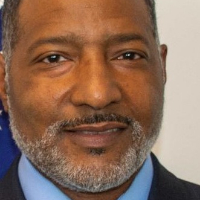
Virginia · 32 yrs exp
LCPC LPC - Anxiety and Addiction care
Stress, Anxiety · Addictions · Anger · Depression · +10 more
Read profile
Virginia · 20 yrs exp
LCSW - Anxiety and Family Concerns
Stress, Anxiety · Family · Trauma and abuse · Anger · +9 more
Read profile
Virginia · 3 yrs exp
LCSW - Anxiety and life changes
Stress, Anxiety · Relationship · Self esteem · Depression · +10 more
Read profile
Virginia · 30 yrs exp
LCSW - Stress and life changes
Stress, Anxiety · Trauma and abuse · Grief · Coping with life changes · +9 more
Read profile
Virginia · 32 yrs exp
LCSW in Virginia and Maryland - Addictions and Anxiety
Stress, Anxiety · Addictions · Relationship · Family · +5 more
Read profile
Virginia · 17 yrs exp
LPC in Virginia - Parenting and Trauma
Relationship · Family · Trauma and abuse · Parenting · +11 more
Read profile
Virginia · 21 yrs exp
Licensed Professional Counselor - Anxiety and Addictions
Stress, Anxiety · Addictions · Trauma and abuse · Grief · +10 more
Read profile
Virginia · 23 yrs exp
LCSW for stress and relationship concerns
Stress, Anxiety · Addictions · Self esteem · Depression · +16 more
Read profile
Virginia · 20 yrs exp
Dr. Darlene Anderson - LPC, LCMHC; anxiety and relationships
Stress, Anxiety · Relationship · Self esteem · Depression · +10 more
Read profile
Virginia · 23 yrs exp
LPC counselor - stress and relationships
Stress, Anxiety · Relationship · Family · Depression · +1 more
Read profile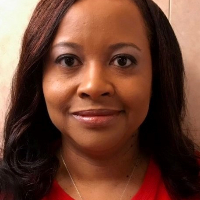
Virginia · 10 yrs exp
LCSW - Stress and mood concerns
Stress, Anxiety · Relationship · Family · Trauma and abuse · +10 more
Read profile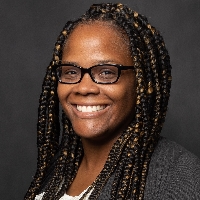
Virginia · 10 yrs exp
LPC in Virginia - Stress and Relationship issues
Stress, Anxiety · Relationship · Family · Trauma and abuse · +11 more
Read profile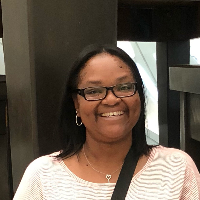
Virginia · 16 yrs exp
Dr. Rhonda Carter, LPC - Anxiety and Life Changes
Stress, Anxiety · LGBT · Family · Grief · +10 more
Read profile
Virginia · 35 yrs exp
LCSW - Stress and Anxiety focused
Stress, Anxiety · Eating · Self esteem · Depression · +13 more
Read profileOnline therapy has become a mainstream option for people across Virginia, from urban neighborhoods to rural counties. State licensing rules allow many clinicians to offer counseling and psychotherapy via video and phone, provided they hold the appropriate Virginia license and follow state practice guidelines. You will find clinicians who identify as licensed professional counselors, licensed clinical social workers, marriage and family therapists, and psychologists among the profiles. Each title corresponds to a different educational pathway and scope of practice, so looking at credentials can help you understand what a clinician is licensed to do. Online care expands the geographic reach of a therapist - you may be able to connect with someone who practices far from your town but is authorized to provide services in Virginia. While telehealth technology continues to evolve, the essential requirement remains that clinicians abide by Virginia regulations for remote practice and maintain professional standards of care.
Choosing online therapy can offer practical benefits that fit into everyday life. If you live in a region with fewer local mental health providers, remote sessions reduce travel time and broaden the pool of clinicians whose focus areas and languages match what you need. Online therapy can also make it easier to schedule sessions around work, school, or family responsibilities because you do not need to factor in commuting. Many people find that meeting from home or another comfortable setting helps them engage more consistently, while others prefer sitting in a quiet room near work. Online sessions can also allow you to maintain continuity of care when moving within Virginia or facing short-term disruptions to in-person access. Technology is not a substitute for therapeutic fit, but when platforms and connections work well, you can receive the same conversation-based support you would expect in an office setting.
Online therapists in Virginia work with a wide range of concerns, and you can locate clinicians who focus on many different life challenges. Many people seek help for symptoms of anxiety and depression, including stress related to work, caregiving, or school. Relationship concerns - whether between partners, family members, or friends - are another common reason to pursue therapy, and some clinicians emphasize couples work or family systems. Grief and life transitions such as divorce, job loss, or relocation are often addressed remotely because those stresses can be discussed effectively in conversation. Trauma-related symptoms are also treated by clinicians who list trauma-focused approaches among their offerings; in these cases you should look for therapists who describe experience working with traumatic stress and who note the strategies they use. Other areas you may find listed include parenting support, LGBTQ+ affirmative care, substance misuse counseling, and support for chronic health conditions. When you review profiles, pay attention to the wording clinicians use to describe their focus - many will list specific populations, age groups, or presenting problems so you can find someone who emphasizes the issues most relevant to you.
It is important to confirm that a clinician is licensed to practice in Virginia before beginning online therapy. You can start by locating the clinician's full name and license type on their profile, then use the online license lookup provided by the appropriate Virginia licensing board. Depending on the clinician's title, that may be the Virginia Board of Counseling, the Board of Psychology, or the Board of Social Work. The license lookup will show the license status, expiration date, and whether disciplinary actions are recorded. If a profile lists a license number, you can verify that number in the public database. Beyond the public registry, you may ask a clinician to share their license details and the jurisdiction in which they are authorized to practice. Pay attention to professional titles such as LPC, LCSW, LMFT, PsyD, or PhD and the distinctions between them, since each represents a different license category. Confirming credentials helps you understand the clinician's professional background and ensures you are connecting with someone who is permitted to provide services in Virginia.
When you review credentials, consider the clinician's degree type and the licensing title they hold, as well as any professional memberships they may list. Profiles often include a description of the clinician's education and areas of emphasis. Clinicians may also note therapeutic approaches they use; when approaches are mentioned, the phrasing on their profile indicates that they list those approaches among their methods rather than reflecting an independent credential. Language abilities and experience with particular populations are also important items to note, especially if you prefer therapy in a language other than English or want someone familiar with your cultural background.
Starting online therapy begins with clarifying your goals and then using the directory to narrow profiles by focus areas, approaches, credentials, languages, and experience. Before you reach out, think about what you hope to address in therapy and whether you prefer a clinician with experience in certain life stages or cultural backgrounds. When you contact a clinician, you can ask about their approach to treatment, typical session structure, and how they describe progress. Many clinicians provide a short biography that explains their therapeutic philosophy and the populations they serve; use that information to evaluate fit. You should also consider practical matters such as session length, fees, and whether a clinician accepts your insurance or offers sliding scale options. These are logistical questions that you can raise directly with a clinician or their administrative staff.
Prepare for the first session by having a list of concerns and goals, noting any medications or concurrent care, and ensuring your internet connection and device are set up for a personal conversation. Think about what feels most important to address early on and be ready to describe how the issue affects your daily life. The first few visits are often about building rapport and establishing priorities, so give yourself permission to assess how comfortable you feel with the clinician's style. If a clinician lists specific therapeutic approaches that interest you, ask how they typically adapt those approaches to online work and how they measure progress.
Choosing the right therapist is a personal process. You may find that fit depends on a combination of factors - the clinician's focus areas, therapeutic approach, cultural understanding, language skills, and professional credentials. Take the time to read profiles carefully and to reach out with questions that matter to you. A thoughtful search process helps ensure you find an online therapist in Virginia who aligns with your goals and creates a constructive environment for the work you want to do.
Addictions
4641 therapists
ADHD
4096 therapists
Anger
5854 therapists
Bipolar
3899 therapists
Depression
8028 therapists
Grief
6566 therapists
Guilt and Shame
5491 therapists
Isolation / Loneliness
5015 therapists
Mood Disorders
4157 therapists
OCD
2015 therapists
Panic Disorder and Panic Attacks
3550 therapists
Phobias
1439 therapists
Post-Traumatic Stress
4475 therapists
Self Esteem
7944 therapists
Sleeping Disorders
2287 therapists
Social Anxiety and Phobia
3922 therapists
Stress & Anxiety
8652 therapists
Trauma and Abuse
6823 therapists
Attachment Issues
3730 therapists
Career
5073 therapists
Caregiver Issues and Stress
4037 therapists
Communication Problems
6152 therapists
Coping with Life Changes
7511 therapists
Divorce
4069 therapists
Family
6489 therapists
Family of Origin Issues
2797 therapists
Life Purpose
5655 therapists
Parenting
5446 therapists
Relationship
7361 therapists
Self-Love
5654 therapists
Workplace Issues
4230 therapists