
Linda Seibert
LPCColorado · 15 yrs exp
LPC in Colorado - Relationships and Anxiety
Stress, Anxiety · Relationship · Intimacy-related issues · Self esteem · +10 more
Read profileTherapist listings are provided by BetterHelp. We will earn a commission at no additional cost to you if you use our links to purchase.
Welcome to our directory of online therapists serving Colorado. All therapists listed here are licensed in Colorado - explore profiles to compare focus areas, approaches, languages, and experience.
Colorado · 15 yrs exp
LPC in Colorado - Relationships and Anxiety
Stress, Anxiety · Relationship · Intimacy-related issues · Self esteem · +10 more
Read profile
Colorado · 34 yrs exp
Dr. Rhoda Lipscomb, LPC - Sexuality and relationship concerns
Stress, Anxiety · LGBT · Relationship · Intimacy-related issues · +8 more
Read profile
Colorado · 20 yrs exp
LCSW in Colorado - stress and trauma care
Stress, Anxiety · Trauma and abuse · Grief · Depression · +15 more
Read profile
Colorado · 22 yrs exp
Licensed Clinical Social Worker - Anxiety and Trauma
Stress, Anxiety · Relationship · Trauma and abuse · Depression · +16 more
Read profile
Colorado · 18 yrs exp
Licensed counselor - anxiety and addictions
Stress, Anxiety · Addictions · Relationship · Self esteem · +15 more
Read profile
Colorado · 9 yrs exp
LCSW in Colorado - anxiety and addiction support
Stress, Anxiety · Addictions · Relationship · Family · +14 more
Read profile
Colorado · 8 yrs exp
LPC in Colorado - Stress and relationship work
Stress, Anxiety · Trauma and abuse · Grief · Self esteem · +14 more
Read profile
Colorado · 10 yrs exp
LPC - Relationships and anxiety
Stress, Anxiety · Relationship · Trauma and abuse · Self esteem · +13 more
Read profile
Colorado · 3 yrs exp
Licensed Clinical Social Worker - relationships and anxiety
Stress, Anxiety · Relationship · Family · Trauma and abuse · +14 more
Read profile
Colorado · 8 yrs exp
LCSW counselor - anxiety and life changes
Stress, Anxiety · Relationship · Trauma and abuse · Grief · +16 more
Read profile
Colorado · 12 yrs exp
LCSW - Stress and anxiety care
Stress, Anxiety · Trauma and abuse · Self esteem · Depression · +1 more
Read profile
Colorado · 31 yrs exp
Dr. Lori Graham, LPC - Stress and mood concerns
Stress, Anxiety · Self esteem · Depression · Coping with life changes · +9 more
Read profile
Colorado · 29 yrs exp
LCSW in Colorado - Stress and Anxiety
Stress, Anxiety · Addictions · Relationship · Trauma and abuse · +8 more
Read profile
Colorado · 18 yrs exp
LPC in Colorado - stress and anxiety focus
Stress, Anxiety · Parenting · Self esteem · Coping with life changes · +4 more
Read profile
Colorado · 12 yrs exp
LCSW in Colorado - anxiety and trauma
Stress, Anxiety · Trauma and abuse · Grief · Depression · +9 more
Read profile
Colorado · 26 yrs exp
LPC and LIMHP - Stress and relationship issues
Stress, Anxiety · Addictions · Relationship · Intimacy-related issues · +1 more
Read profile
Colorado · 5 yrs exp
LMFT in Colorado - relationships and life changes
Relationship · Family · Grief · Self esteem · +1 more
Read profile
Colorado · 10 yrs exp
Licensed Professional Counselor - Anxiety and Stress
Stress, Anxiety · Trauma and abuse · Self esteem · Depression · +16 more
Read profile
Colorado · 3 yrs exp
Licensed Professional Counselor - Anxiety and Parenting
Stress, Anxiety · Parenting · Self esteem · Depression · +10 more
Read profile
Colorado · 4 yrs exp
LCSW in Colorado - Anxiety and Depression
Stress, Anxiety · Trauma and abuse · Self esteem · Bipolar · +1 more
Read profile
Colorado · 25 yrs exp
Licensed counselor - Anxiety and addictions
Stress, Anxiety · Addictions · Trauma and abuse · Grief · +8 more
Read profile
Colorado · 11 yrs exp
LPC in Colorado - Stress and Mood Concerns
Stress, Anxiety · LGBT · Trauma and abuse · Self esteem · +10 more
Read profile
Colorado · 20 yrs exp
Licensed Professional Counselor - Anxiety and Trauma
Stress, Anxiety · Trauma and abuse · Self esteem · Depression · +9 more
Read profile
Colorado · 17 yrs exp
LPC in Colorado - Anxiety and Trauma
Stress, Anxiety · Relationship · Trauma and abuse · Anger · +10 more
Read profile
Colorado · 24 yrs exp
Licensed Clinical Social Worker - Anxiety and Trauma
Stress, Anxiety · Addictions · LGBT · Trauma and abuse · +7 more
Read profile
Colorado · 11 yrs exp
LCSW in Colorado - anxiety and addiction
Stress, Anxiety · Addictions · Relationship · Depression · +11 more
Read profile
Colorado · 8 yrs exp
Licensed Professional Counselor - Anxiety and Trauma
Stress, Anxiety · Trauma and abuse · Self esteem · Coping with life changes · +9 more
Read profile
Colorado · 14 yrs exp
Licensed Professional Counselor - Anxiety and Addictions
Stress, Anxiety · Addictions · Self esteem · Career · +9 more
Read profile
Colorado · 15 yrs exp
LPC in Colorado - stress and relationships
Stress, Anxiety · Relationship · Grief · Self esteem · +14 more
Read profile
Colorado · 23 yrs exp
LPC in Colorado - grief and life transitions
Trauma and abuse · Grief · Depression · Coping with life changes · +3 more
Read profile
Colorado · 30 yrs exp
Licensed counselor - anxiety and grief
Stress, Anxiety · Grief · Self esteem · Depression · +5 more
Read profile
Colorado · 15 yrs exp
LCSW in Colorado - Addictions and Trauma
Addictions · Relationship · Family · Trauma and abuse · +13 more
Read profile
Colorado · 10 yrs exp
Licensed Professional Counselor - Relationships and Mood
Stress, Anxiety · Relationship · Intimacy-related issues · Self esteem · +6 more
Read profile
Colorado · 16 yrs exp
LPC and LPCC - anxiety and addiction focus
Stress, Anxiety · Addictions · Trauma and abuse · Grief · +14 more
Read profile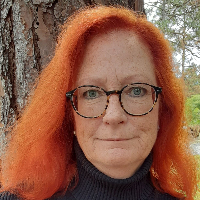
Colorado · 29 yrs exp
LCSW - Anxiety and Life Changes
Stress, Anxiety · Family · Trauma and abuse · Grief · +15 more
Read profile
Colorado · 11 yrs exp
Licensed clinical social worker - Anxiety and stress
Stress, Anxiety · Family · Self esteem · Depression · +9 more
Read profile
Colorado · 13 yrs exp
LPC and LPCC - Anxiety and Addictions
Stress, Anxiety · Addictions · LGBT · Trauma and abuse · +13 more
Read profile
Colorado · 5 yrs exp
LCSW - Relationships and Anxiety
Stress, Anxiety · Relationship · Family · Trauma and abuse · +10 more
Read profile
Colorado · 13 yrs exp
Licensed counselor - Anxiety and stress
Stress, Anxiety · Trauma and abuse · Self esteem · Coping with life changes · +15 more
Read profile
Colorado · 25 yrs exp
Licensed Professional Counselor - Anxiety and Stress
Stress, Anxiety · Trauma and abuse · Grief · Self esteem · +5 more
Read profile
Colorado · 6 yrs exp
LPC in Colorado - Anxiety and Relationship concerns
Stress, Anxiety · Relationship · Intimacy-related issues · Self esteem · +7 more
Read profile
Colorado · 17 yrs exp
LPC counselor - stress and mood concerns
Stress, Anxiety · Self esteem · Depression · Coping with life changes · +7 more
Read profile
Colorado · 5 yrs exp
Licensed counselor - Trauma and mood concerns
Trauma and abuse · Grief · Self esteem · Compassion fatigue · +9 more
Read profile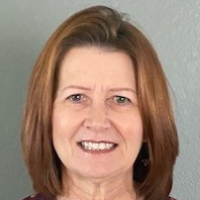
Colorado · 14 yrs exp
Licensed Clinical Social Worker - Trauma and Mood
Trauma and abuse · Anger · Bipolar · Depression · +11 more
Read profile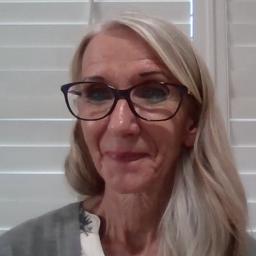
Colorado · 23 yrs exp
LMFT in Colorado - relationships and addiction
Stress, Anxiety · Addictions · Relationship · Trauma and abuse · +9 more
Read profile
Colorado · 10 yrs exp
Licensed counselor - anxiety and trauma
Stress, Anxiety · Addictions · Trauma and abuse · Grief · +14 more
Read profile
Colorado · 24 yrs exp
LPC LCPC - Stress and Anxiety support
Stress, Anxiety · Self esteem · Depression · Coping with life changes · +9 more
Read profile
Colorado · 32 yrs exp
LPC - Anxiety and Mood Concerns
Stress, Anxiety · Grief · Self esteem · Depression · +8 more
Read profile
Colorado · 46 yrs exp
LCSW - adult issues and aging
Stress, Anxiety · Trauma and abuse · Grief · Depression · +11 more
Read profile
Colorado · 9 yrs exp
LCSW focusing on grief and life changes
Stress, Anxiety · Relationship · Grief · Career · +8 more
Read profile
Colorado · 13 yrs exp
Licensed Professional Counselor - Stress and Anxiety
Stress, Anxiety · Relationship · Sleeping · Self esteem · +15 more
Read profile
Colorado · 20 yrs exp
LPC LCPC - Anxiety and Depression
Stress, Anxiety · Anger · Self esteem · Depression · +10 more
Read profile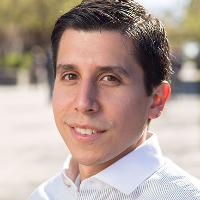
Colorado · 10 yrs exp
LPC counselor - anxiety and career concerns
Stress, Anxiety · Self esteem · Career · Coping with life changes · +7 more
Read profile
Colorado · 13 yrs exp
LCSW in Colorado - mood and coping support
Stress, Anxiety · Trauma and abuse · Self esteem · Depression · +16 more
Read profile
Colorado · 13 yrs exp
LMFT - Anxiety and Life Changes
Self esteem · Career · Coping with life changes · Coaching · +7 more
Read profile
Colorado · 20 yrs exp
LPC counselor - Anxiety and addiction
Stress, Anxiety · Addictions · Relationship · Family · +15 more
Read profile
Colorado · 9 yrs exp
LPC in Colorado - Anxiety and Addictions
Stress, Anxiety · Addictions · Trauma and abuse · Self esteem · +16 more
Read profile
Colorado · 22 yrs exp
Licensed Professional Counselor - Stress and Addictions
Stress, Anxiety · Addictions · Trauma and abuse · Grief · +16 more
Read profile
Colorado · 24 yrs exp
LPC in Colorado - Relationships and Anxiety
Stress, Anxiety · Relationship · Self esteem · Depression · +7 more
Read profile
Colorado · 10 yrs exp
LPC LMHC - Anxiety and Relationship Concerns
Stress, Anxiety · Trauma and abuse · Grief · Depression · +10 more
Read profileOnline therapy has become a common way for people across Colorado to connect with mental health professionals. Whether you live in a Denver neighborhood, a mountain town, or a rural valley, many licensed clinicians offer remote sessions by video or phone, making it possible to receive care without traveling long distances. In Colorado the same licensing rules that govern in-person practice also apply to online work, so therapists who provide services to residents are generally licensed by the state. When you use an online directory, you can read profiles that describe areas of focus, therapeutic approaches, languages spoken, and experience. Those profiles are a starting point for finding a therapist whose perspective and methods align with what you are seeking.
You may find that online therapy fits your life because it reduces the need to commute through traffic or across weather-affected mountain passes. Sessions by video or phone can free up time you would otherwise spend traveling, allowing you to schedule care around work, school, or family responsibilities. For people living in small towns or seasonal communities, online therapy widens the pool of clinicians you can reach, including those who list particular cultural competencies or speak languages other than English. Online care can also help you maintain continuity when life circumstances change - for example, if you move for work or school within the state and want to continue with a clinician who understands your history.
Therapists who offer online sessions in Colorado work with a broad range of concerns that include ongoing mood challenges, anxiety, relationship and family difficulties, grief and loss, and major life transitions like relocation or job change. Many clinicians also support people coping with stress related to parenting, school, or work-life balance. For people who have experienced traumatic events, some therapists list trauma-focused approaches among their methods, while others may list EMDR among their approaches. You will find clinicians who emphasize strategies for managing symptoms, and others who focus on relational patterns, identity, or cultural context. Descriptions in profiles often mention populations served, such as adolescents, adults, couples, or older adults, helping you identify clinicians who tend to work with needs similar to your own.
When you are evaluating an online therapist, it is useful to confirm their licensure in Colorado. Most therapist profiles include a license type and number, and you can use that information to check the status on Colorado's official licensing website maintained by the state regulatory agency. Search by the clinician's name or license number to confirm the license is active, to view the license type - for example licensed professional counselor, licensed clinical social worker, licensed marriage and family therapist, or psychologist - and to review any public disciplinary history. If a profile does not list a license number, you can contact the clinician directly to request it before proceeding. If you have questions about what you find, the state licensing board can explain terms you see on a record, such as expiration dates or restrictions. Verifying licensure helps ensure you are working with someone authorized to practice in Colorado and gives you access to official records if you need to follow up on ethical or regulatory issues.
Getting started often begins with clarifying what you want from therapy. You might think about whether you are seeking short-term help to address a specific issue, or longer-term support for ongoing concerns. Use profiles to note clinicians whose focus areas and approaches match your needs - for example therapists who list cognitive behavioral therapy (CBT) among their approaches or those who emphasize relational or developmental perspectives. Pay attention to languages spoken or cultural experience that may be important to you. Once you identify a few clinicians, reach out to ask practical questions about session format, technology requirements, fees, and whether they accept your insurance or offer a sliding scale. It is also reasonable to ask about privacy practices, how records are handled, and what steps are taken for emergency situations given that remote work can involve different procedures than in-person care. Many clinicians offer a brief introductory phone or email exchange so you can get a sense of communication style before committing to a full session. That initial contact can help you judge whether their approach and tone align with your expectations.
Choosing a therapist is personal, and there is no single formula that fits everyone. Start by considering the match between the clinician's stated focus and what you want to address. If cultural competence or language matters to you, prioritize clinicians who note relevant experience or language skills. When you see approach names in a profile, remember that those terms describe orientations or techniques some clinicians use; you can ask how those approaches would be applied to your situation during an initial exchange. Look at a therapist's listed credentials to understand their professional background, keeping in mind that credentials indicate education and licensure rather than a guarantee of a specific outcome. Think about practical factors that affect your comfort, such as whether sessions are offered by video, phone, or text messaging, typical session length, fee structure, and how they handle cancellations and scheduling. When you contact a therapist, note how they explain their process and how you feel communicating with them. Trust your experience of that interaction - feeling heard and respected in the first communications is often an important indicator of fit. Finally, give yourself permission to try a few conversations before settling on someone, because the right working relationship often becomes clearer after a couple of sessions.
Because online therapy crosses physical distance, it is important to understand how a clinician handles urgent concerns. Ask a prospective therapist how they manage emergencies, what local resources they suggest in Colorado communities, and how they will coordinate support if you are in immediate crisis. Confirming these plans up front provides clarity about roles and responsibilities and helps you feel more confident about beginning remote care.
Once you choose a therapist, set clear goals for the early weeks of care so you and the clinician can track progress. Revisit goals periodically and communicate openly if your needs change. If you later decide to change clinicians, many therapists can help you transition smoothly by summarizing past work and suggested next steps. The most important part of the process is finding a clinician whose methods and demeanor help you engage in the work you want to do.
Online therapy in Colorado offers practical options for connecting with licensed clinicians across varied communities and life circumstances. By verifying licensure, clarifying goals, and paying attention to fit, you can make informed choices about the type of support that will work for you. Use the directory profiles to compare approaches, languages, and experience, and reach out to clinicians with questions so you can move forward with confidence in your search.
Addictions
4641 therapists
ADHD
4096 therapists
Anger
5854 therapists
Bipolar
3899 therapists
Depression
8028 therapists
Grief
6566 therapists
Guilt and Shame
5491 therapists
Isolation / Loneliness
5015 therapists
Mood Disorders
4157 therapists
OCD
2015 therapists
Panic Disorder and Panic Attacks
3550 therapists
Phobias
1439 therapists
Post-Traumatic Stress
4475 therapists
Self Esteem
7944 therapists
Sleeping Disorders
2287 therapists
Social Anxiety and Phobia
3922 therapists
Stress & Anxiety
8652 therapists
Trauma and Abuse
6823 therapists
Attachment Issues
3730 therapists
Career
5073 therapists
Caregiver Issues and Stress
4037 therapists
Communication Problems
6152 therapists
Coping with Life Changes
7511 therapists
Divorce
4069 therapists
Family
6489 therapists
Family of Origin Issues
2797 therapists
Life Purpose
5655 therapists
Parenting
5446 therapists
Relationship
7361 therapists
Self-Love
5654 therapists
Workplace Issues
4230 therapists