
Dr. Vivia Hill-Silcott
LPCGeorgia · 8 yrs exp
LPC counselor - anxiety and relationships
Stress, Anxiety · Relationship · Family · Grief · +11 more
Read profileTherapist listings are provided by BetterHelp. We will earn a commission at no additional cost to you if you use our links to purchase.
Welcome to our directory for online therapists serving Georgia. All therapists listed here are licensed in Georgia so you can begin your search with confidence.
Explore profiles to learn about approaches, focus areas, languages and credentials to find a good match for your needs.
Georgia · 8 yrs exp
LPC counselor - anxiety and relationships
Stress, Anxiety · Relationship · Family · Grief · +11 more
Read profile
Georgia · 12 yrs exp
LPC in Georgia - Stress and Anxiety
Stress, Anxiety · Anger · Self esteem · Depression · +13 more
Read profile
Georgia · 10 yrs exp
Licensed Professional Counselor - Anxiety and Addictions
Stress, Anxiety · Addictions · Relationship · Family · +4 more
Read profile
Georgia · 3 yrs exp
Licensed counselor - relationships and anxiety
Stress, Anxiety · Relationship · Family · Intimacy-related issues · +6 more
Read profile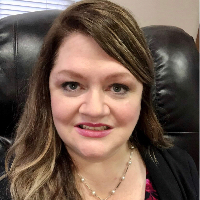
Georgia · 27 yrs exp
Licensed counselor - anxiety and mood concerns
Stress, Anxiety · Trauma and abuse · Bipolar · Depression · +16 more
Read profile
Georgia · 10 yrs exp
Licensed Clinical Social Worker - Anxiety and Stress
Stress, Anxiety · Grief · Anger · Self esteem · +10 more
Read profile
Georgia · 12 yrs exp
LPC in Georgia - mood and identity concerns
LGBT · Relationship · Bipolar · Coping with life changes · +6 more
Read profile
Georgia · 10 yrs exp
LPC in Georgia - trauma and mood concerns
Stress, Anxiety · Family · Trauma and abuse · Depression · +11 more
Read profile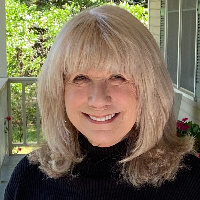
Georgia · 23 yrs exp
Licensed Professional Counselor - Mood and Anxiety
Stress, Anxiety · Addictions · Relationship · Trauma and abuse · +14 more
Read profile
Georgia · 9 yrs exp
Licensed Professional Counselor - Anxiety and Addiction
Stress, Anxiety · Anger · Self esteem · Bipolar · +11 more
Read profile
Georgia · 8 yrs exp
LPC in Georgia - Anxiety and Trauma
Stress, Anxiety · Trauma and abuse · Self esteem · Bipolar · +8 more
Read profile
Georgia · 7 yrs exp
LICSW counselor - Anxiety and life changes
Stress, Anxiety · Trauma and abuse · Self esteem · Depression · +10 more
Read profile
Georgia · 3 yrs exp
Licensed Clinical Social Worker - Stress and Anxiety
Stress, Anxiety · Relationship · Family · Trauma and abuse · +7 more
Read profile
Georgia · 25 yrs exp
LPC in Georgia - Anxiety and Life Changes
Stress, Anxiety · Trauma and abuse · Grief · Self esteem · +13 more
Read profile
Georgia · 30 yrs exp
LCSW in Georgia - relationships and life change
Relationship · Intimacy-related issues · Self esteem · Career · +9 more
Read profile
Georgia · 3 yrs exp
Licensed Professional Counselor - Depression and Anxiety
Stress, Anxiety · Anger · Self esteem · Depression · +10 more
Read profile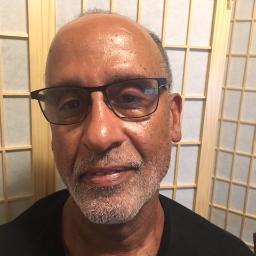
Georgia · 35 yrs exp
LCSW - Anxiety and Relationship Concerns
Stress, Anxiety · Relationship · Family · Parenting · +12 more
Read profile
Georgia · 3 yrs exp
Licensed counselor - anxiety and addictions
Stress, Anxiety · Addictions · Relationship · Self esteem · +8 more
Read profile
Georgia · 3 yrs exp
Licensed Professional Counselor - Anxiety and Parenting
Stress, Anxiety · Relationship · Family · Grief · +8 more
Read profile
Georgia · 11 yrs exp
Licensed Professional Counselor - Stress and Addiction
Stress, Anxiety · Addictions · Family · Trauma and abuse · +13 more
Read profile
Georgia · 18 yrs exp
Licensed Professional Counselor - Stress and Relationships
Stress, Anxiety · Relationship · Family · Trauma and abuse · +13 more
Read profile
Georgia · 20 yrs exp
LCSW in Georgia - anxiety and stress care
Stress, Anxiety · Relationship · Self esteem · Career · +12 more
Read profile
Georgia · 26 yrs exp
LPC in Georgia - Anxiety and Depression
Stress, Anxiety · Relationship · Trauma and abuse · Self esteem · +2 more
Read profile
Georgia · 20 yrs exp
LCSW - Stress and relationship concerns
Stress, Anxiety · Relationship · Family · Intimacy-related issues · +1 more
Read profile
Georgia · 14 yrs exp
LPC in Georgia - family and mood concerns
Family · Grief · Parenting · Self esteem · +12 more
Read profile
Georgia · 18 yrs exp
Licensed Professional Counselor - Anxiety and Relationships
Stress, Anxiety · Addictions · Relationship · Family · +15 more
Read profile
Georgia · 10 yrs exp
Licensed Professional Counselor - Stress and Relationships
Stress, Anxiety · Relationship · Grief · Depression · +1 more
Read profile
Georgia · 20 yrs exp
Licensed Professional Counselor - Stress and Anxiety
Stress, Anxiety · Addictions · Family · Trauma and abuse · +12 more
Read profile
Georgia · 19 yrs exp
Prof. Ara Trembly, LPC - Stress and Relationship concerns
Stress, Anxiety · Relationship · Parenting · Depression · +1 more
Read profile
Georgia · 11 yrs exp
LPC in Georgia - Anxiety and Depression
Stress, Anxiety · Addictions · LGBT · Family · +10 more
Read profile
Georgia · 35 yrs exp
LCSW - Anxiety and Addictions
Stress, Anxiety · Addictions · Relationship · Depression · +1 more
Read profile
Georgia · 10 yrs exp
LPC in Georgia - Stress and Anxiety
Stress, Anxiety · Family · Self esteem · Depression · +1 more
Read profile
Georgia · 4 yrs exp
Licensed Professional Counselor - anxiety and relationships
Stress, Anxiety · Family · Trauma and abuse · Depression · +13 more
Read profile
Georgia · 14 yrs exp
LPC in Georgia - Grief and Mood Concerns
Grief · Self esteem · Bipolar · Depression · +1 more
Read profile
Georgia · 30 yrs exp
Licensed Clinical Social Worker - Addictions and Trauma
Addictions · Relationship · Trauma and abuse · Grief · +1 more
Read profile
Georgia · 14 yrs exp
Licensed Professional Counselor - Stress and Anxiety
Stress, Anxiety · Addictions · Relationship · Grief · +1 more
Read profile
Georgia · 5 yrs exp
LCSW - Stress and anxiety focus
Stress, Anxiety · Addictions · Relationship · Grief · +1 more
Read profile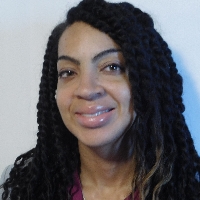
Georgia · 14 yrs exp
Licensed Professional Counselor - Relationships and Family
Relationship · Family · Intimacy-related issues · Parenting · +12 more
Read profile
Georgia · 10 yrs exp
LPC in Georgia - Anxiety and Relationship Concerns
Stress, Anxiety · Grief · Self esteem · Depression · +10 more
Read profile
Georgia · 30 yrs exp
Dr. Magna Porterfield - Psychologist, Anxiety and Depression
Stress, Anxiety · Grief · Depression · Coping with life changes · +3 more
Read profile
Georgia · 6 yrs exp
Licensed Professional Counselor - Anxiety and Relationships
Stress, Anxiety · Relationship · Family · Grief · +4 more
Read profile
Georgia · 15 yrs exp
Dr. Vanessa Bowen - LCSW, relationship and anxiety focus
Stress, Anxiety · Relationship · Family · Trauma and abuse · +12 more
Read profile
Georgia · 25 yrs exp
LCSW - Stress and mood concerns
Stress, Anxiety · Self esteem · Depression · Coping with life changes · +9 more
Read profile
Georgia · 10 yrs exp
LCSW - anxiety and relationship issues
Stress, Anxiety · Relationship · Grief · Depression · +10 more
Read profile
Georgia · 15 yrs exp
LPC in Georgia - Anxiety and Relationships
Stress, Anxiety · Relationship · Self esteem · Depression · +16 more
Read profile
Georgia · 10 yrs exp
Licensed counselor - anxiety and relationships
Stress, Anxiety · Relationship · Grief · Depression · +10 more
Read profile
Georgia · 20 yrs exp
LPC - Anxiety and Relationship Concerns
Stress, Anxiety · Addictions · Family · Anger · +13 more
Read profile
Georgia · 7 yrs exp
Ciara Pierce, LCSW - CBT and relationship support
Stress, Anxiety · Family · Parenting · Self esteem · +10 more
Read profile
Georgia · 5 yrs exp
Licensed Professional Counselor - Anxiety and ADHD
Stress, Anxiety · Relationship · Family · Parenting · +12 more
Read profile
Georgia · 16 yrs exp
Licensed Professional Counselor - Stress and Addiction
Stress, Anxiety · Addictions · Anger · Self esteem · +8 more
Read profile
Georgia · 18 yrs exp
Licensed Clinical Social Worker - Anxiety and Parenting
Stress, Anxiety · Self esteem · Depression · Coping with life changes · +12 more
Read profile
Georgia · 8 yrs exp
LPC - Relationships and Sexual Concerns
Family · Intimacy-related issues · Parenting · Self esteem · +11 more
Read profile
Georgia · 20 yrs exp
Licensed Professional Counselor - anxiety and stress
Stress, Anxiety · Relationship · Self esteem · Bipolar · +14 more
Read profile
Georgia · 12 yrs exp
Licensed Professional Counselor - Anxiety and Depression
Stress, Anxiety · Grief · Self esteem · Depression · +9 more
Read profile
Georgia · 18 yrs exp
LPC in Georgia - anxiety and addiction support
Stress, Anxiety · Addictions · Trauma and abuse · Anger · +13 more
Read profile
Georgia · 15 yrs exp
LMHC in Georgia - trauma and anxiety focus
Stress, Anxiety · LGBT · Trauma and abuse · Grief · +11 more
Read profile
Georgia · 15 yrs exp
Licensed Professional Counselor - Stress and Relationship Concerns
Stress, Anxiety · Grief · Intimacy-related issues · Self esteem · +10 more
Read profile
Georgia · 12 yrs exp
Licensed Professional Counselor - Anxiety and Relationships
Stress, Anxiety · Relationship · Self esteem · Depression · +11 more
Read profile
Georgia · 12 yrs exp
LPC - Stress and anxiety-focused counselor
Stress, Anxiety · Depression · Coping with life changes · Compassion fatigue · +11 more
Read profile
Georgia · 14 yrs exp
Licensed Professional Counselor - Stress and Anxiety
Stress, Anxiety · Anger · Self esteem · Depression · +11 more
Read profileIf you live in Georgia and are considering online therapy, you are part of a growing number of people who use video, phone or messaging-based counseling to address emotional and practical concerns. Many clinicians licensed in Georgia offer remote sessions that let you connect from home, work or another location that works for you. Laws and regulations require that therapists licensed in Georgia follow state practice rules when providing care across distance, and many professionals adapt standard counseling methods to the online setting so that therapy can be delivered through supported video and telephone formats. As you explore options, you will find clinicians with a range of credentials and approaches who list telehealth as one of the ways they work. Understanding how online therapy is provided and what to expect can help you decide whether remote counseling fits your schedule, lifestyle and communication preferences.
Online sessions can be used for short-term problem solving, ongoing support, skill building and crisis planning. While the logistics differ from in-person sessions, the core of therapeutic work - building a relationship, exploring patterns and practicing new strategies - remains the same. When you search, pay attention to the settings and tools a clinician mentions in their profile so you can choose a format that feels manageable and comfortable for you.
Online therapy can reduce geographic barriers and make it easier for you to access clinicians who specialize in particular issues or speak your preferred language. If you live outside of metro areas, remote sessions can reduce travel time and allow you to fit appointments into a busy day. For people with mobility limitations, caregiving responsibilities or irregular work hours, virtual counseling often provides more flexibility than traditional office-based care. Emotional benefits can include feeling more at ease when you participate from a familiar setting and being able to practice new skills in the context of your daily life.
Insurance coverage and payment methods vary, but many clinicians list accepted insurers and fee structures in their profiles so you can compare options before reaching out. You may also find therapists who list additional supports such as coaching, consultations for families, or resources for community connections. Thinking about session length, the technology you prefer, and whether you want video or phone contact can help you narrow your search to clinicians whose approach matches your needs.
Therapists in Georgia who provide online services commonly work with people facing anxiety, depression, relationship challenges, grief, life transitions and stress related to work or caregiving. You will also find clinicians who list experience with trauma-related symptoms, substance use concerns, parenting issues and identity-related stress. Many clinicians include specific populations or life stages in their profiles - for example, adolescents, young adults, parents, older adults or couples - so you can locate someone who speaks to your circumstance.
Across profiles you will see a variety of therapeutic approaches mentioned. Some therapists list cognitive behavioral methods among their approaches, others list psychodynamic, acceptance-based work, trauma-informed care or mindfulness-oriented practices. If a particular method matters to you, look for profiles that note that approach and inquire directly about how the therapist integrates it into online sessions. When a profile lists EMDR, somatic methods, family systems or other modalities, remember that listings indicate the approaches the therapist uses rather than a guarantee of specific qualifications in that method. You can ask clinicians about how they apply an approach in sessions and what you might expect in early meetings.
Verifying a therapist's license is an important step when you are choosing a clinician. Start by noting the professional credential listed in the profile - for example, LPC, LCSW, LMFT, or PhD - and ask the clinician for their license number if it is not already provided. You can then check the appropriate Georgia licensing board's online directory or license verification tool to confirm that the license is active and in good standing. These state resources typically indicate the license type, expiration date and whether any disciplinary actions are recorded. If you prefer, you can call the licensing board for guidance on what the public record shows.
When you review a license record you can confirm the clinician's name, license number and status, and look for notes about any restrictions or complaints. If your therapist lists additional credentials or degrees, you can ask how those were earned and how they inform the therapy they provide. Verifying licensure is a practical way to protect your wellbeing and to ensure that the clinician meets state requirements for practice in Georgia.
Getting started with online therapy begins with clarifying what you want to address and what matters most in a therapeutic relationship. Think about whether you prefer a clinician who emphasizes practical skills, deep exploration of life patterns, brief and focused work or ongoing support. Consider language needs, cultural background, religious or spiritual perspectives, and whether you want someone who lists experience with certain life stages or identities. Use the directory to filter profiles by credentials, languages and focus areas, then read bios to find clinicians whose descriptions resonate with you.
When you identify a few profiles that seem like a good fit, reach out using the contact details provided in the listing or the site's contact feature. In your initial message you can introduce yourself briefly, state the main reason you are seeking support and ask about the therapist's approach to remote work. Ask practical questions about session length, fees, payment methods and whether the clinician provides resources between sessions. You do not need to disclose sensitive personal details in your first message; instead, use the initial conversation to assess whether the clinician's communication style and approach feel respectful and clear to you.
Finding the right therapist often involves noticing how you feel during early meetings. A helpful clinician will explain their methods, set clear boundaries and invite your questions about goals and expectations. If you have specific priorities - for example, wanting help with relationship patterns, managing panic symptoms, parenting challenges or adjusting after loss - make those priorities clear so you can both determine fit. It is normal for the process of building trust to take time. If you do not feel that a particular clinician is the right match, you can return to the directory to explore additional profiles that better align with your needs.
Online therapy can open new paths to support, and the state-based licensure system in Georgia gives you a way to confirm that clinicians meet state practice requirements. By focusing on the issues you want to address, the styles that resonate with you and the practical details that matter for scheduling and payment, you can make informed choices about who to contact and how to begin. Use the profiles here to explore approaches, credentials and focus areas, and take the first step toward the kind of support that fits your life.
Addictions
4641 therapists
ADHD
4096 therapists
Anger
5854 therapists
Bipolar
3899 therapists
Depression
8028 therapists
Grief
6566 therapists
Guilt and Shame
5491 therapists
Isolation / Loneliness
5015 therapists
Mood Disorders
4157 therapists
OCD
2015 therapists
Panic Disorder and Panic Attacks
3550 therapists
Phobias
1439 therapists
Post-Traumatic Stress
4475 therapists
Self Esteem
7944 therapists
Sleeping Disorders
2287 therapists
Social Anxiety and Phobia
3922 therapists
Stress & Anxiety
8652 therapists
Trauma and Abuse
6823 therapists
Attachment Issues
3730 therapists
Career
5073 therapists
Caregiver Issues and Stress
4037 therapists
Communication Problems
6152 therapists
Coping with Life Changes
7511 therapists
Divorce
4069 therapists
Family
6489 therapists
Family of Origin Issues
2797 therapists
Life Purpose
5655 therapists
Parenting
5446 therapists
Relationship
7361 therapists
Self-Love
5654 therapists
Workplace Issues
4230 therapists