
Lynn Hedlund
LMHCWashington · 33 yrs exp
LMHC - Anxiety and Depression
Stress, Anxiety · Grief · Self esteem · Depression · +12 more
Read profileTherapist listings are provided by BetterHelp. We will earn a commission at no additional cost to you if you use our links to purchase.
Welcome to ReframeAndRebuild.org's directory for online therapists serving Washington. All therapists listed here are licensed in the state of Washington; explore profiles to learn about their specialties, approaches, languages, and credentials.
Use the listings below to review therapist descriptions and find professionals whose experience and communication style match what you want in care.
Washington · 33 yrs exp
LMHC - Anxiety and Depression
Stress, Anxiety · Grief · Self esteem · Depression · +12 more
Read profile
Washington · 14 yrs exp
Licensed Clinical Social Worker - Stress and Anxiety
Stress, Anxiety · Relationship · Grief · Career · +5 more
Read profile
Washington · 14 yrs exp
LMHC in Washington - Career and Relationship focus
Stress, Anxiety · Relationship · Career · Depression · +4 more
Read profile
Washington · 30 yrs exp
Susan St Vrain, LMHC - Anxiety and Trauma
Stress, Anxiety · Trauma and abuse · Grief · Depression · +12 more
Read profile
Washington · 22 yrs exp
LMHC in Washington - Anxiety and Stress
Stress, Anxiety · Relationship · Self esteem · Depression · +7 more
Read profile
Washington · 17 yrs exp
LMHC - Stress and Relationship Concerns
Stress, Anxiety · Relationship · Family · Self esteem · +1 more
Read profile
Washington · 18 yrs exp
LMFT - Anxiety and relationship concerns
Stress, Anxiety · Relationship · Trauma and abuse · Grief · +1 more
Read profile
Washington · 18 yrs exp
LMHC in Washington - Stress and Relationships
Stress, Anxiety · Grief · Self esteem · Depression · +1 more
Read profile
Washington · 19 yrs exp
LCSW - Stress and relationship concerns
Stress, Anxiety · Grief · Self esteem · Relationship · +4 more
Read profile
Washington · 25 yrs exp
Licensed Marriage and Family Therapist - Anxiety and Trauma
Stress, Anxiety · Relationship · Family · Trauma and abuse · +16 more
Read profile
Washington · 11 yrs exp
LICSW in Washington - Anxiety and Depression
Stress, Anxiety · Parenting · Self esteem · Depression · +10 more
Read profile
Washington · 14 yrs exp
LMFT - Relationships and Mood Concerns
Stress, Anxiety · Relationship · Family · Parenting · +13 more
Read profile
Washington · 8 yrs exp
Licensed Mental Health Counselor - Mood and life changes
Stress, Anxiety · Relationship · Self esteem · Depression · +8 more
Read profile
Washington · 9 yrs exp
LMHC - Anxiety and Relationships
LGBT · Relationship · Trauma and abuse · Intimacy-related issues · +8 more
Read profile
Washington · 15 yrs exp
LMHC - Anxiety and Depression
Stress, Anxiety · Self esteem · Career · Depression · +12 more
Read profile
Washington · 25 yrs exp
LCSW - Anxiety and Stress focus
Stress, Anxiety · Addictions · Relationship · Family · +15 more
Read profile
Washington · 32 yrs exp
LMHC - Stress and Relationship concerns
Stress, Anxiety · Relationship · Trauma and abuse · Grief · +10 more
Read profile
Washington · 23 yrs exp
LMHC - Mood and life transitions
Family · Eating · Self esteem · Depression · +12 more
Read profile
Washington · 9 yrs exp
LICSW - Stress and Anxiety
Stress, Anxiety · LGBT · Trauma and abuse · Bipolar · +11 more
Read profile
Washington · 18 yrs exp
LMHC in Washington - Anxiety and Stress
Stress, Anxiety · LGBT · Trauma and abuse · Self esteem · +15 more
Read profile
Washington · 40 yrs exp
LICSW - Stress and Mood Concerns
Stress, Anxiety · Grief · Self esteem · Bipolar · +13 more
Read profile
Washington · 8 yrs exp
LICSW - Anxiety and Depression
Stress, Anxiety · Relationship · Self esteem · Depression · +4 more
Read profile
Washington · 15 yrs exp
LICSW and LIMHP - Anxiety and Trauma focused
Stress, Anxiety · LGBT · Family · Trauma and abuse · +11 more
Read profile
Washington · 10 yrs exp
Licensed Clinical Social Worker - anxiety and trauma
Stress, Anxiety · LGBT · Relationship · Coping with life changes · +13 more
Read profile
Washington · 8 yrs exp
LMHC and LPC - Addictions and Relationships
Addictions · Trauma and abuse · Grief · Intimacy-related issues · +10 more
Read profile
Washington · 9 yrs exp
Licensed Marriage and Family Therapist - relationships and anxiety
Stress, Anxiety · Relationship · Family · Depression · +16 more
Read profile
Washington · 9 yrs exp
Licensed Clinical Social Worker - Stress and Relationships
Stress, Anxiety · Relationship · Family · Depression · +10 more
Read profile
Washington · 11 yrs exp
LMHC - Anxiety and Relationship Concerns
Stress, Anxiety · Relationship · Family · Parenting · +6 more
Read profile
Washington · 24 yrs exp
LMHC in Washington - Stress and Trauma
Stress, Anxiety · Family · Trauma and abuse · Parenting · +11 more
Read profile
Washington · 9 yrs exp
LMHC - Anxiety and Mood Concerns
Stress, Anxiety · Self esteem · Bipolar · Depression · +16 more
Read profile
Washington · 25 yrs exp
LICSW - Stress and Mood Concerns
Stress, Anxiety · Trauma and abuse · Bipolar · Depression · +9 more
Read profile
Washington · 15 yrs exp
LMHC in Washington - Anxiety and Life Changes
Stress, Anxiety · LGBT · Self esteem · Depression · +8 more
Read profile
Washington · 18 yrs exp
LICSW - Stress and Anxiety focus
Stress, Anxiety · Relationship · Depression · Coping with life changes · +5 more
Read profile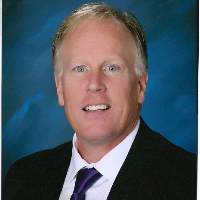
Washington · 27 yrs exp
LMHC in Washington - Stress and Anxiety
Stress, Anxiety · Addictions · Trauma and abuse · Parenting · +10 more
Read profile
Washington · 10 yrs exp
LMHC - Stress and Anxiety focus
Stress, Anxiety · Relationship · Career · Coping with life changes · +15 more
Read profile
Washington · 9 yrs exp
LMHC in Washington - anxiety and relationship work
Stress, Anxiety · Addictions · Trauma and abuse · Self esteem · +11 more
Read profile
Washington · 30 yrs exp
Licensed MFT - Stress and Relationships
Stress, Anxiety · LGBT · Intimacy-related issues · Depression · +11 more
Read profile
Washington · 8 yrs exp
Licensed Mental Health Counselor - Anxiety and Addictions
Stress, Anxiety · Addictions · Trauma and abuse · Bipolar · +14 more
Read profile
Washington · 3 yrs exp
Licensed Mental Health Counselor - addictions and trauma
Stress, Anxiety · Addictions · Trauma and abuse · Self esteem · +10 more
Read profile
Washington · 6 yrs exp
Licensed counselor - anxiety and trauma
Stress, Anxiety · LGBT · Family · Parenting · +11 more
Read profile
Washington · 25 yrs exp
LMHC in Washington - stress and trauma focus
Stress, Anxiety · Trauma and abuse · Grief · Depression · +11 more
Read profile
Washington · 30 yrs exp
LICSW in Washington - Stress and Relationship Work
Stress, Anxiety · Anger · Depression · Coping with life changes · +13 more
Read profile
Washington · 20 yrs exp
LMHC in Washington - Stress and Relationship concerns
Stress, Anxiety · Addictions · Relationship · Trauma and abuse · +13 more
Read profile
Washington · 25 yrs exp
LICSW in Washington - Stress and Anxiety
Stress, Anxiety · LGBT · Trauma and abuse · Grief · +10 more
Read profile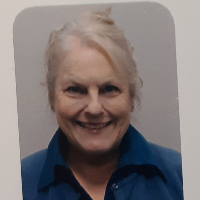
Washington · 27 yrs exp
LMHC in Washington - Relationships and Mood
Stress, Anxiety · Relationship · Family · Self esteem · +7 more
Read profile
Washington · 3 yrs exp
LMHC in Washington - stress and relationship work
Stress, Anxiety · Relationship · Self esteem · Depression · +14 more
Read profile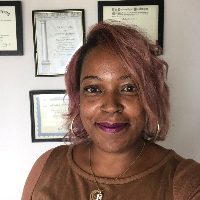
Washington · 20 yrs exp
LMFT in Washington - Stress and Relationships
Stress, Anxiety · Relationship · Trauma and abuse · Self esteem · +13 more
Read profile
Washington · 10 yrs exp
LICSW - Addictions and Relationship concerns
Addictions · Relationship · Family · Depression · +14 more
Read profile
Washington · 4 yrs exp
Licensed Mental Health Counselor - Stress and Anxiety
Stress, Anxiety · Relationship · Grief · Self esteem · +13 more
Read profile
Washington · 18 yrs exp
LMHC - Relationships and Trauma
Relationship · Family · Trauma and abuse · Grief · +11 more
Read profile
Washington · 15 yrs exp
LICSW - Stress and relationship concerns
Stress, Anxiety · Relationship · Family · Grief · +10 more
Read profile
Washington · 25 yrs exp
LMHC - Stress and Anxiety Support
Stress, Anxiety · Self esteem · Career · Depression · +11 more
Read profile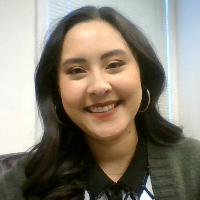
Washington · 6 yrs exp
Licensed MFT - Relationships and Anxiety
Stress, Anxiety · Relationship · Trauma and abuse · Intimacy-related issues · +6 more
Read profile
Washington · 10 yrs exp
LMHC - Anxiety and Addiction
Stress, Anxiety · Addictions · Family · Depression · +9 more
Read profile
Washington · 12 yrs exp
LMHC - Stress and Relationship Concerns
Stress, Anxiety · Relationship · Self esteem · Depression · +6 more
Read profile
Washington · 26 yrs exp
LMHC - Anxiety and Relationship Concerns
Stress, Anxiety · Relationship · Trauma and abuse · Intimacy-related issues · +6 more
Read profile
Washington · 20 yrs exp
LICSW in Washington - Stress and Anxiety
Stress, Anxiety · Relationship · Depression · Coping with life changes · +8 more
Read profile
Washington · 8 yrs exp
LICSW - Stress and Addiction support
Stress, Anxiety · Addictions · Grief · Coaching · +11 more
Read profile
Washington · 12 yrs exp
LMHC - Anxiety and Trauma
Stress, Anxiety · Trauma and abuse · Self esteem · Depression · +5 more
Read profile
Washington · 16 yrs exp
LICSW in Washington - Stress and Anxiety
Stress, Anxiety · Addictions · Relationship · Family · +11 more
Read profileOnline therapy in Washington has become an established option for people seeking mental health support without travel or time spent in a waiting room. You can connect with practitioners across the state through video, phone, or messaging formats that fit different schedules and communication preferences. Many Washington-licensed mental health professionals now present detailed profiles that describe their areas of focus, the age groups they work with, the languages they speak, and the therapeutic approaches they use. Those profiles can help you narrow your search and make an informed decision about who to reach out to.
While technology makes it easier to find and connect with professionals, the rules that govern licensure still apply across telehealth and in-person practice. Therapists who practice across state lines must follow Washington law for clients located in Washington, and therapists licensed in Washington must follow state requirements for recordkeeping, client rights, and professional conduct. When you are looking at listings, you will see practitioners describe their work in terms of specialties such as relationship issues, mood concerns, trauma-related work, life transitions, or parenting support. A profile often clarifies whether a therapist primarily works with adults, adolescents, couples, or families, which helps you understand fit before initiating contact.
Online therapy offers several practical advantages that can make it easier for you to prioritize your mental health. You can save time and the logistics of commuting, which matters in urban centers like Seattle and in more rural parts of the state where travel distances can be long. Virtual sessions can allow more flexible scheduling around work, family responsibilities, and school, and they can help you maintain continuity of care if you move within Washington or travel for extended periods within the state.
Another benefit is access to a wider range of clinicians. If you live in an area with fewer in-person options, online therapy lets you connect with therapists who list specific approaches or languages that match your needs. For example, you may find therapists who list EMDR among their approaches, or who list cognitive behavioral strategies, mindfulness-based work, or narrative-oriented methods. That broader access can be particularly valuable when you're seeking someone with experience in a certain area, such as perinatal mental health, grief, or culturally informed practice. Online formats also let you create a therapeutic environment at home or in another setting where you feel comfortable, which can support openness and ongoing engagement in the work.
Therapists commonly work with a wide range of concerns that affect everyday functioning, relationships, and emotional wellbeing. You can expect to find practitioners who focus on anxiety, depression, stress management, and life transitions such as career changes, separation, or relocation. Relationship work is another common area, with therapists describing work with couples, co-parenting challenges, and communication difficulties. Many clinicians also provide support for trauma-related symptoms, grief and loss, identity exploration, and coping with chronic health conditions or caregiving stress.
The language used in profiles will often name populations and problems rather than promise outcomes. For instance, a therapist might describe experience supporting people with workplace stress, adolescent behavioral concerns, or issues related to sexual orientation and gender identity. Therapists also list the approaches they use to guide their work. You may see phrasing that refers to therapists who list CBT, ACT, psychodynamic, somatic, or mindfulness-based approaches, which gives you a sense of the methods a clinician prefers without implying certification or superior outcomes. When a profile resonates with you, consider the therapist's stated focus and how it aligns with the challenges you want to address.
Verifying that a therapist holds an active license in Washington is an important step in your search. The Washington State Department of Health maintains an online license verification tool where you can look up professionals by name or license number. When you search, check the license type to confirm that it aligns with the services offered, the license status to ensure it is active, and any public records of disciplinary actions. These entries typically show the license issuance and expiration dates, which can help you confirm current credentialing.
If you encounter abbreviations or license types you do not recognize, a quick call or email to the licensing board can provide clarification. You can also ask a therapist directly for their license number and the exact name under which the license is issued. Knowing how to read the licensing information gives you a clearer understanding of professional oversight and helps you evaluate the background of a clinician. Remember that profiles on directories are summaries and that the authoritative source for licensure information is the Washington State Department of Health or the appropriate state licensing board.
When you are ready to take the next step, start by reviewing profiles that match the kinds of issues and approaches you prefer. Profiles that describe client focus, communication style, and languages spoken can help you picture what working together might look like. Reach out to a few clinicians who seem like a good fit and use an initial conversation to learn about their approach to therapy, how they structure sessions, and what kinds of goals they commonly address. It is reasonable to ask how they generally work with people who have concerns similar to yours and what a typical session feels like without asking about specific outcomes.
As you compare profiles and conversations, consider practical matters that affect your comfort in therapy. Think about whether you prefer shorter or longer session formats, synchronous video sessions or phone check-ins, and whether the therapist's stated communication style aligns with your preferences. If language access matters to you, look for therapists who list languages they speak. If cultural understanding is important, read profile descriptions for references to populations or community work. Remember that the initial contact is an opportunity to assess the rapport you feel from the clinician's communication. Trust your sense of whether the interaction felt respectful and attuned to your concerns; feeling understood in early exchanges is often a good indicator of fit.
Finally, keep in mind that choosing a therapist is a personal process. You may try an initial session and find that the match is not ideal, and it is acceptable to continue searching until you find someone who feels right. Use profile details, licensing verification, and preliminary conversations as tools to make an informed choice. Taking those steps can help you connect with a professional who is positioned to support your goals and work with you in a collaborative way.
Online therapy in Washington offers flexible access to licensed clinicians who work with a wide variety of concerns and who list diverse approaches and specialties. By reviewing profiles thoughtfully, verifying license status, and using early conversations to assess fit, you can make a confident choice about who to connect with. When you're ready, use the listings above to explore options and reach out to therapists whose experience and style align with what you're seeking.
Addictions
4641 therapists
ADHD
4096 therapists
Anger
5854 therapists
Bipolar
3899 therapists
Depression
8028 therapists
Grief
6566 therapists
Guilt and Shame
5491 therapists
Isolation / Loneliness
5015 therapists
Mood Disorders
4157 therapists
OCD
2015 therapists
Panic Disorder and Panic Attacks
3550 therapists
Phobias
1439 therapists
Post-Traumatic Stress
4475 therapists
Self Esteem
7944 therapists
Sleeping Disorders
2287 therapists
Social Anxiety and Phobia
3922 therapists
Stress & Anxiety
8652 therapists
Trauma and Abuse
6823 therapists
Attachment Issues
3730 therapists
Career
5073 therapists
Caregiver Issues and Stress
4037 therapists
Communication Problems
6152 therapists
Coping with Life Changes
7511 therapists
Divorce
4069 therapists
Family
6489 therapists
Family of Origin Issues
2797 therapists
Life Purpose
5655 therapists
Parenting
5446 therapists
Relationship
7361 therapists
Self-Love
5654 therapists
Workplace Issues
4230 therapists