
James White
LPCAlabama · 15 yrs exp
Alabama LPC - Stress and mood concerns
Stress, Anxiety · Addictions · Relationship · Family · +12 more
Read profileTherapist listings are provided by BetterHelp. We will earn a commission at no additional cost to you if you use our links to purchase.
Welcome to ReframeAndRebuild.org's directory of online therapists serving Alabama. All therapists listed hold state licensure in Alabama. Explore individual profiles below to learn about specialties, approaches, credentials and languages offered.
Alabama · 15 yrs exp
Alabama LPC - Stress and mood concerns
Stress, Anxiety · Addictions · Relationship · Family · +12 more
Read profile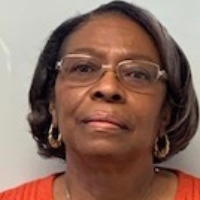
Alabama · 20 yrs exp
LPC in Alabama - Anxiety and Life Changes
Stress, Anxiety · Relationship · Grief · Depression · +9 more
Read profile
Alabama · 12 yrs exp
LPC in Alabama - Anxiety and life changes
Stress, Anxiety · Family · Anger · Self esteem · +13 more
Read profile
Alabama · 15 yrs exp
LPC in Alabama - Stress and Anxiety
Stress, Anxiety · Addictions · Trauma and abuse · Coping with life changes · +9 more
Read profile
Alabama · 10 yrs exp
LICSW - Stress and Anxiety
Stress, Anxiety · Family · Grief · Depression · +3 more
Read profile
Alabama · 41 yrs exp
LPC in Alabama - Anxiety and Trauma care
Stress, Anxiety · Addictions · Trauma and abuse · Self esteem · +14 more
Read profile
Alabama · 20 yrs exp
Licensed Professional Counselor - Stress and Addiction
Stress, Anxiety · Grief · Parenting · Depression · +13 more
Read profile
Alabama · 26 yrs exp
LICSW - Stress and Relationship Concerns
Stress, Anxiety · Relationship · Family · Trauma and abuse · +15 more
Read profile
Alabama · 10 yrs exp
LPC in Alabama - anxiety and life changes
Stress, Anxiety · Relationship · Self esteem · Depression · +13 more
Read profile
Alabama · 19 yrs exp
LICSW - trauma and life changes
LGBT · Trauma and abuse · Anger · Self esteem · +11 more
Read profile
Alabama · 30 yrs exp
LPC in Alabama - Addictions and mood concerns
Addictions · Stress, Anxiety · LGBT · Relationship · +10 more
Read profile
Alabama · 6 yrs exp
Licensed counselor - stress and relationships
Stress, Anxiety · Relationship · Self esteem · Coping with life changes
Read profile
Alabama · 8 yrs exp
LPC - Anxiety and Relationship support
Stress, Anxiety · Relationship · Family · Parenting · +12 more
Read profile
Alabama · 5 yrs exp
Licensed LPC - Anxiety and Relationships
Addictions · Relationship · Family · Trauma and abuse · +7 more
Read profile
Alabama · 20 yrs exp
LPC in Alabama - Stress and Relationships
Stress, Anxiety · Relationship · Trauma and abuse · Self esteem · +1 more
Read profile
Alabama · 3 yrs exp
LPC in Alabama - Anxiety and Stress
Stress, Anxiety · Trauma and abuse · Self esteem · Depression · +9 more
Read profile
Alabama · 9 yrs exp
Alabama LPC - anxiety and relationships
Stress, Anxiety · Relationship · Trauma and abuse · Grief · +6 more
Read profile
Alabama · 20 yrs exp
LPC in Alabama - anxiety and addictions
Stress, Anxiety · Addictions · Grief · Self esteem · +5 more
Read profile
Alabama · 3 yrs exp
Alabama LPC - Stress and Anxiety
Stress, Anxiety · Anger · Self esteem · Coping with life changes
Read profile
Alabama · 4 yrs exp
LPC in Alabama - Stress and Anxiety
Stress, Anxiety · Self esteem · Depression
Read profile
Alabama · 15 yrs exp
Licensed counselor - Depression and relationships
LGBT · Relationship · Grief · Depression · +2 more
Read profile
Alabama · 3 yrs exp
LICSW - Stress and Mood Concerns
Stress, Anxiety · Family · Trauma and abuse · Bipolar · +13 more
Read profile
Alabama · 21 yrs exp
Licensed Professional Counselor - anxiety and stress
Stress, Anxiety · Relationship · Trauma and abuse · Depression · +8 more
Read profile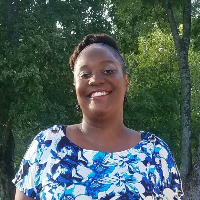
Alabama · 10 yrs exp
Licensed social worker - anxiety and stress
Stress, Anxiety · Family · Self esteem · Depression · +6 more
Read profile
Alabama · 13 yrs exp
Licensed Professional Counselor - Family and Mood concerns
Family · Parenting · Anger · Coping with life changes · +6 more
Read profile
Alabama · 12 yrs exp
Licensed Marriage and Family Therapist - Relationships and Anxiety
Stress, Anxiety · Relationship · Family · Parenting · +10 more
Read profile
Alabama · 5 yrs exp
Licensed Counselor - Stress and Anxiety
Stress, Anxiety · Grief · Self esteem · Depression · +12 more
Read profile
Alabama · 20 yrs exp
Licensed Professional Counselor - Anxiety and Life Changes
Stress, Anxiety · Grief · Anger · Self esteem · +11 more
Read profile
Alabama · 8 yrs exp
Licensed LPC - Anxiety and Relationships
Stress, Anxiety · Relationship · Grief · Intimacy-related issues · +10 more
Read profile
Alabama · 25 yrs exp
LMFT - Relationships and Addictions
Stress, Anxiety · Addictions · Relationship · Grief · +10 more
Read profile
Alabama · 8 yrs exp
LPC in Alabama - Anxiety and Trauma
Stress, Anxiety · Trauma and abuse · Anger · Self esteem · +5 more
Read profile
Alabama · 10 yrs exp
Dr. Madalyn Caldwell LPC - Stress and Trauma
Stress, Anxiety · Trauma and abuse · Self esteem · Depression · +7 more
Read profile
Alabama · 14 yrs exp
Licensed Professional Counselor - Anxiety and Relationships
Stress, Anxiety · Relationship · Self esteem · Depression · +13 more
Read profile
Alabama · 10 yrs exp
Licensed Professional Counselor - Stress and Grief
Compassion fatigue · Stress, Anxiety · LGBT · Relationship · +6 more
Read profile
Alabama · 8 yrs exp
Licensed Clinical Social Worker - Anxiety and Trauma
Stress, Anxiety · Family · Trauma and abuse · Grief · +7 more
Read profile
Alabama · 36 yrs exp
LPC - stress and trauma support
Stress, Anxiety · Addictions · Relationship · Trauma and abuse · +6 more
Read profile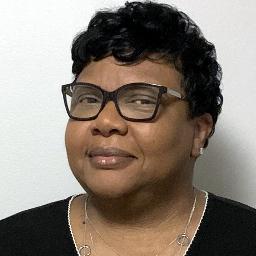
Alabama · 23 yrs exp
LPC in Alabama - Stress and Relationship Concerns
Stress, Anxiety · Addictions · Relationship · Family · +12 more
Read profile
Alabama · 10 yrs exp
Licensed Professional Counselor - Anxiety and Addictions
Stress, Anxiety · Addictions · Self esteem · Bipolar · +10 more
Read profile
Alabama · 29 yrs exp
LPC - Stress and Mood Concerns
Stress, Anxiety · Addictions · Relationship · Family · +8 more
Read profile
Alabama · 30 yrs exp
MS LMFT - Addictions and Relationships
Addictions · Relationship · Family · Trauma and abuse · +8 more
Read profile
Alabama · 4 yrs exp
Dr. Jason Reasor, LPC - Stress and Addiction support
Stress, Anxiety · Addictions · Relationship · Family · +9 more
Read profile
Alabama · 15 yrs exp
LICSW - Anxiety and Life Changes
Stress, Anxiety · Addictions · Bipolar · Depression · +16 more
Read profile
Alabama · 11 yrs exp
Licensed Clinical Social Worker - Anxiety and Relationships
Stress, Anxiety · Anger · Self esteem · Depression · +8 more
Read profile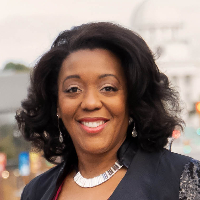
Alabama · 25 yrs exp
Dr. Carmela Drake - LPC, addictions and life transitions
Addictions · Parenting · Anger · Self esteem · +8 more
Read profile
Alabama · 3 yrs exp
LICSW - Stress and Mood Concerns
Stress, Anxiety · Depression · ADHD · Relationship · +9 more
Read profile
Alabama · 8 yrs exp
Licensed Professional Counselor - Stress and Relationships
Stress, Anxiety · Relationship · Family · Sleeping · +8 more
Read profile
Alabama · 8 yrs exp
Licensed Professional Counselor - Anxiety and Addictions
Stress, Anxiety · Addictions · Trauma and abuse · Self esteem · +14 more
Read profile
Alabama · 3 yrs exp
LICSW - Stress and Anxiety
Stress, Anxiety · Grief · Self esteem · Depression · +7 more
Read profile
Alabama · 10 yrs exp
LICSW - Relationships and Trauma
Relationship · Family · Trauma and abuse · Self esteem · +11 more
Read profile
Alabama · 20 yrs exp
Licensed Professional Counselor - Stress and Addiction
Stress, Anxiety · Addictions · Family · Anger · +14 more
Read profile
Alabama · 3 yrs exp
LPC - Stress and Relationship Concerns
Stress, Anxiety · Addictions · Relationship · Family · +14 more
Read profile
Alabama · 20 yrs exp
Licensed counselor - Anxiety and Stress
Stress, Anxiety · Grief · Self esteem · Depression · +11 more
Read profile
Alabama · 30 yrs exp
Licensed Professional Counselor - stress and anxiety
Stress, Anxiety · Grief · Parenting · Self esteem · +9 more
Read profile
Alabama · 26 yrs exp
Licensed Marriage and Family Therapist - trauma and relationships
Stress, Anxiety · Trauma and abuse · Grief · Coping with life changes · +8 more
Read profile
Alabama · 14 yrs exp
Alabama LPC - stress and anxiety
Stress, Anxiety · Family · Parenting · Self esteem · +10 more
Read profile
Alabama · 8 yrs exp
LPC - Anxiety and Mood concerns
Stress, Anxiety · Addictions · Relationship · Self esteem · +12 more
Read profile
Alabama · 10 yrs exp
Licensed Professional Counselor - Stress and Addictions
Stress, Anxiety · Addictions · Grief · Anger · +15 more
Read profile
Alabama · 22 yrs exp
Licensed Professional Counselor - Anxiety and Relationships
Stress, Anxiety · LGBT · Family · Self esteem · +13 more
Read profile
Alabama · 20 yrs exp
Licensed Marriage and Family Therapist - Relationship and Anxiety
Stress, Anxiety · Relationship · Family · Parenting · +14 more
Read profile
Alabama · 30 yrs exp
LPC in Alabama - Anxiety and Addictions
Stress, Anxiety · Addictions · Family · Trauma and abuse · +11 more
Read profileOnline therapy has become an established way to connect with licensed mental health professionals across Alabama. Whether you live in a city, a small town, or a rural county, you can work with clinicians who list a range of therapeutic approaches and focus areas. Many practitioners who offer remote services use video sessions, phone calls, text-based check-ins or a blend of methods to match client needs. Licensure requirements still apply to therapists working with Alabama residents, so professionals you see on this site will have the appropriate state credentials listed in their profiles.
When you explore profiles, you will find a variety of credential types such as licensed professional counselors, clinical social workers, psychologists and marriage and family therapists. Each credential reflects a different regulatory pathway and scope of practice, and profiles will typically indicate the therapist's credential, education and professional focus. Because teletherapy crosses geographic boundaries, therapists who list languages other than English or who highlight cultural competencies can be especially useful if you prefer services in a language you speak or with someone familiar with your community context.
Typical remote sessions follow a similar rhythm to in-person therapy, with scheduled meetings that last from about 30 to 60 minutes depending on the clinician's approach. Intake conversations often cover goals, treatment preferences and practical details such as fees and technical needs. Some therapists offer ongoing weekly or biweekly sessions while others structure care around short-term goals or specific life events. Your profile view will often describe how a therapist frames their work and what to expect in initial meetings.
Choosing remote therapy can make it easier to fit mental health care into a busy life. You can avoid lengthy commutes and reduce time away from work, school or family responsibilities. For residents in remote or underserved areas of Alabama, online options expand access to clinicians who might not have local offices. You may find therapists who list experience working with the same issues you face even if those same specialties are rare in your immediate area.
Online therapy can also increase flexibility around scheduling and make it easier to maintain continuity of care when life circumstances change. If you travel within the state for work or family reasons, keeping sessions virtual can allow you to continue with the same clinician without disruption. Many people find that remote sessions create a comfortable setting for candid conversations, because you participate from a personal space of your choosing. When reviewing profiles, consider how a therapist describes their approach to building rapport and supporting clients at a distance.
When you opt for online therapy, think about your home environment and whether you can set aside time and a location for focused conversation. You may also want to ask about the technology platforms a therapist uses and any tips they offer for ensuring a stable connection. Good communication about session logistics reduces interruptions so you can focus on the work itself.
Online therapists in Alabama address a wide range of concerns, from everyday stress to more persistent mental health challenges. Many clinicians list anxiety, depression and stress management among their areas of focus. Others highlight work with relationship difficulties, parenting challenges, grief and loss or life transitions such as career change, relocation or retirement. If you are navigating the aftermath of a medical diagnosis, chronic health issues, or the caregiving demands of aging relatives, you can find therapists who describe experience supporting people through similar circumstances.
Some therapists identify trauma-related work as a central focus and describe approaches they use to help people process painful events. You will often see language indicating that a therapist uses cognitive behavioral approaches, mindfulness-based strategies, psychodynamic perspectives or integrative methods. When a profile mentions a specific modality, it means the clinician lists that method among their approaches rather than indicating a particular certification. If you are seeking support for substance use, obsessive thoughts, eating concerns or work-related stress, look for therapists who name those focus areas so you can learn more about how they describe their approach to treatment.
Verifying professional licensure is an important step when choosing a therapist. First, identify the credential listed in the clinician's profile - such as licensed professional counselor, licensed clinical social worker, psychologist or marriage and family therapist - and then look up the appropriate state licensing board to confirm the license status. Most state boards provide an online license lookup where you can enter a name or license number and see whether the license is active. The board record will typically show the license type, expiration date and any public disciplinary history.
If you prefer direct confirmation, you can contact the licensing board's office by phone or email and ask how to verify a license. Keep in mind that different boards oversee different professions, so confirming which board regulates the credential in question will speed the search. When reviewing board records, pay attention to the date of any disciplinary actions and whether a license is listed as active or inactive. Verifying licensure helps you understand a clinician's regulated status and ensures they meet state requirements for practice.
While a license confirms that a clinician has met state requirements, it does not describe a therapist's therapeutic style or client fit. Read profile descriptions carefully to learn about areas of focus, the populations the therapist works with and the languages they list. If you want to know more about a clinician's experience with a particular issue or approach, plan to ask those questions directly during initial outreach so you can assess whether their perspective aligns with your goals.
Begin by clarifying what you want from therapy. Think about whether you are seeking short-term support for a specific problem, help managing ongoing symptoms, or a longer-term space to explore patterns and relationships. Use profile filters and search terms to find therapists who list relevant specialties and approaches. Read several profiles to compare how clinicians describe their work, what populations they emphasize and which languages they offer. That comparison will help you form a short list of clinicians whose descriptions resonate with your needs.
When you reach out to a clinician, ask about practical matters such as session length, fees, payment methods and whether they work with your insurance if that is relevant to you. You can inquire about their approach to setting goals, how they typically structure sessions, and what kind of homework or practice they encourage between meetings. If technology is a concern, ask which video platforms they use and whether they provide guidance for connecting and troubleshooting. You may also want to know how they handle emergency situations and what resources they recommend if you need urgent help between sessions.
Therapeutic fit matters. Consider the tone of a therapist's profile, how they communicate about boundaries and collaboration, and whether they describe working with people who share your background or life experience. You should feel that a clinician listens respectfully to your concerns and articulates a clear way of working that matches your preferences. It is normal to try more than one clinician before you find the best match for your goals, and taking the time to reflect after an initial conversation will help you judge whether to continue.
Choosing an online therapist in Alabama is a step toward prioritizing your mental health in a way that fits your life. By checking licensure, reading profiles closely, asking targeted questions and reflecting on fit, you can find a professional who aligns with your needs and communication style. Use the listings below to begin that exploration and take the next step when you feel ready.
Addictions
4641 therapists
ADHD
4096 therapists
Anger
5854 therapists
Bipolar
3899 therapists
Depression
8028 therapists
Grief
6566 therapists
Guilt and Shame
5491 therapists
Isolation / Loneliness
5015 therapists
Mood Disorders
4157 therapists
OCD
2015 therapists
Panic Disorder and Panic Attacks
3550 therapists
Phobias
1439 therapists
Post-Traumatic Stress
4475 therapists
Self Esteem
7944 therapists
Sleeping Disorders
2287 therapists
Social Anxiety and Phobia
3922 therapists
Stress & Anxiety
8652 therapists
Trauma and Abuse
6823 therapists
Attachment Issues
3730 therapists
Career
5073 therapists
Caregiver Issues and Stress
4037 therapists
Communication Problems
6152 therapists
Coping with Life Changes
7511 therapists
Divorce
4069 therapists
Family
6489 therapists
Family of Origin Issues
2797 therapists
Life Purpose
5655 therapists
Parenting
5446 therapists
Relationship
7361 therapists
Self-Love
5654 therapists
Workplace Issues
4230 therapists