
Thomas (Tom) Warren
LCMHCNorth Carolina · 51 yrs exp
Licensed counselor - relationships and mood
Relationship · Intimacy-related issues · Parenting · Self esteem · +12 more
Read profileTherapist listings are provided by BetterHelp. We will earn a commission at no additional cost to you if you use our links to purchase.
Welcome to our directory of online therapists serving North Carolina. All therapists listed are licensed in North Carolina - explore profiles to compare approaches, focus areas, credentials and languages to find someone who may fit your needs.
North Carolina · 51 yrs exp
Licensed counselor - relationships and mood
Relationship · Intimacy-related issues · Parenting · Self esteem · +12 more
Read profile
North Carolina · 10 yrs exp
LCSW therapist - anxiety and relationships
Stress, Anxiety · Relationship · Family · Bipolar · +16 more
Read profile
North Carolina · 18 yrs exp
Dr Shelia Williamson Collins LPC LCPC - Mood and addiction support
Stress, Anxiety · Addictions · Trauma and abuse · Anger · +13 more
Read profile
North Carolina · 16 yrs exp
LMFT - Stress and relationship concerns
Stress, Anxiety · Relationship · Family · Parenting · +8 more
Read profile
North Carolina · 25 yrs exp
Licensed counselor - anxiety and trauma
Stress, Anxiety · Addictions · Family · Trauma and abuse · +11 more
Read profile
North Carolina · 10 yrs exp
LCSW in North Carolina - Stress and Trauma
Stress, Anxiety · Family · Parenting · Anger · +8 more
Read profile
North Carolina · 30 yrs exp
LCMHC counselor - anxiety and life transitions
Stress, Anxiety · Addictions · LGBT · Trauma and abuse · +1 more
Read profile
North Carolina · 20 yrs exp
Licensed counselor - Addiction and anxiety
Stress, Anxiety · Addictions · LGBT · Relationship · +1 more
Read profile
North Carolina · 20 yrs exp
LPC, LCMHC - Anxiety and Addiction support
Stress, Anxiety · Parenting · Self esteem · Depression · +15 more
Read profile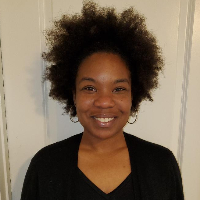
North Carolina · 15 yrs exp
LCSW - Anxiety and Trauma support
LGBT · Relationship · Family · Parenting · +7 more
Read profile
North Carolina · 25 yrs exp
Licensed counselor - stress and relationships
Stress, Anxiety · Relationship · Depression · Coping with life changes · +1 more
Read profile
North Carolina · 25 yrs exp
LCMHC - Stress and Anxiety focus
Stress, Anxiety · Addictions · Self esteem · Depression · +1 more
Read profile
North Carolina · 6 yrs exp
LCMHC in North Carolina - Relationships and Anxiety
Stress, Anxiety · Relationship · Parenting · Self esteem · +7 more
Read profile
North Carolina · 13 yrs exp
LCMHC - Anxiety and Depression focus
Stress, Anxiety · Family · Trauma and abuse · Self esteem · +9 more
Read profile
North Carolina · 26 yrs exp
Licensed Clinical Social Worker - Stress and Grief
Stress, Anxiety · Grief · Self esteem · Coping with life changes · +3 more
Read profile
North Carolina · 15 yrs exp
LCMHC - Anxiety and Addictions
Addictions · Grief · Self esteem · Career · +8 more
Read profile
North Carolina · 14 yrs exp
Licensed Clinical Social Worker - Relationships and Trauma
Stress, Anxiety · Relationship · Family · Trauma and abuse · +9 more
Read profile
North Carolina · 10 yrs exp
LCSW - Relationships and Mood
Relationship · Parenting · Anger · Self esteem · +9 more
Read profile
North Carolina · 14 yrs exp
Licensed social worker - anxiety and life transitions
Stress, Anxiety · Addictions · Self esteem · Depression · +11 more
Read profile
North Carolina · 11 yrs exp
Licensed counselor - Mood and anxiety
Stress, Anxiety · LGBT · Trauma and abuse · Eating · +8 more
Read profile
North Carolina · 20 yrs exp
LCSW - Stress and Addictions focus
Stress, Anxiety · Addictions · Trauma and abuse · Grief · +11 more
Read profile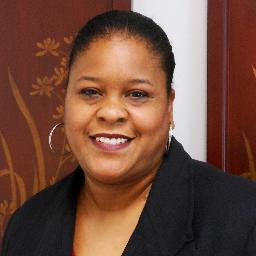
North Carolina · 15 yrs exp
LCMHC counselor - anxiety and relationships
Stress, Anxiety · Relationship · Self esteem · Depression · +10 more
Read profile
North Carolina · 12 yrs exp
LCSW - Relationships and mood concerns
Relationship · Family · Career · Coping with life changes · +9 more
Read profile
North Carolina · 5 yrs exp
Licensed counselor - anxiety and life changes
Stress, Anxiety · Family · Self esteem · Career · +7 more
Read profile
North Carolina · 5 yrs exp
Licensed counselor - anxiety and trauma
Stress, Anxiety · Trauma and abuse · Self esteem · Depression
Read profile
North Carolina · 9 yrs exp
Licensed counselor - anxiety and relationships
Stress, Anxiety · Addictions · Relationship · Grief · +8 more
Read profile
North Carolina · 15 yrs exp
LCSW - Anxiety and Addiction support
Stress, Anxiety · Addictions · Relationship · Trauma and abuse · +10 more
Read profile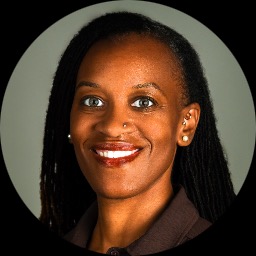
North Carolina · 14 yrs exp
LCMHC - Stress and Anxiety focus
Stress, Anxiety · Self esteem · Anger · Depression
Read profile
North Carolina · 17 yrs exp
LCMHC - Anxiety and Relationship support
Stress, Anxiety · Relationship · Grief · Anger · +1 more
Read profile
North Carolina · 15 yrs exp
LCSW clinician - stress and addictions
Stress, Anxiety · Addictions · Relationship · Anger · +1 more
Read profile
North Carolina · 13 yrs exp
Licensed Clinical Social Worker - Anxiety and Addiction
Stress, Anxiety · Addictions · Grief · Anger · +11 more
Read profile
North Carolina · 26 yrs exp
LCMHC - Anxiety and Depression
Stress, Anxiety · Trauma and abuse · Grief · Intimacy-related issues · +8 more
Read profile
North Carolina · 7 yrs exp
Licensed counselor - Stress and trauma
Stress, Anxiety · Trauma and abuse · Parenting · Anger · +1 more
Read profile
North Carolina · 11 yrs exp
LCSW - Stress and Anxiety
Stress, Anxiety · Relationship · Self esteem · Depression · +1 more
Read profile
North Carolina · 5 yrs exp
LCSW in North Carolina - Stress and relationship support
Stress, Anxiety · Relationship · Self esteem · Depression · +15 more
Read profile
North Carolina · 10 yrs exp
LCMHC - Anxiety and Addictions
Stress, Anxiety · Addictions · Self esteem · Career · +7 more
Read profile
North Carolina · 16 yrs exp
LCMHC in North Carolina - Addictions and Life Changes
Addictions · Trauma and abuse · Self esteem · Coping with life changes · +1 more
Read profile
North Carolina · 5 yrs exp
LCSW in North Carolina - anxiety and relationships
Stress, Anxiety · Relationship · Trauma and abuse · Self esteem · +8 more
Read profile
North Carolina · 7 yrs exp
LCSW - Family and trauma concerns
Family · Trauma and abuse · Grief · Parenting · +8 more
Read profile
North Carolina · 5 yrs exp
LCMHC in North Carolina - Mood and trauma care
Stress, Anxiety · LGBT · Trauma and abuse · Bipolar · +1 more
Read profile
North Carolina · 9 yrs exp
Licensed counselor - stress and anxiety
Stress, Anxiety · Anger · Self esteem · Depression · +1 more
Read profile
North Carolina · 3 yrs exp
LMFT - Relationships and Anxiety
Stress, Anxiety · Relationship · Family · Intimacy-related issues · +1 more
Read profile
North Carolina · 20 yrs exp
LCSW - Stress and anxiety support
Stress, Anxiety · Grief · Parenting · Depression · +1 more
Read profile
North Carolina · 25 yrs exp
LCSW - Stress and relationship concerns
Stress, Anxiety · Relationship · Family · Self esteem · +1 more
Read profile
North Carolina · 22 yrs exp
LCMHC - Anxiety and Mood Support
Stress, Anxiety · Relationship · Grief · Self esteem · +1 more
Read profile
North Carolina · 19 yrs exp
LCMHC in North Carolina - Stress and Mood concerns
Stress, Anxiety · Depression · Coping with life changes · Anger · +1 more
Read profile
North Carolina · 25 yrs exp
LCSW - Stress and Trauma help
Stress, Anxiety · Relationship · Trauma and abuse · Grief · +1 more
Read profile
North Carolina · 25 yrs exp
LMFT - Relationships and Mood Concerns
Stress, Anxiety · Relationship · Family · Grief · +15 more
Read profile
North Carolina · 30 yrs exp
LCSW - Relationships and Trauma
Relationship · Parenting · Anger · Stress, Anxiety · +5 more
Read profile
North Carolina · 16 yrs exp
LPCC LPC - Anxiety and Relationship work
Stress, Anxiety · Relationship · Self esteem · Depression · +8 more
Read profile
North Carolina · 13 yrs exp
Licensed counselor - anxiety and trauma
Stress, Anxiety · Addictions · Relationship · Trauma and abuse · +3 more
Read profile
North Carolina · 45 yrs exp
Licensed Clinical Social Worker - Stress and Relationships
Stress, Anxiety · Relationship · Family · Intimacy-related issues · +8 more
Read profile
North Carolina · 11 yrs exp
Licensed social worker - Anxiety and family concerns
Stress, Anxiety · Family · Self esteem · Depression · +8 more
Read profile
North Carolina · 20 yrs exp
Licensed social worker - anxiety and trauma
Stress, Anxiety · Addictions · Trauma and abuse · Depression · +9 more
Read profile
North Carolina · 29 yrs exp
LCSW in North Carolina - Trauma and Addiction
Addictions · Family · Trauma and abuse · Grief · +12 more
Read profile
North Carolina · 25 yrs exp
LCSW - Stress and Anxiety focus
Stress, Anxiety · Relationship · Grief · Depression · +14 more
Read profile
North Carolina · 10 yrs exp
LCMHC - Addictions and Trauma
Addictions · Trauma and abuse · Self esteem · Coping with life changes · +10 more
Read profile
North Carolina · 20 yrs exp
Licensed Clinical Social Worker - Stress and Relationship Concerns
Stress, Anxiety · Relationship · Family · Parenting · +13 more
Read profile
North Carolina · 4 yrs exp
LCSW - Stress and Anxiety support
Stress, Anxiety · Family · Trauma and abuse · Parenting · +13 more
Read profile
North Carolina · 22 yrs exp
LCMHC - Depression and Anxiety focus
LGBT · Family · Trauma and abuse · Grief · +13 more
Read profileIf you are exploring online therapy in North Carolina you will find a mix of clinicians offering sessions by video or telephone. Many practitioners provide remote sessions that follow the same professional standards as in-person care, and you can usually expect sessions to be scheduled for regular intervals, often ranging from short-term problem-focused work to longer-term counseling. Technology requirements are generally simple - a smartphone, tablet or computer with an internet connection and a personal place to speak. Keep in mind that different license types may appear in listings, including licensed clinical social workers, marriage and family therapists, professional counselors and psychologists. Each license type reflects a different training path and scope of practice, so reading a profile will help you understand the clinician's background and the populations they describe working with. Also note that when a therapist lists a particular approach you may see phrasing such as therapists who list EMDR among their approaches, which indicates a methodological preference listed by the clinician rather than a statement about formal certification.
Online therapy can make it easier to access care when you live in a rural county, have mobility limits or face busy work and family schedules. You can connect from home in a comfortable environment or from another location that feels right for you, and that flexibility often reduces the time and cost associated with travel. For many people the range of available clinicians is wider online, so you may find therapists who work with specific concerns, speak your preferred language or have experience with cultural issues that matter to you. Remote sessions also support continuity when life changes require you to move within the state, since the clinician may continue to work with you if their license covers your location. At the same time, online therapy has practical considerations - you will want a reliable internet connection and a quiet space to talk, and some insurers or employers may have different reimbursement policies for remote care. Knowing the advantages and the practical trade-offs can help you plan a comfortable, effective start to working with an online clinician.
Clinicians in the state often work with a broad array of concerns, and many profiles indicate focus areas that can help you find someone aligned with your needs. You can expect to find therapists who describe work with anxiety, depression, grief and loss, relationship challenges, parenting and family dynamics, career stress and life transitions. Many therapists also list experience supporting people through trauma-related symptoms, chronic stress, eating concerns and substance use support. If you are seeking help for identity-related matters you will likely encounter clinicians who list LGBTQ+ affirmative practice among their focus areas, and some profiles highlight cultural competence or language skills that may be relevant if you prefer sessions in a language other than English. When reviewing profiles remember that an approach name listed on a profile is an indicator of the methods a clinician prefers to use, and it does not substitute for direct conversation about how that approach would apply to your situation. You can use profiles to narrow who you might contact and then ask specific questions about how a clinician typically works with issues like yours before committing to multiple sessions.
Verifying licensure is an important step when you are considering an online therapist. The state licensing boards maintain public directories where you can search by name or license number to confirm that a license is active and view any disciplinary history that may be recorded. Look for the clinician's license type, the issuing board, the license status and the expiration date. If a profile lists a graduate degree or an academic institution, those elements can supplement your understanding of a clinician's professional path, while the licensing lookup provides current regulatory standing. If you have questions about how to interpret a record, many boards provide contact options to request clarification. You might also ask the therapist directly for their license number and the licensing board so you can verify independently; reputable clinicians will understand this step and provide the information. Remember that state licensure determines the legal scope for providing therapy to residents of North Carolina, so confirming a clinician's licensure status helps you make an informed choice.
Starting therapy remotely often begins with clarifying what you want from counseling and gathering practical information. Think about the goals you hope to address - whether you want short-term support for a specific problem, ongoing work on emotional patterns or assistance navigating a major life transition. When you review profiles focus on the approaches and populations listed, as well as languages spoken and any cultural or community focus that matters to you. Reach out to a few clinicians whose profiles resonate and use an initial message to describe your goals, preferred session format and any practical questions about session length, fees and insurance. Asking about how sessions are typically structured and what a clinician emphasizes in early work will give you a sense of fit. When you begin sessions, set up a consistent time and place where you can speak without interruptions, test your device and connection in advance and agree with the clinician on contingency plans for connection issues. Early sessions are often a good time to discuss how you would evaluate progress and what will indicate the work is moving in the direction you want.
Choosing a therapist is a personal decision and fit matters more than any single credential or approach. Start by clarifying priorities such as the issues you want to work on, the therapeutic approach you prefer and any practical needs like language, cultural understanding or session times. Read profiles for descriptions of populations and methods but plan to use an initial conversation to assess how the clinician communicates and whether you feel heard. Consider whether you want a clinician who emphasizes skill-based strategies, insight-oriented work or a mix, recognizing that many therapists blend approaches. Be open to asking about how a clinician typically measures progress and what kinds of homework or between-session work they recommend. If cost or insurance is a factor, ask about fees, sliding scale options and which insurers are accepted so you can compare financial aspects. Finally, trust your sense of rapport - if you feel understood and respected in early interactions you are more likely to engage productively in the work. If the first clinician you contact does not feel like a fit, it is reasonable to explore other profiles until you find someone whose style and experience align with your needs.
Online therapy in North Carolina offers a range of options for many different concerns and life situations, and using a thoughtful approach to search and verification will increase the chance of a productive match. Profiles can help you compare focus areas, approaches, credentials and languages, and verification through the state licensing board provides an extra layer of assurance about professional standing. By clarifying your goals, preparing for the technical and practical aspects of remote sessions and listening for rapport during an initial conversation you can find a clinician who supports the changes you want to pursue.
Addictions
4641 therapists
ADHD
4096 therapists
Anger
5854 therapists
Bipolar
3899 therapists
Depression
8028 therapists
Grief
6566 therapists
Guilt and Shame
5491 therapists
Isolation / Loneliness
5015 therapists
Mood Disorders
4157 therapists
OCD
2015 therapists
Panic Disorder and Panic Attacks
3550 therapists
Phobias
1439 therapists
Post-Traumatic Stress
4475 therapists
Self Esteem
7944 therapists
Sleeping Disorders
2287 therapists
Social Anxiety and Phobia
3922 therapists
Stress & Anxiety
8652 therapists
Trauma and Abuse
6823 therapists
Attachment Issues
3730 therapists
Career
5073 therapists
Caregiver Issues and Stress
4037 therapists
Communication Problems
6152 therapists
Coping with Life Changes
7511 therapists
Divorce
4069 therapists
Family
6489 therapists
Family of Origin Issues
2797 therapists
Life Purpose
5655 therapists
Parenting
5446 therapists
Relationship
7361 therapists
Self-Love
5654 therapists
Workplace Issues
4230 therapists