Pamela Byrd
LCPCMaryland · 25 yrs exp
LCPC in Maryland - Stress and Addiction work
Stress, Anxiety · Addictions · Relationship · Grief · +12 more
Read profileTherapist listings are provided by BetterHelp. We will earn a commission at no additional cost to you if you use our links to purchase.
Welcome to the Maryland online therapists directory at ReframeAndRebuild.org. All therapists listed are licensed in Maryland - explore profiles to learn about approaches, specialties, credentials, and languages. Use the listings below to begin identifying therapists who may match your needs.
Maryland · 25 yrs exp
LCPC in Maryland - Stress and Addiction work
Stress, Anxiety · Addictions · Relationship · Grief · +12 more
Read profile
Maryland · 15 yrs exp
LCPC in Maryland - Stress and Anxiety
Stress, Anxiety · Trauma and abuse · Self esteem · Depression · +1 more
Read profile
Maryland · 6 yrs exp
LCSW-C counselor - anxiety and relationships
Stress, Anxiety · Addictions · Relationship · Family · +16 more
Read profile
Maryland · 28 yrs exp
LCSW-C in Maryland - Stress and Addiction care
Stress, Anxiety · Addictions · Depression · Relationship · +8 more
Read profile
Maryland · 16 yrs exp
LCSW-C Maryland - Stress and anxiety focus
Stress, Anxiety · Relationship · Trauma and abuse · Career · +2 more
Read profile
Maryland · 11 yrs exp
Psychologist - Anxiety and ADHD
Stress, Anxiety · Parenting · Self esteem · Depression · +7 more
Read profile
Maryland · 30 yrs exp
LCSW-C in Maryland - stress and relationships
Stress, Anxiety · Relationship · Trauma and abuse · Depression · +9 more
Read profile
Maryland · 6 yrs exp
Licensed Clinical Professional Counselor - Stress and Anxiety
Stress, Anxiety · Trauma and abuse · Self esteem · Coping with life changes · +10 more
Read profile
Maryland · 15 yrs exp
LCPC - Stress and anxiety support
Stress, Anxiety · Self esteem · Career · Coaching · +8 more
Read profile
Maryland · 10 yrs exp
LCPC in Maryland - Anxiety and Relationship work
Stress, Anxiety · Relationship · Family · Intimacy-related issues · +12 more
Read profile
Maryland · 11 yrs exp
LCPC in Maryland - Anxiety and Life Change
Stress, Anxiety · Grief · Depression · Relationship · +5 more
Read profile
Maryland · 15 yrs exp
LCPC - Anxiety and Stress-focused
Stress, Anxiety · Anger · Self esteem · Depression · +9 more
Read profile
Maryland · 9 yrs exp
LCPC in Maryland - Anxiety and Stress
Stress, Anxiety · Family · Self esteem · Depression · +8 more
Read profile
Maryland · 25 yrs exp
LCPC counselor - stress and relationships
Stress, Anxiety · Family · Parenting · Self esteem · +11 more
Read profile
Maryland · 4 yrs exp
LCPC counselor - Family and trauma
Family · Trauma and abuse · Anger · Self esteem · +11 more
Read profile
Maryland · 19 yrs exp
Licensed counselor - anxiety and relationships
Stress, Anxiety · Relationship · Family · Trauma and abuse · +8 more
Read profile
Maryland · 10 yrs exp
LCSW - Anxiety and Relationship Concerns
Stress, Anxiety · Addictions · LGBT · Grief · +12 more
Read profile
Maryland · 5 yrs exp
Licensed social worker - anxiety and trauma
Stress, Anxiety · Trauma and abuse · Self esteem · Depression · +9 more
Read profile
Maryland · 18 yrs exp
LCPC counselor - mood and addiction focus
Stress, Anxiety · Addictions · Bipolar · Depression · +10 more
Read profile
Maryland · 10 yrs exp
Licensed counselor - Anxiety and addictions
Stress, Anxiety · Relationship · Anger · Self esteem · +5 more
Read profile
Maryland · 25 yrs exp
LCPC - Addictions and Relationship work
Addictions · Relationship · Family · Self esteem · +11 more
Read profile
Maryland · 13 yrs exp
LCPC counselor - anxiety and addictions
Stress, Anxiety · Addictions · Trauma and abuse · Self esteem · +1 more
Read profile
Maryland · 11 yrs exp
LCSW-C in Maryland - Mood and anxiety care
Stress, Anxiety · Trauma and abuse · Bipolar · Depression · +2 more
Read profile
Maryland · 19 yrs exp
LCSW-C in Maryland - Anxiety and Trauma
Stress, Anxiety · Relationship · Trauma and abuse · Self esteem · +1 more
Read profile
Maryland · 13 yrs exp
Psychologist - Anxiety and Mood Concerns
Stress, Anxiety · Self esteem · Depression · Coping with life changes · +11 more
Read profile
Maryland · 32 yrs exp
LCPC counselor - stress and addictions
Stress, Anxiety · Addictions · Trauma and abuse · Self esteem · +6 more
Read profile
Maryland · 10 yrs exp
Licensed social worker - anxiety and depression
Stress, Anxiety · Self esteem · Depression · Coping with life changes · +8 more
Read profile
Maryland · 10 yrs exp
LICSW LCSW-C - stress and anxiety support
Stress, Anxiety · LGBT · Relationship · Family · +13 more
Read profile
Maryland · 34 yrs exp
LCSW-C in Maryland - Stress and Anxiety
Stress, Anxiety · Parenting · Self esteem · Depression · +1 more
Read profile
Maryland · 10 yrs exp
LCPC in Maryland - Relationships and Anxiety
Stress, Anxiety · Relationship · Family · Parenting · +10 more
Read profile
Maryland · 30 yrs exp
LMFT in Maryland - Anxiety and Relationship concerns
Stress, Anxiety · Addictions · Relationship · Family · +12 more
Read profile
Maryland · 15 yrs exp
LCPC counselor - grief and anxiety
Grief · Anger · Self esteem · Career · +8 more
Read profile
Maryland · 12 yrs exp
LICSW LCSW-C - Stress and anxiety focus
Stress, Anxiety · Anger · Self esteem · Depression · +7 more
Read profile
Maryland · 20 yrs exp
LCSW-C in Maryland - Anxiety and Relationship Concerns
Stress, Anxiety · Addictions · Relationship · Family · +14 more
Read profile
Maryland · 3 yrs exp
LCSW counselor - anxiety and life changes
Stress, Anxiety · Grief · Parenting · Coping with life changes · +8 more
Read profile
Maryland · 25 yrs exp
LCPC and LPC - Stress and Relationship Concerns
Stress, Anxiety · Relationship · Family · Trauma and abuse · +11 more
Read profile
Maryland · 8 yrs exp
Licensed counselor - anxiety and addiction
Stress, Anxiety · Addictions · LGBT · Family · +14 more
Read profile
Maryland · 4 yrs exp
Licensed Clinical Social Worker - Anxiety & Trauma
Stress, Anxiety · Trauma and abuse · Addictions · LGBT · +12 more
Read profile
Maryland · 21 yrs exp
LCPC in Maryland - Anxiety and Mood Concerns
Stress, Anxiety · Addictions · Trauma and abuse · Grief · +10 more
Read profile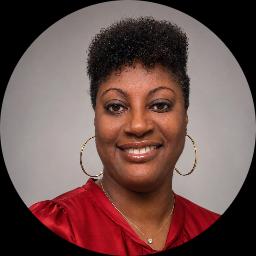
Maryland · 16 yrs exp
LCSW-C in Maryland - Stress and anxiety focus
Stress, Anxiety · Self esteem · Depression · Coping with life changes · +2 more
Read profile
Maryland · 8 yrs exp
LCPC in Maryland - Stress and Addictions
Stress, Anxiety · Addictions · Trauma and abuse · Depression · +5 more
Read profile
Maryland · 11 yrs exp
LCSW-C in Maryland - Anxiety and Trauma
Stress, Anxiety · Trauma and abuse · Grief · Anger · +10 more
Read profile
Maryland · 13 yrs exp
LCPC in Maryland - Stress and Mood concerns
Stress, Anxiety · Addictions · Depression · Relationship · +13 more
Read profile
Maryland · 22 yrs exp
LCSW-C in Maryland - stress and anxiety
Stress, Anxiety · Addictions · Trauma and abuse · Grief · +10 more
Read profile
Maryland · 27 yrs exp
LCSW in Maryland - stress and relationship help
Stress, Anxiety · Relationship · Family · Anger · +5 more
Read profile
Maryland · 14 yrs exp
Licensed counselor - Addictions and mood issues
Stress, Anxiety · Addictions · Self esteem · Depression · +8 more
Read profile
Maryland · 20 yrs exp
LICSW LCSW-C - Anxiety and Stress
Stress, Anxiety · Relationship · Family · Anger · +12 more
Read profile
Maryland · 8 yrs exp
LCPC in Maryland - Anxiety and Identity
Stress, Anxiety · LGBT · Self esteem · Depression · +10 more
Read profile
Maryland · 25 yrs exp
LCSW-C in Maryland - addiction and trauma care
Stress, Anxiety · Addictions · Trauma and abuse · Depression
Read profile
Maryland · 10 yrs exp
LCPC in Maryland - anxiety and relationships
Stress, Anxiety · Trauma and abuse · Self esteem · Depression · +11 more
Read profile
Maryland · 10 yrs exp
Licensed counselor - anxiety and addiction
Stress, Anxiety · Addictions · Anger · Self esteem · +10 more
Read profile
Maryland · 8 yrs exp
LCSW-C in Maryland - Stress and Relationship Concerns
Stress, Anxiety · Relationship · Trauma and abuse · Self esteem · +1 more
Read profile
Maryland · 10 yrs exp
LCPC counselor - anxiety and relationships
Stress, Anxiety · Relationship · Family · Trauma and abuse · +9 more
Read profile
Maryland · 12 yrs exp
LCPC counselor - Anxiety and life changes
Stress, Anxiety · Relationship · Self esteem · Depression · +8 more
Read profile
Maryland · 11 yrs exp
LCSW-C in Maryland - Stress and Anxiety
Stress, Anxiety · Family · Trauma and abuse · Parenting · +8 more
Read profile
Maryland · 13 yrs exp
LICSW LCSW-C - Family and relationship concerns
Family · Self esteem · Career · Depression · +8 more
Read profile
Maryland · 16 yrs exp
LCPC in Maryland - Anxiety and Trauma
Stress, Anxiety · Trauma and abuse · Grief · Anger · +10 more
Read profile
Maryland · 23 yrs exp
LCPC in Maryland - relationships and trauma
Relationship · Trauma and abuse · Grief · Career · +7 more
Read profile
Maryland · 11 yrs exp
LCPC in Maryland - anxiety and relationships
Stress, Anxiety · Relationship · Trauma and abuse · Self esteem · +9 more
Read profile
Maryland · 8 yrs exp
Licensed clinical social worker - Anxiety and grief
Grief · Self esteem · Stress, Anxiety · Relationship · +7 more
Read profileOnline therapy has become a common option for people across Maryland, offering a way to meet with mental health professionals without traveling to an office. Regulations in the state allow clinicians to provide therapy through video, phone, and messaging in many circumstances, and many licensed professionals maintain an online presence so they can serve people living in urban, suburban, and rural communities. Platforms and therapists use a variety of video and messaging tools to facilitate sessions, and you can often find information about a clinician's preferred telehealth method on their profile.
While the tools and delivery methods vary, the basic idea is the same - therapy delivered at a distance using digital communication. For many Maryland residents this reduces the time cost of care and makes it easier to access clinicians who focus on specific populations or approaches that may not be available close to home. Because rules and technology are evolving, it helps to look for clear information on a therapist's profile about the kinds of services they offer online and the types of clients they work with.
Online therapy can offer practical benefits that matter in everyday life. You may save commuting time and avoid challenges related to transportation or weather. If you live in an area with fewer in-person options, remote therapy can expand the range of specialists and approaches available to you. It can also make scheduling easier around work, school, or caregiving responsibilities by offering more flexible session times and formats.
Beyond convenience, many people find that online therapy makes it easier to maintain continuity of care after a life change such as a relocation for work or school. You can also access clinicians who speak your preferred language or who list experience with a particular population or identity. If your situation involves mobility limitations, chronic illness, or caregiving duties, the ability to attend sessions from a comfortable environment at home can be especially helpful. As you consider online options, think about your internet connection, device comfort, and whether you can create a quiet, private space for sessions to support a productive experience.
Therapists who offer online services in Maryland address a wide range of emotional and life challenges. Many people seek help for anxiety and depression, including persistent worry, panic, low mood, and difficulty managing daily tasks. Relationship and family concerns are commonly addressed as well, whether you are working through communication problems with a partner, navigating post-divorce adjustments, or seeking support for co-parenting challenges.
Other typical concerns handled through teletherapy include stress related to work or school, grief and loss, adjustment to major life transitions, and parenting support. Some therapists also list approaches for trauma-related concerns among their specialties - when this is the case, profiles often describe the clinician's focus and the populations they serve. Substance use, behavioral health concerns, and support for identity-related issues such as LGBTQ+ matters are also areas people bring to online sessions. Because clinicians list different specialties and approaches on their profiles, you can look for descriptions that resonate with the kinds of challenges you want to address.
Verifying a therapist's license helps you confirm that they are permitted to practice in Maryland. Start by identifying the clinician's listed license type on their profile - common credentials include clinical social work, professional counseling, marriage and family therapy, and psychology degrees. Once you know the license type and the clinician's full name, use the Maryland state licensing board's online lookup or the official state website to search for the license record. Most state boards let you search by name or license number to view status, expiration date, and any disciplinary actions.
When reviewing a license record, pay attention to whether the license is active and when it was issued or renewed. The public record may also include education and supervised experience requirements that applied at the time of licensure. If you have questions about what appears in the record, you can contact the licensing board by phone or email for clarification. In addition to the state board lookup, consider cross-referencing the National Provider Identifier registry and professional association directories for further background information. Verifying licenses and looking for any public discipline history are prudent steps before beginning services.
Beginning online therapy typically starts with a careful look through profiles to identify therapists who list approaches, specialties, languages, and populations that match your needs. Many profiles include short biographies, treatment approaches they use, and the types of clients they work with. After narrowing your search, reach out to clinicians via the contact method listed on their profile to ask introductory questions about their approach, session length, fees, and what platform they use for online sessions.
When you contact a potential therapist, it can help to have a short list of priorities ready - the concerns you want to address, any scheduling preferences, and whether you need services in a language other than English. Ask about practical matters such as session length, fee structure, insurance or reimbursement options, and cancellation policies. It is also reasonable to ask about the technology they use and the privacy measures in place for sessions, such as whether video connections are encrypted and whether sessions require a password-protected link. Finally, discuss emergency planning and what to do if you need immediate in-person help, since teletherapy is not a substitute for urgent care in crisis situations.
Selecting a therapist is a personal decision that depends on fit as much as credentials. Start by clarifying your goals for therapy and the qualities that matter to you - for example, whether you prefer a clinician who emphasizes practical skills and coping strategies, someone who focuses on deeper relational patterns, or a therapist who uses a mix of approaches. Look for profiles where the therapist describes work with issues similar to yours and lists approaches that align with your expectations. If you have cultural, identity, or language needs, prioritize clinicians who explicitly list that experience on their profiles.
Once you connect with a therapist, notice how they respond to your initial questions and whether their communication style feels comfortable. It is normal for it to take a few sessions to determine fit, and you may look for different qualities as therapy progresses. Consider practical factors too - session length, fee and payment options, and the platform used for online work. Trust your instincts about whether a clinician listens to your goals and explains how they will work with you. If something does not feel right, it is appropriate to seek a different match. With a thoughtful search and clear communication, you can find a clinician whose skills and approach support the progress you want to make.
Addictions
4641 therapists
ADHD
4096 therapists
Anger
5854 therapists
Bipolar
3899 therapists
Depression
8028 therapists
Grief
6566 therapists
Guilt and Shame
5491 therapists
Isolation / Loneliness
5015 therapists
Mood Disorders
4157 therapists
OCD
2015 therapists
Panic Disorder and Panic Attacks
3550 therapists
Phobias
1439 therapists
Post-Traumatic Stress
4475 therapists
Self Esteem
7944 therapists
Sleeping Disorders
2287 therapists
Social Anxiety and Phobia
3922 therapists
Stress & Anxiety
8652 therapists
Trauma and Abuse
6823 therapists
Attachment Issues
3730 therapists
Career
5073 therapists
Caregiver Issues and Stress
4037 therapists
Communication Problems
6152 therapists
Coping with Life Changes
7511 therapists
Divorce
4069 therapists
Family
6489 therapists
Family of Origin Issues
2797 therapists
Life Purpose
5655 therapists
Parenting
5446 therapists
Relationship
7361 therapists
Self-Love
5654 therapists
Workplace Issues
4230 therapists