
Mary Yost
LCMHCNew Hampshire · 29 yrs exp
LCMHC - depression and addictions support
Addictions · Relationship · Intimacy-related issues · Self esteem · +1 more
Read profileTherapist listings are provided by BetterHelp. We will earn a commission at no additional cost to you if you use our links to purchase.
Welcome to our directory for online therapists who serve New Hampshire. All therapists listed here hold New Hampshire licensure; explore profiles to learn about their approaches, focus areas, languages, and experience.
New Hampshire · 29 yrs exp
LCMHC - depression and addictions support
Addictions · Relationship · Intimacy-related issues · Self esteem · +1 more
Read profile
New Hampshire · 6 yrs exp
LCMHC in New Hampshire - CBT and practical strategies
Stress, Anxiety · Grief · Anger · Self esteem · +11 more
Read profile
New Hampshire · 30 yrs exp
Psychologist - anxiety and trauma
Stress, Anxiety · Relationship · Trauma and abuse · Grief · +9 more
Read profile
New Hampshire · 7 yrs exp
LPC LCMHC - Anxiety and trauma focus
Trauma and abuse · Grief · Intimacy-related issues · Self esteem · +15 more
Read profile
New Hampshire · 25 yrs exp
LCSW in New Hampshire - stress and anxiety support
Stress, Anxiety · Parenting · Self esteem · Career · +16 more
Read profile
New Hampshire · 38 yrs exp
LCMHC in New Hampshire - Relationships and Mood
Relationship · Family · Eating · Parenting · +12 more
Read profile
New Hampshire · 20 yrs exp
LCSW LICSW - Stress and Anxiety
Stress, Anxiety · Family · Grief · Depression · +13 more
Read profile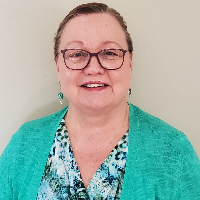
New Hampshire · 19 yrs exp
Dr. Susan Murati LMHC LCMHC - Stress and anxiety
Stress, Anxiety · Family · Trauma and abuse · Self esteem · +12 more
Read profile
New Hampshire · 15 yrs exp
Licensed social worker - stress and relationships
Stress, Anxiety · Relationship · Family · Grief · +10 more
Read profile
New Hampshire · 11 yrs exp
Licensed counselor - Anxiety and addictions
Stress, Anxiety · Addictions · Self esteem · Depression · +7 more
Read profile
New Hampshire · 4 yrs exp
LCSW in New Hampshire - Addictions and Trauma
Addictions · Trauma and abuse · Grief · Self esteem · +1 more
Read profile
New Hampshire · 18 yrs exp
LCSW - Anxiety and relationship concerns
Stress, Anxiety · Relationship · Family · Grief · +11 more
Read profile
New Hampshire · 30 yrs exp
Licensed counselor - Addictions and life changes
Addictions · Career · Coping with life changes · Compassion fatigue · +5 more
Read profile
New Hampshire · 30 yrs exp
Licensed counselor - mood and anxiety care
Stress, Anxiety · Trauma and abuse · Self esteem · Bipolar · +11 more
Read profile
New Hampshire · 10 yrs exp
LCMHC - Stress and Anxiety support
Stress, Anxiety · Family · Trauma and abuse · Depression · +11 more
Read profile
New Hampshire · 30 yrs exp
LMHC in New Hampshire - Stress and Addictions
Stress, Anxiety · Addictions · Self esteem · Depression · +8 more
Read profile
New Hampshire · 45 yrs exp
LCMHC - Stress and Anxiety focus
Stress, Anxiety · Trauma and abuse · Depression · ADHD · +11 more
Read profile
New Hampshire · 6 yrs exp
LICSW LCSW - Trauma and parenting focus
Family · Trauma and abuse · Parenting · Self esteem · +6 more
Read profile
New Hampshire · 16 yrs exp
LMHC in New Hampshire - Stress and Anxiety
Stress, Anxiety · Trauma and abuse · Self esteem · Coping with life changes · +1 more
Read profile
New Hampshire · 10 yrs exp
LCSW - Grief and Parenting support
Grief · Parenting · Self esteem · Career · +1 more
Read profile
New Hampshire · 17 yrs exp
LCSW - Stress and relationship concerns
Stress, Anxiety · Relationship · Coping with life changes · Compassion fatigue · +6 more
Read profile
New Hampshire · 18 yrs exp
Licensed Clinical Mental Health Counselor - Anxiety and Trauma
Stress, Anxiety · Trauma and abuse · Self esteem
Read profile
New Hampshire · 5 yrs exp
LCMHC in New Hampshire - Anxiety and Relationships
Stress, Anxiety · Relationship · Family · Grief · +1 more
Read profileIf you live in New Hampshire or spend significant time here, you have access to a range of licensed clinicians who offer therapy services remotely. Online therapy in the state generally includes video sessions, phone sessions, and text-based messaging options offered by individual clinicians who list remote counseling among their methods. Because licensure is granted by the state, clinicians who practice with New Hampshire clients typically hold one of several state-issued licenses. You will find mental health professionals who list approaches such as cognitive-behavioral techniques, psychodynamic work, acceptance-based models, trauma-informed care, and modalities like EMDR among their approaches. Each clinician describes their areas of focus and the kinds of issues they address, allowing you to identify practitioners whose experience and orientation align with what you are seeking.
Opting for online therapy brings practical benefits that fit a variety of lifestyles and needs. You can reduce travel time and avoid weather-related commuting during New England winters, which can be especially helpful if you live in a rural part of the state. Remote sessions may make it easier to schedule appointments around work, school, or family commitments. Online therapy also expands your choices beyond your immediate town, letting you connect with clinicians who list particular specialties or speak languages you prefer. For many people, the convenience of meeting from home or another comfortable setting helps maintain consistency in care. You may also find that online formats encourage straightforward communication if you prefer typed messages between sessions. While online therapy is not appropriate for all situations, it can be an effective and practical option for addressing mood concerns, stress, relationship challenges, and personal growth goals when you pair it with a licensed clinician who fits your needs.
Licensed clinicians who offer online services in New Hampshire work with a broad range of concerns. Many list experience supporting people dealing with anxiety, depression, and stress related to work or caregiving. Others highlight family and relationship work, which can include couples counseling, parenting support, and communication-focused interventions. Life transitions such as relocation, career change, or grief and loss are also common topics brought into online sessions. Some clinicians list trauma-informed approaches and mention modalities such as EMDR among their approaches, which can be part of trauma-related care. You will also find therapists who focus on substance-related concerns, behavioral health integration, and support for chronic health challenges. If you have needs related to adolescent mental health, adjustment during college, or eldercare stress, you can search for clinicians who indicate experience with those populations. Each profile typically describes the clinician's preferred methods and populations, helping you match your situation with an appropriate approach.
Verifying licensure is an important step before beginning remote therapy. Start by looking for the license type and license number on a clinician's profile. In New Hampshire, mental health licenses are issued by state boards. To confirm a license, use the state's license lookup tools or the relevant board's online search. Search for the New Hampshire licensing portal and enter the clinician's name or license number to view current status, expiration date, and any public disciplinary records. If the clinician's profile lists a professional title such as Licensed Clinical Social Worker, Licensed Professional Counselor, Licensed Marriage and Family Therapist, or psychologist, verify that exact title against what appears in the state database. If you cannot find a record online or if something looks unclear, you can contact the appropriate licensing board by phone or email and ask how to interpret the record. Keep a note of the date you checked licensure for your records. Taking these steps helps ensure that the clinician holds state-recognized credentials and that you understand the regulatory framework that applies to their practice.
Getting started with an online therapist is a step-by-step process you can approach thoughtfully. Begin by reflecting on what you want to address in therapy and what kind of approach feels most helpful to you. Use the directory to filter profiles by the issues you care about, the approaches clinicians list, and any languages offered. Once you find a few profiles that feel like a good fit, review each clinician's description for information on their approach, population focus, and the types of services they provide. Reach out via the contact method listed on the profile to ask about their process for new clients, what to expect in an initial conversation, and any logistical details such as session length and fee structure. During your initial conversation, you can discuss how the clinician structures remote sessions and what platform or methods they use for video or phone meetings. It is helpful to ask how they handle emergency concerns and what resources they recommend if you need immediate in-person support. Approaching the first few steps with clear questions will help you feel more confident about the clinical and practical aspects of remote care.
Choosing a therapist is a personal decision that depends on the match between your needs and a clinician's approach and experience. Start by identifying what matters most to you - whether it is a clinician who lists a particular modality among their approaches, someone with a background in family or adolescent work, or a practitioner who speaks your preferred language. Read profile descriptions to understand how a clinician frames their work and look for language that resonates with your goals. Consider reaching out to more than one clinician to get a sense of differences in tone and approach during brief introductory conversations. Pay attention to how comfortable you feel discussing your concerns with each person, and notice whether the clinician asks questions that help you think about progress and goals. Practical considerations such as session length, general fee range, and the clinician's approach to coordinating care with other providers can also influence your choice. If you have specific preferences - for example, a clinician who lists relational work or trauma-informed methods - look for those phrases in profiles, understanding that listing an approach indicates it is part of the clinician's practice rather than a formal certification. Over time, many people find that a clear, open initial conversation about goals and expectations gives the best indication of whether a particular therapist will be a good fit.
When you search for online therapy in New Hampshire, take time to read profiles carefully and verify licensure using state resources. Thinking through what you need from therapy and preparing questions for an initial conversation will help you make an informed decision. The convenience of remote sessions can be balanced with careful attention to fit, approach, and licensing to make sure your experience is constructive. If you need further guidance, consider reaching out to community mental health resources or statewide referral services that can offer additional direction based on your circumstances. Taking that first step can open a path toward the support you want and deserve.
Addictions
4641 therapists
ADHD
4096 therapists
Anger
5854 therapists
Bipolar
3899 therapists
Depression
8028 therapists
Grief
6566 therapists
Guilt and Shame
5491 therapists
Isolation / Loneliness
5015 therapists
Mood Disorders
4157 therapists
OCD
2015 therapists
Panic Disorder and Panic Attacks
3550 therapists
Phobias
1439 therapists
Post-Traumatic Stress
4475 therapists
Self Esteem
7944 therapists
Sleeping Disorders
2287 therapists
Social Anxiety and Phobia
3922 therapists
Stress & Anxiety
8652 therapists
Trauma and Abuse
6823 therapists
Attachment Issues
3730 therapists
Career
5073 therapists
Caregiver Issues and Stress
4037 therapists
Communication Problems
6152 therapists
Coping with Life Changes
7511 therapists
Divorce
4069 therapists
Family
6489 therapists
Family of Origin Issues
2797 therapists
Life Purpose
5655 therapists
Parenting
5446 therapists
Relationship
7361 therapists
Self-Love
5654 therapists
Workplace Issues
4230 therapists